In a cramped working-class neighborhood of New Delhi, Shehnaz Bano, 38, lives with her two teenage sons in a single room. She stitches pieces of leather jackets, earning just 100 rupees (about $1) per piece. "If I worked in a factory, I would be paid more," Bano says.
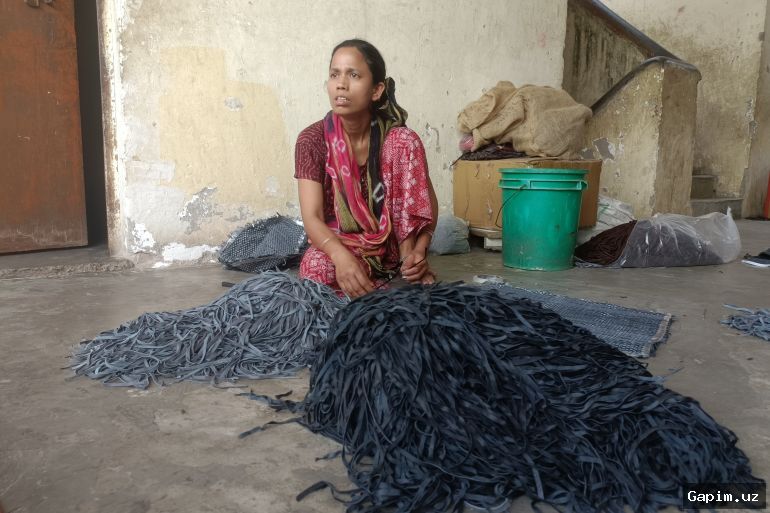
Bano is one of nearly 260 million home-based workers (HBWs) worldwide, 57% of whom are women, according to WIEGO. HBWs are part of the informal economy, characterized by low wages, lack of social security, and irregular hours.
On June 20, 1996, the International Labour Organization (ILO) adopted Convention 177, recognizing HBWs as equal to traditional wage earners. However, only 13 countries have ratified it, none in South Asia, despite the region hosting the largest concentration of HBWs.
In Kapashera, Sangeeta Devi, 30, works in an 8x8-foot room shared with her family of six. She earns $1 for every 100 garment pieces she finishes. "I cannot go out to work because I have to take care of my children," she says.
Shalini Sinha of WIEGO highlights the "continued invisibility" of female HBWs. "Home is still seen as a place of habitat, not work," she says. Deepa Bharathi of the ILO adds that women's work is often viewed as an extension of household responsibilities.
Renana Jhabvala, who was present when Convention 177 was adopted, calls it "a weapon, a tool of change." But activists say progress has been slow, with India's 2020 Social Security Code yet to be effectively implemented.
Labour economist Alakh N Sharma points to a "bias in the system" that excludes women's work from official statistics. Many workers themselves do not consider their labor as "real work."
Source: www.aljazeera.com