Germany is debating the abolition of Section 188 of its Criminal Code, which makes it a crime to insult politicians and carries a maximum penalty of three years in prison. The law, toughened in 2021 after the murder of a local politician, has led to a series of controversial prosecutions.
In 2024, police searched the home of a 64-year-old pensioner who called then-Vice Chancellor Robert Habeck a "Schwachkopf" (idiot) on social media. Though the search was justified under Section 188, the man had also used banned far-right symbols. Habeck pressed charges, fueling criticism of the law.
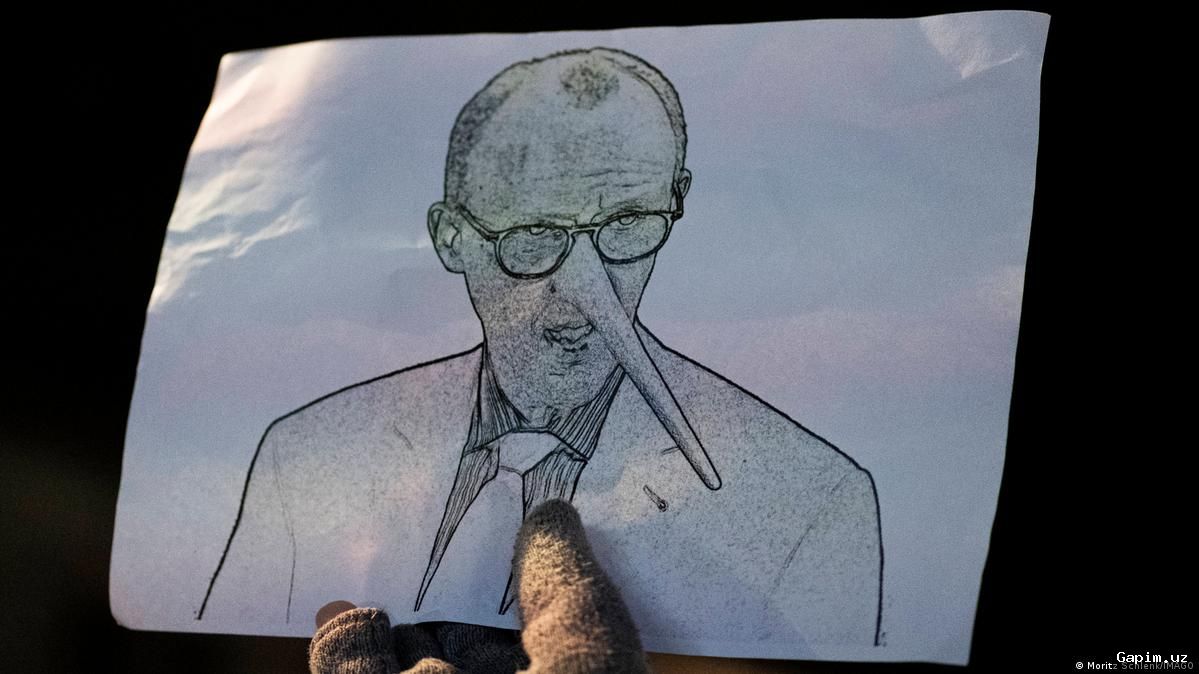
Critics argue the law is selectively applied and stifles free speech. In one case, a Facebook user was fined €2,000 for calling Chancellor Friedrich Merz "Lügenfritz" (lying Fritz). In another, prosecutors declined to charge someone who called Merz "Pinocchio," citing constitutional protections.
Jens Spahn, parliamentary group leader of the Christian Democratic Union, said the law was intended to protect local politicians but has created the impression that "the powerful have created a special law for themselves." Green MEP Erik Marquardt added that politicians don't need special protection: "If you get insulted, you can decide whether to press charges."
However, Social Democrat Carmen Wegge argues the law is necessary to protect the 200,000 unpaid local politicians who face increasing online abuse. A Forsa poll found 58% of Germans support keeping Section 188.
Lawyer Isaak Schumann warns the law endangers democratic freedoms, noting that even if repealed, general defamation laws (Sections 185-187) would still apply. Germany's justice ministers have proposed limiting Section 188 to local politicians only, but the final decision rests with the Bundestag.
Source: www.dw.com