A 30-point plan to reform Germany's pension system has drawn praise and criticism in almost equal measure. Centrist politicians have called it a good compromise, while opposition parties on the left and right are unhappy.
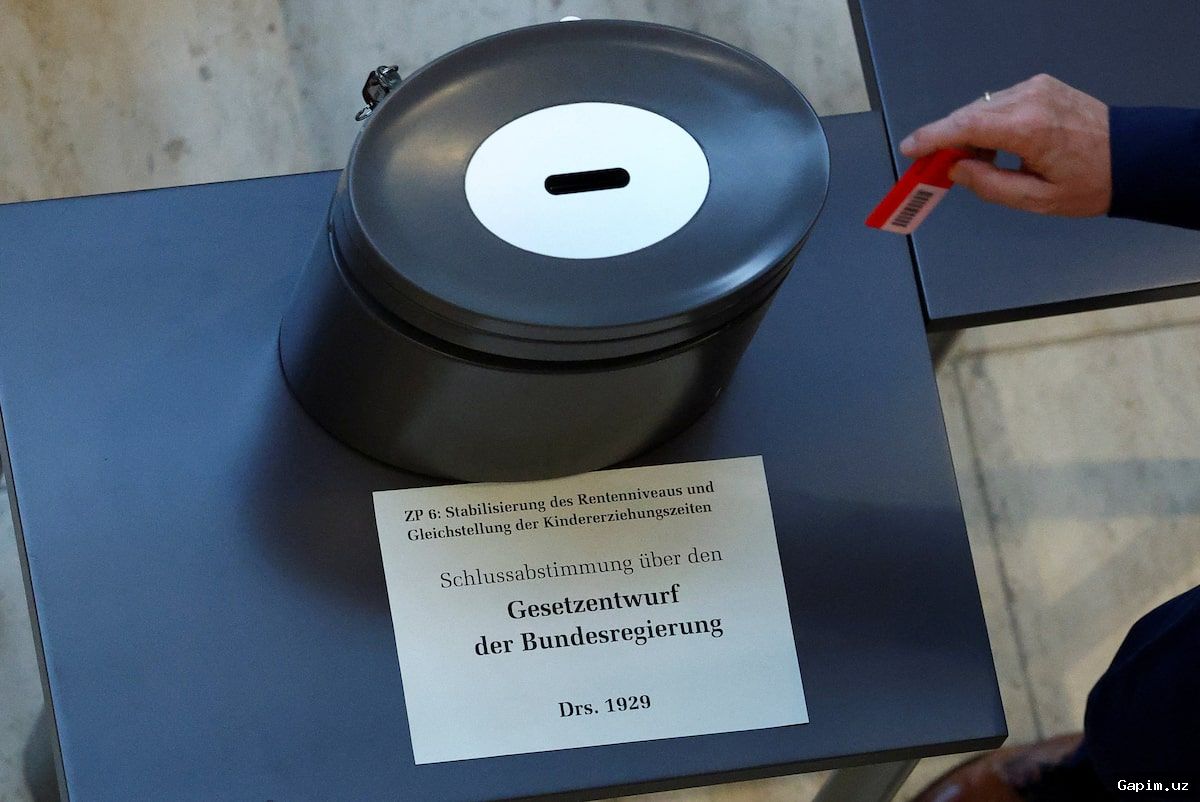
The proposals, put forward by a specially-convened commission of experts and politicians, have met with praise from conservative political groups and outcry from opposition parties and trade unions. The 13-person commission's detailed report is due to be officially released on Tuesday, but the main proposals were leaked to the German media this weekend, drawing a flurry of reactions.
Speaking at a federal government open day event in Berlin on Sunday, Chancellor Friedrich Merz insisted that reforms were the only way to ensure that Germany's expensive pension system would be affordable in the future. Federal Labor Minister Bärbel Bas also defended the need for reforms, stating: "We are now putting measures in place for the younger generation so that they will have higher pensions."
The proposals include linking the legal retirement age to life expectancy, which would see it rise to 67.5 by 2041, 68 by 2051, and 70 by 2091. This has drawn criticism from left-wing voices, with Philipp Türmer, head of the Jusos youth organization, arguing it would have been fairer to link the retirement age to contribution years.
Another proposal would cut the option of early retirement at 63 without losing benefits for those with 45 years of contributions. This was particularly criticized by industrial trade unions, with IG Metall head Christiane Benner saying it "completely ignored" the life and work situations of industrial workers.
Some 0.5% (rising to 2%) of workers' pension contributions are to be invested in capital markets, inspired by the Swedish model. The commission also proposes reducing the number of civil servants and aligning their pension system with the general one. Financial expert Jan Scharpenberg cautioned that judgment should be reserved until the full report is published, but noted that "in principle, it goes in the right direction."
Source: www.dw.com