BETHLEHEM, Occupied West Bank – In the narrow alleyways of the Dheisheh refugee camp, three children debate which of their encounters with the Israeli military is worth telling, and who gets to tell it.
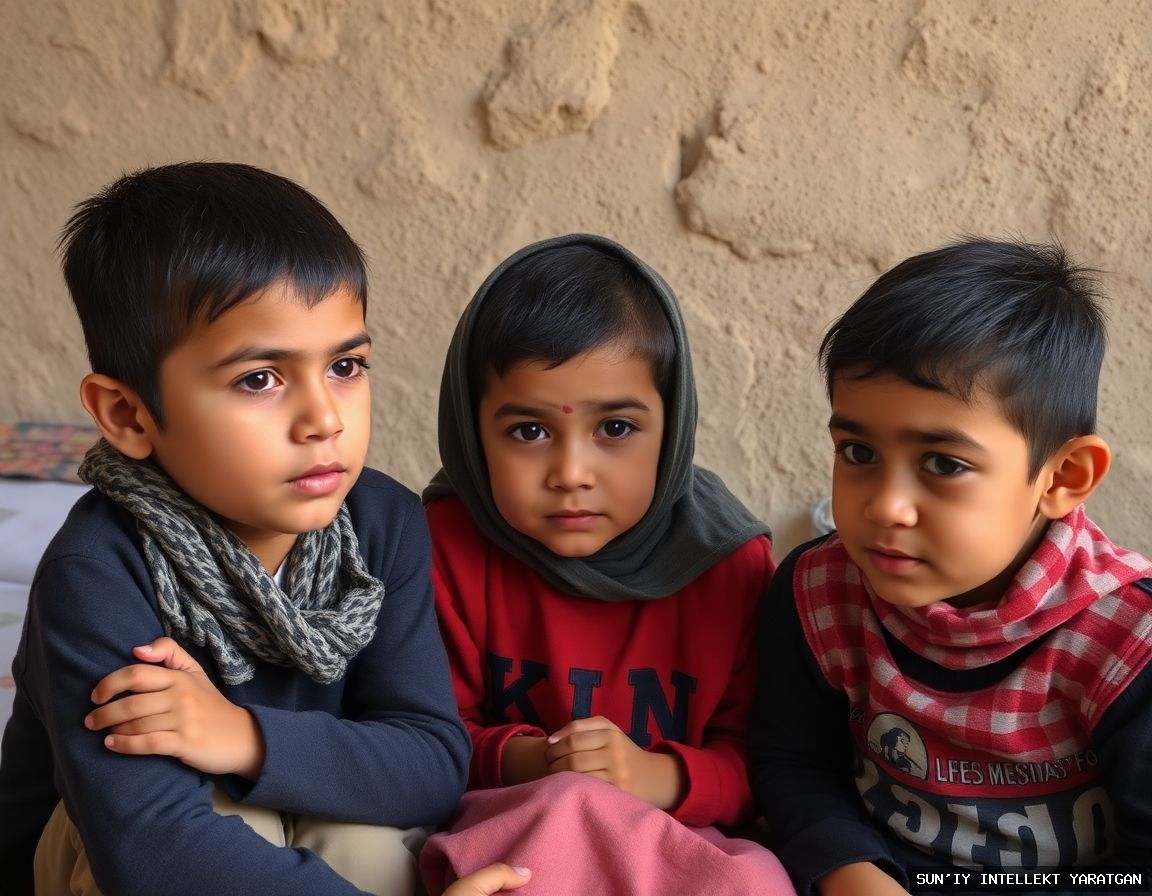
Yanal, 14, speaks three languages and insists on telling his story in English. “Life in the camp is complex,” he says, because there is nowhere to run when the army comes. He recalls a football match interrupted by soldiers entering the field, with no way out.
Mustafa Abu Aliyah, 13, describes a raid he ran into on his way to his grandfather’s house. The Israeli army fired live rounds and tear gas, he says. He cannot remember his first encounter with soldiers, “but I definitely saw them when I was little, because they are always coming here”.
His sister Diyar, 12, was mid-piano lesson the last time the army came through. “Whenever the army comes, there will be tear gas. People will be beaten. There’s usually someone injured or killed.” She compares her life to children in other countries who live in safety.
In the first nine months of 2025 alone, Israeli forces carried out nearly 7,500 raids across the occupied West Bank, a 37 percent increase compared with the same period in 2024.
A UN report released Tuesday, titled “The essence of childhood has been destroyed”, found that Israeli forces have killed at least 20,179 Palestinian children and wounded more than 44,000 since October 2023. It states that the deliberate targeting of children in Gaza constitutes part of the genocide.
In the West Bank, the report documents a sharp rise in settler violence and killings by Israeli forces, including a two-year-old girl shot dead in January 2025. Children are held in detention without a lawyer or notification to parents. 85 schools are under demolition or stop-work orders.
Psychologist Lemis Farraj says children live in a state of continuous traumatic stress, distinct from PTSD, because there is no single event to recover from. The danger comes not only from the raid itself, but from the fear of expected future raids.
Five-year-old Khour Hammad, whose parents are both in prison, recalls the night the army came for her mother. She thought her father had returned, but found soldiers inside the house. “I want the whole world to listen and see my picture,” Khour says, “and get my mom and dad out of prison.”
Source: www.aljazeera.com