Among the many mysteries surrounding North Korean leader Kim Jong Un, the secrecy about his mother stands out. In his 15 years of rule, he has never once publicly mentioned her by name.
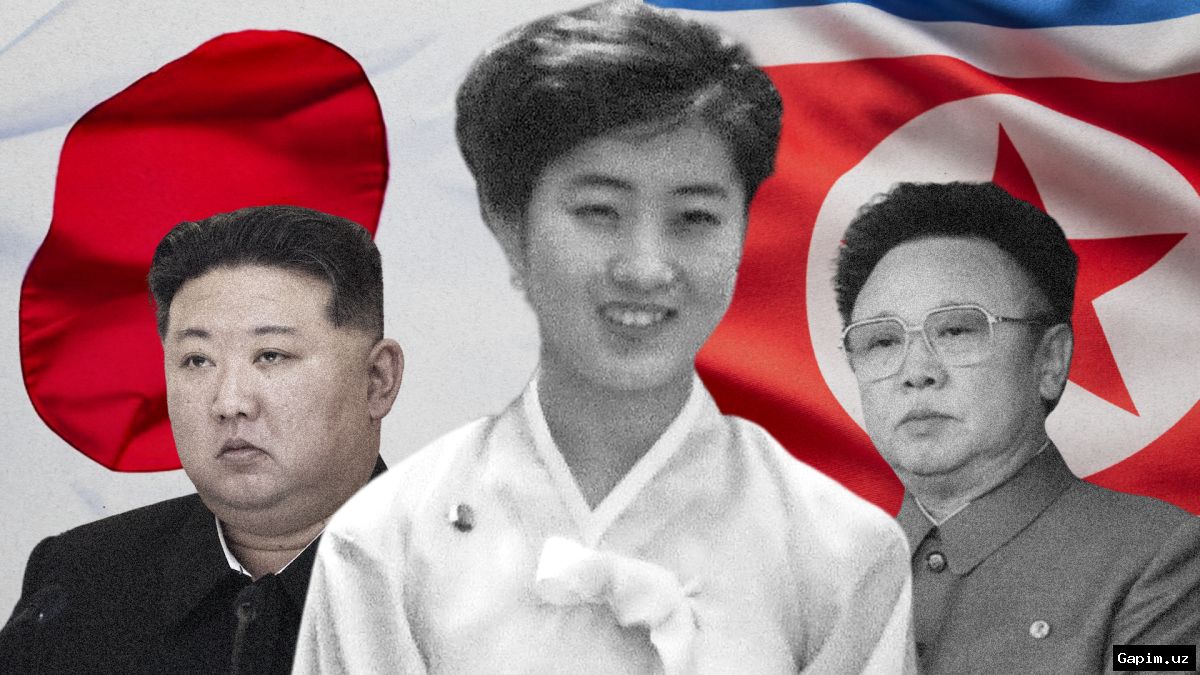
The legitimacy of Kim's dictatorship rests heavily on his "Mount Paektu" bloodline — a lineage tied to the mythical founder of the Korean people. In a country that prides itself on hereditary purity, the identity of Kim's mother is not just a secret but a threat to the regime itself.
Ko Yong Hui was born in Osaka, Japan, in 1952 to parents originally from Jeju Island. As residents of Japan, her family were "Zainichi Koreans" — immigrants during Japan's colonial rule. When she was about 10, her family emigrated to North Korea, where they became "jjaepo," a derogatory term for those considered contaminated by foreign ideologies.
North Korean society is deeply hierarchical, with a caste-like system known as songbun. The jjaepo belong to the "wavering class," subjected to heavy surveillance and often denied access to good universities or jobs.
Ko caught the attention of Kim Jong Il as a member of the elite Mansudae Art Troupe, due to her natural beauty and dancing skills. Kim reportedly fell passionately in love with her, and they had three children, though their union was never officially recognized.
Kim Jong Il's official wife, Kim Young Sook, bore only daughters, so Ko's second son, Kim Jong Un, became the heir. Ko acted as de facto first lady, accompanying her husband on inspections and influencing policy.
Ko died of breast cancer in Paris in 2004, with no mention in North Korean state media.
The secrecy around Kim's mother is believed to be why his birthday has not been declared a national holiday, unlike his father's and grandfather's. Analysts say revealing her origins could "shake his legitimacy" and have "the impact of a nuclear bomb on North Korean society."
Source: www.bbc.co.uk