The US Supreme Court has ruled that states may ban transgender women from competing in female school and college sports, a decision that bolsters similar laws in more than two dozen states.
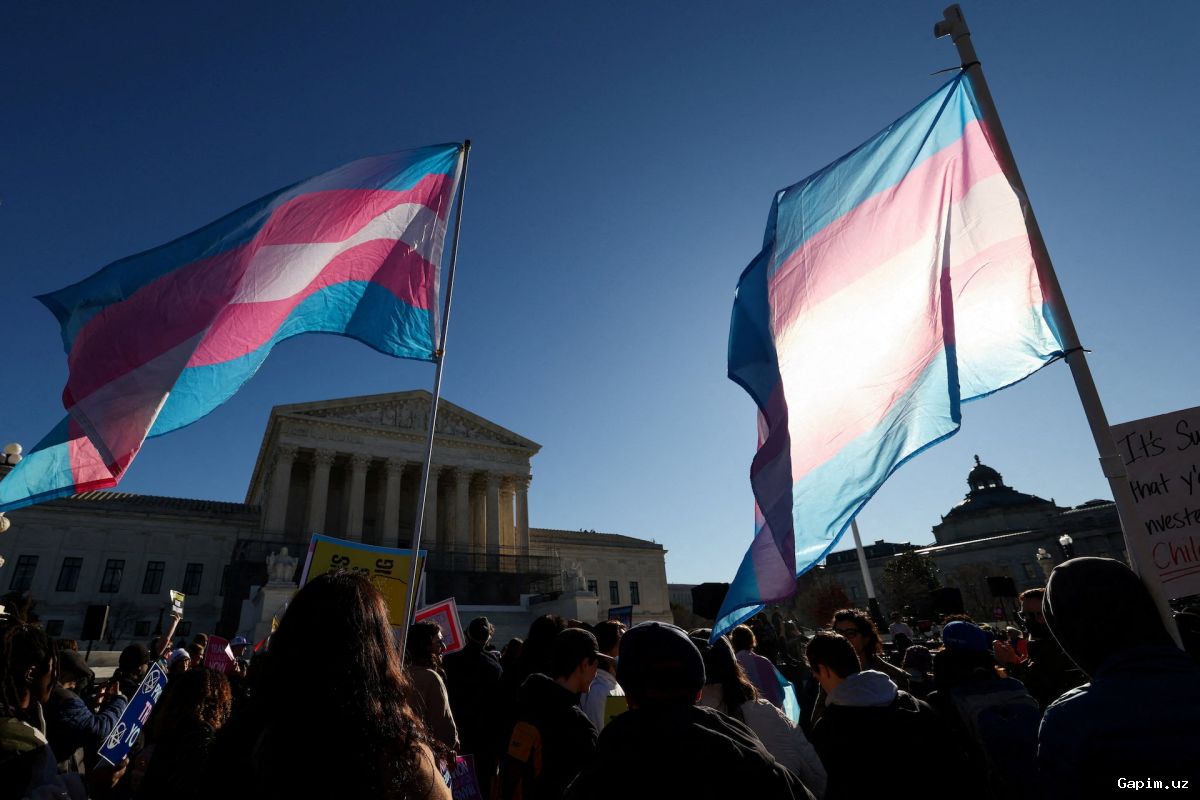
The court considered cases from students in Idaho and West Virginia who challenged bans on participation. Both states enacted laws requiring public school and college sports teams to compete according to sex recorded at birth.
One challenge argues the ban violates equal protection rights under the US Constitution; the other claims it contradicts federal civil rights laws.
Since Idaho passed the first such ban in 2020, over 25 states have enacted similar restrictions. Under these laws, a transgender woman—a biological male who identifies as a woman—is barred from competing in female sports at educational institutions.
Lindsay Hecox, a long-distance runner, filed a legal challenge against the Idaho law shortly after its enactment. She was granted an injunction by both a district court and an appeals court.
State lawmaker Barbara Ehardt, who introduced the Idaho law, said at the time: “Boys and men will not be able to take the place of girls and women in sports because it's not fair.”
However, a three-judge appeals panel found the Idaho law violated constitutional rights, stating the state failed to provide evidence that the ban protects “sex equality and opportunity for women athletes.”
President Donald Trump made the issue of transgender athletes in women's sports a regular focus of his 2024 election campaign. Last year, he signed an executive order aimed at banning transgender women from competing on female sports teams.
Following that order, the NCAA, the governing body for US college sports, banned transgender women from competing in women's sports.
Source: www.bbc.co.uk