The year 2026 is shaping up to be a notable one for earthquakes. So far, 10 quakes of magnitude 7 or higher have been recorded worldwide, which is below the annual average of about 15. Yet the devastation caused by some of these events has been striking, highlighting that a quake's magnitude is not the sole determinant of its impact.
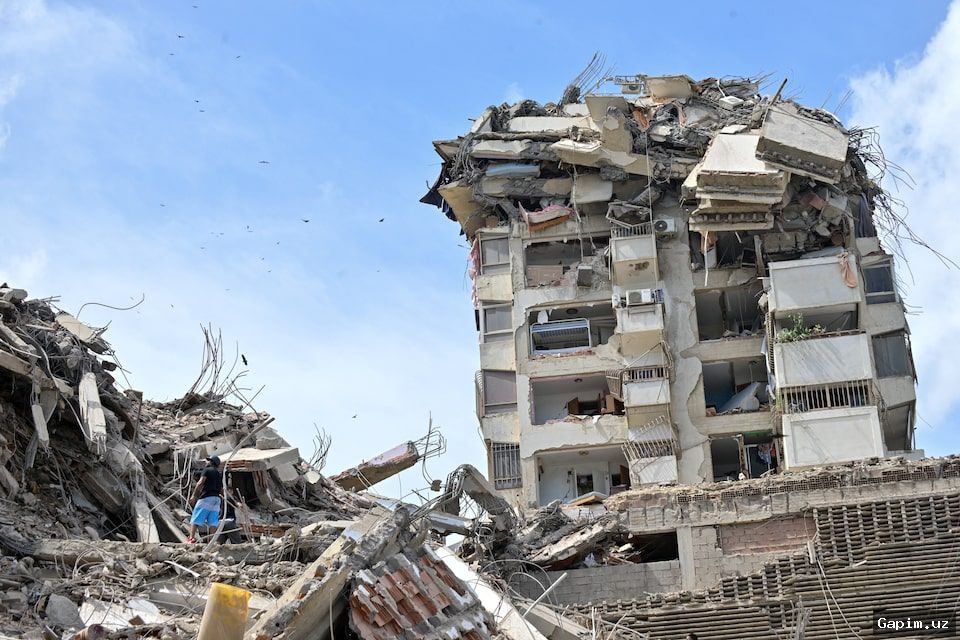
On June 24, Venezuela was hit by the deadliest earthquake of the year. A magnitude 7.2 tremor was followed just 39 seconds later by an even stronger one of magnitude 7.5. The northern part of the country and the capital, Caracas, were the worst affected. Official figures put the death toll at over 6,300. A satellite-based assessment by Oregon State University researchers provisionally concluded that more than 58,000 buildings may have been damaged or destroyed, dealing a severe blow to the impoverished nation's infrastructure.
The strongest quake of 2026 so far struck on June 8 off the southern coast of the Philippine island of Mindanao, with a magnitude of 7.8. Occurring at a depth of about 57 kilometers, it was felt across much of the island. At least 107 people died. The relatively lower death toll compared to Venezuela, despite the higher magnitude, underscores that factors like building standards and preparedness play a crucial role in determining the scale of a disaster.
On August 10, a magnitude 7.4 earthquake shook western Colombia, with its epicenter in the Choco region near San Jose del Palmar. Despite a depth of 100 kilometers, the damage was immense. More than 250 people are estimated to have died. Landslides and damaged roads are hampering rescue efforts and the delivery of supplies to remote areas, making this the most consequential quake in Latin America after Venezuela's.
In contrast, a magnitude 7.5 earthquake near the Vava'u island group in Tonga on March 24 received little media attention because it caused no severe damage or casualties. The quake occurred at an unusually deep 230 kilometers, weakening the tremors by the time they reached the surface. No deaths or infrastructure damage have been reported.
On April 20, an undersea earthquake off Japan's northeastern coast, recorded at magnitude 7.4 by the US Geological Survey, revived memories of the 2011 disaster. The Sanriku Coast area in Iwate prefecture, which suffered catastrophic earthquake and tsunami damage 15 years ago, was spared this time. A tsunami warning was issued, but no major waves materialized, though the event served as a reminder of Japan's vulnerability along the Pacific Ring of Fire.
Even a relatively moderate earthquake in Afghanistan's Badakhshan province on April 3, with a magnitude of just 5.8, killed at least 12 people. This underscores that in poorer countries, even slight tremors can have deadly consequences due to inadequate construction, difficult access to remote areas, and underdeveloped disaster response protocols. The varying impacts of these earthquakes illustrate that vulnerability, not just magnitude, determines the scale of a catastrophe.
Source: www.dw.com