On August 13, President Shavkat Mirziyoyev was briefed on the preparations for the sixth open dialogue with entrepreneurs of Uzbekistan. The meeting reviewed the activities of the republican headquarters, the appeals received, and the results of a comprehensive survey.
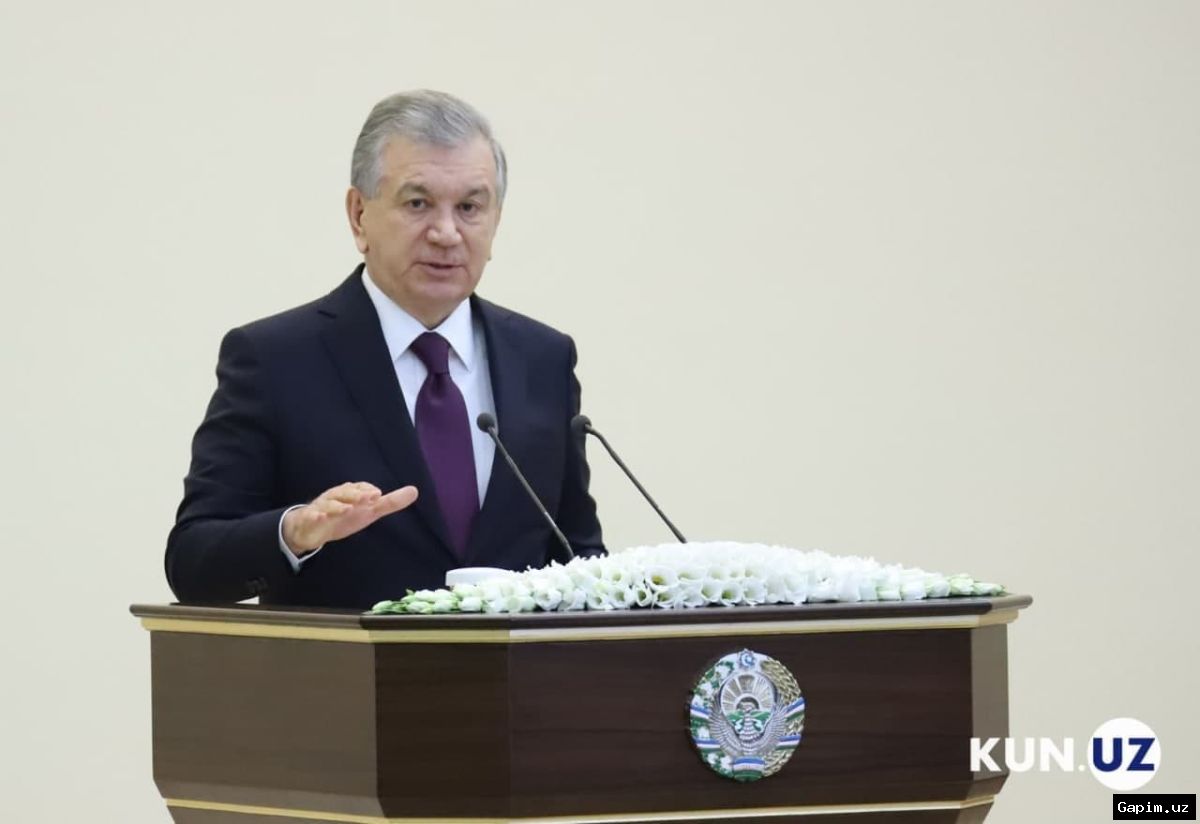
Since May 15, a republican headquarters has been operating with the participation of over 50 ministries and agencies. Through the call center and official bots, nearly 6,000 appeals from entrepreneurs have been received. More than 4,200 of them have been resolved positively, while about 1,800 are still under review. Responsible organizations have held over 750 meetings with the participation of more than 8,800 entrepreneurs.
The Business Ombudsman and the Chamber of Commerce and Industry also organized over 130 meetings, attended by more than 5,700 entrepreneurs who raised about 1,500 issues. Proposals are being prepared to address systemic problems and amend legislation in cooperation with ministries and agencies.
As part of the preparations, a survey was conducted among 5,072 entrepreneurs from all regions. 93% of participants were representatives of local private enterprises. The study covered trade, services, industry, construction, and agriculture. The survey addressed issues related to enterprise efficiency, investments, infrastructure, tax administration, foreign trade, and the judicial sphere.
The analysis revealed that there are still significant opportunities for increasing labor productivity and reducing production costs. Enterprises that introduced digital platforms, artificial intelligence, energy-saving technologies, new products, and modern production methods showed higher sales volumes, competitiveness, wages, and investment indicators.
In particular, enterprises that implemented at least three measures to improve efficiency were 4.1 times more likely to reduce production costs and 2.1 times more likely to see faster wage growth. However, only 11.6% of enterprises applied efficiency measures in three or more areas, while 28.5% took no measures at all.
51% of enterprises have not introduced new products, services, or innovations, nor have they carried out modernization. In the past year, 40% of enterprises made no investments, and 29% have no plans to invest in the near future.
Entrepreneurs cited high interest rates on loans, low valuation of collateral, a large number of required documents, and lengthy loan processing times as the main barriers to investment. According to the survey, 38% of enterprises took no measures to reduce the cost of products and services.
53% of companies saw an increase in production costs. Entrepreneurs attributed this to rising raw material prices, as well as increasing energy and logistics costs. Furthermore, 43% of enterprises took no energy-saving measures, and 49% do not use renewable energy sources.
Infrastructure provision remains one of the main problems for entrepreneurs. They noted frequent interruptions in electricity and gas supply, low voltage and gas pressure, as well as issues related to limits and tariffs.
The meeting noted that despite reforms in tax administration, entrepreneurs still face problems during inspections and VAT refunds. At the same time, 94% of respondents said that the stability rating had a positive impact on their activities.
22.3% of surveyed enterprises are engaged in foreign trade. Entrepreneurs identified finding foreign buyers, product certification, logistics, access to financial instruments, and customs procedures as the main export barriers. They also mentioned insufficient information about foreign markets and marketing skills.
In the judicial sphere, entrepreneurs positively assessed access to qualified legal assistance and transparency of public procurement. However, 73% of respondents said that bureaucratic procedures in enforcement proceedings negatively affect business.
The President instructed to conduct an in-depth analysis of appeals and survey results by regions and sectors, and to develop concrete solutions to systemic problems hindering entrepreneurship. Priorities include increasing enterprise efficiency, introducing innovations and energy-saving technologies, solving credit and infrastructure problems, improving tax administration, supporting exporters, and strengthening legal protection for businesses.
It was instructed that for each issue raised at the open dialogue, specific solutions, implementation mechanisms, responsible persons, and deadlines be defined. According to a Central Bank survey for Q2 2026, 64% of entrepreneurs said business conditions have improved, and 82% expect economic improvement in the medium term. However, enterprises still cite interruptions in gas and electricity supply, insufficient demand, rising fuel prices, and logistics disruptions as major constraints.
Source: www.gazeta.uz