Algerians head to the polls on July 2 to elect the 407 members of the People's National Assembly in a parliamentary election widely seen as a test of public engagement and political change more than seven years after the 2019 Hirak protest movement.
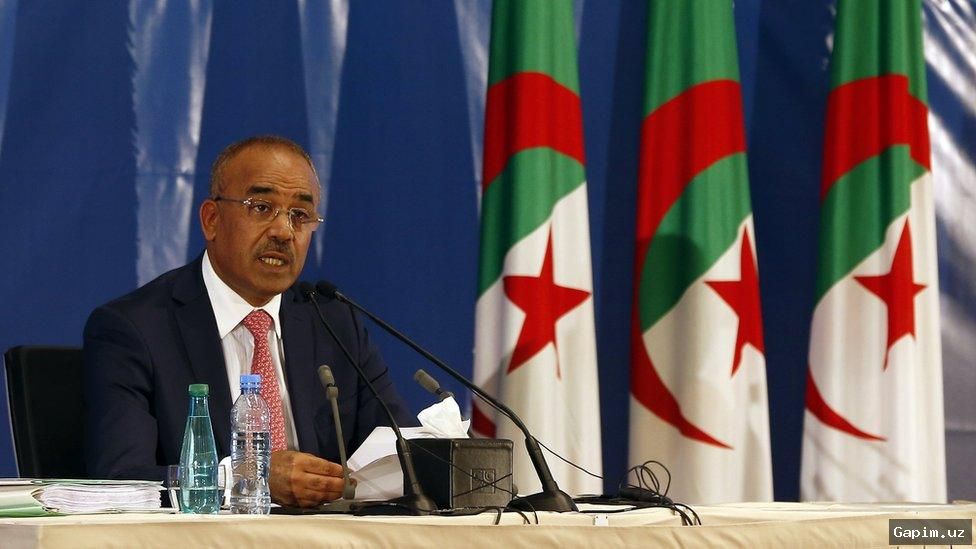
Over 24.7 million registered voters, including about 854,000 living abroad, are eligible to vote, according to the Independent National Authority of Elections (ANIE). Turnout is expected to be low, with continued dominance of established political forces and persistent questions over whether reforms since the mass protests have meaningfully altered Algeria's political system.
President Abdelmadjid Tebboune has framed the vote as part of building a 'new Algeria' after the 2019 uprising, but critics argue executive power remains dominant, with parliament playing a limited legislative role and opposition activity constrained by legal and political pressure. Electoral authorities say hundreds of candidates and party lists were rejected during nomination reviews.
Several activists linked to the Hirak movement have faced prosecution or restrictions since 2019, including Karim Tabbou, a prominent opposition figure repeatedly arrested. Tebboune has rejected such criticism, arguing reforms have strengthened institutions and preserved stability. Human rights groups have raised concerns over restrictions on opposition activity, independent media and civil society.
Algerians will vote under an open-list proportional representation system. The governing National Liberation Front (FLN) and its ally, the National Democratic Rally (RND), face competition from opposition parties including the Movement of Society for Peace (MSP), as well as nationalist, Islamist and independent lists. Turnout in the 2021 election fell to just 23 percent.
Economic concerns are expected to feature prominently, with campaigns focusing on jobs, purchasing power, housing and investment. The government has highlighted spending programmes funded largely by hydrocarbon revenues, but inflationary pressures and uneven job creation continue to shape public sentiment, particularly among younger voters. Fiscal reliance on energy revenues leaves state spending vulnerable to fluctuations in global oil and gas prices.
Source: www.aljazeera.com