At the Moscow offices of the newspaper Novaya Gazeta, the corridors are silent. There is an overwhelming sense of emptiness. "There is no newspaper anymore," former chief editor Dmitry Muratov tells me. He co-founded Novaya Gazeta more than thirty years ago, and it became the flagship for hard-hitting independent journalism in Russia, shining a light on human rights abuses and high-level corruption.
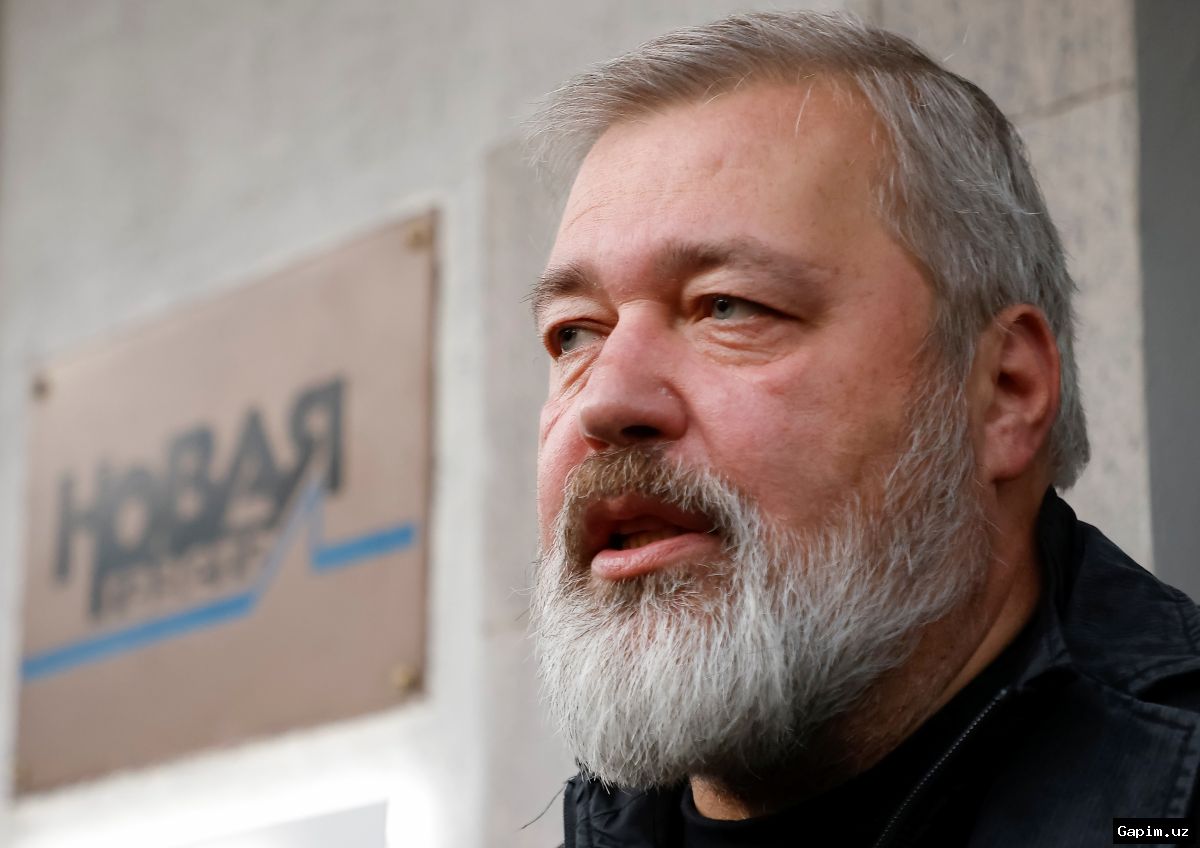
In 2021, Muratov was jointly awarded the Nobel Peace Prize for his efforts "to safeguard freedom of expression." The Nobel Committee noted that "six of [Novaya Gazeta's] journalists have been killed, including Anna Politkovskaya who wrote revealing articles on the war in Chechnya." But that recognition did not protect the paper.
Muratov explains that Putin issued a decree nationalizing the newspaper's printing presses and revoking its registration. The newspaper retains an online presence, but the authorities have blocked access to its website, making it accessible only from abroad or via VPNs. This reflects the broader crackdown on free speech in Russia, which has accelerated since the Kremlin's full-scale invasion of Ukraine in 2022.
"Most opinion leaders have been declared 'foreign agents', 'extremists' or 'terrorists'. Several hundred," says Muratov. He estimates that at least 1,500 people are now in prison for speaking out against state policy since the start of the "special military operation" in Ukraine, three times more than during the harshest days of the KGB in the USSR.
Muratov dismisses Putin's predictions of victory: "There will never be 'victory', because what has been going on for nearly five years—no matter how it ends—can no longer be considered a victory. It cannot be a victory when two Slavic nations have ripped a million people to shreds, or more than a million." He believes Ukraine can be destroyed but not conquered.
Muratov does not rule out the use of nuclear weapons by Putin. He claims that since the beginning of the year, the need to use nuclear weapons has been mentioned more than 500 times, including on state TV. He questions Putin's security narrative: "Tell me, has security increased? With Ukrainian drones attacking warehouses of Wildberries, with the petrol crisis, the disruption to mobile internet, the political prisoners? Has security increased, or not?"
Muratov believes Putin retains a tight grip on power and dismisses talk of splits among the elite. He also criticizes the West: "Putin knows the true value of European leaders. On the one hand they talk about human rights, on the other they sign agreements on trading oil, gas, diamonds. He knows the true value of people who preached those values."
Muratov himself has been designated a 'foreign agent', but he prefers to highlight the plight of political prisoners. He shows photos of journalists Antonina Favorskaya, Konstantin Gabov, Sergey Karelin, and Artyom Kriger, jailed on extremism charges; city councillor Alexei Gorinov; and pianist Pavel Kushnir, who died in a pre-trial detention center during a hunger strike.
Despite the bleak picture, Muratov finds hope: "We live in a time when you stay quiet. But so many people support what we do. On the streets of Moscow, my colleagues and I hear only words of gratitude. They are spoken in a whisper. But what people think is very important." He notes that being a Nobel laureate does not provide protection, and suggests asking the authorities about it.
Source: www.bbc.co.uk