Ghanaian President John Dramani Mahama unveiled the National Ethics and Anti-Corruption Action Plan (NEACAP) at the University of Ghana in Accra, describing corruption as a 'national development challenge' that weakens institutions, deters investment, and erodes public trust. The five-year strategy replaces the previous NACAP, which was widely criticized for falling short due to inconsistent implementation.
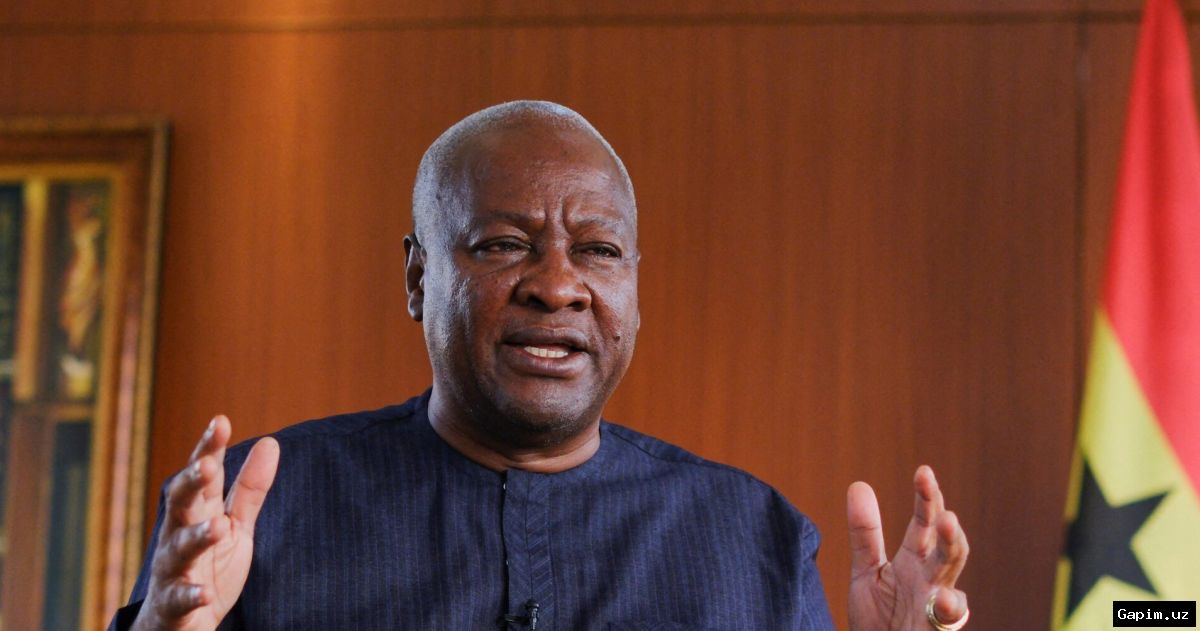
Mahama called for a collective effort involving government, civil society, the private sector, and citizens, stressing that the fight against corruption requires the participation of all Ghanaians. Ghana, often regarded as one of West Africa's most stable democracies, has seen corruption undermine public confidence, weaken public service delivery, and discourage investment.
According to Transparency International's 2025 Corruption Perceptions Index, Ghana scored 43 out of 100, ranking 76th globally—above the Sub-Saharan African average but trailing behind leaders like Seychelles, Cabo Verde, and Botswana. Transparency International Ghana says the country's performance has stagnated due to weak enforcement, political interference, and insufficient institutional reforms.
Mary Awelana Addah, Executive Director of Transparency International Ghana, noted that the problem is not a lack of laws but inconsistent enforcement. She pointed to the Auditor-General's 2024 report, which identified financial irregularities worth nearly €15 billion, leading to shortages of medicines and weak public infrastructure. 'We have the laws, but enforcement remains inconsistent. Powerful actors are always insulated from consequences,' she told DW.
Sulemana Braimah, Executive Director of the Media Foundation for West Africa, warned that the gap between investigative reporting and actual sanctions remains a critical challenge. DW correspondent Eric Mawuena Egbeta expressed cautious optimism, saying lessons have been learned from the previous plan, but broad sections of civil society do not yet have full confidence. 'When politicians are in opposition, they criticize corruption; when in power, the narrative changes,' he noted.
Governance analysts say the plan's success will depend on consistent enforcement of laws and independent oversight. Addah urged the government to ensure anti-corruption mechanisms operate completely independently. The plan, being a five-year strategy, allows for earlier evaluation compared to the previous ten-year plan, but skepticism remains until tangible results—such as prosecutions—are seen.
Source: www.dw.com