With just under five years remaining to achieve the UN's Sustainable Development Goals (SDGs) by 2030, a new report reveals significant shortfalls. One in ten people still live in extreme poverty, over two billion face moderate or severe food insecurity, and the number affected by climate-related disasters has more than doubled since 2015, according to data published by the United Nations.
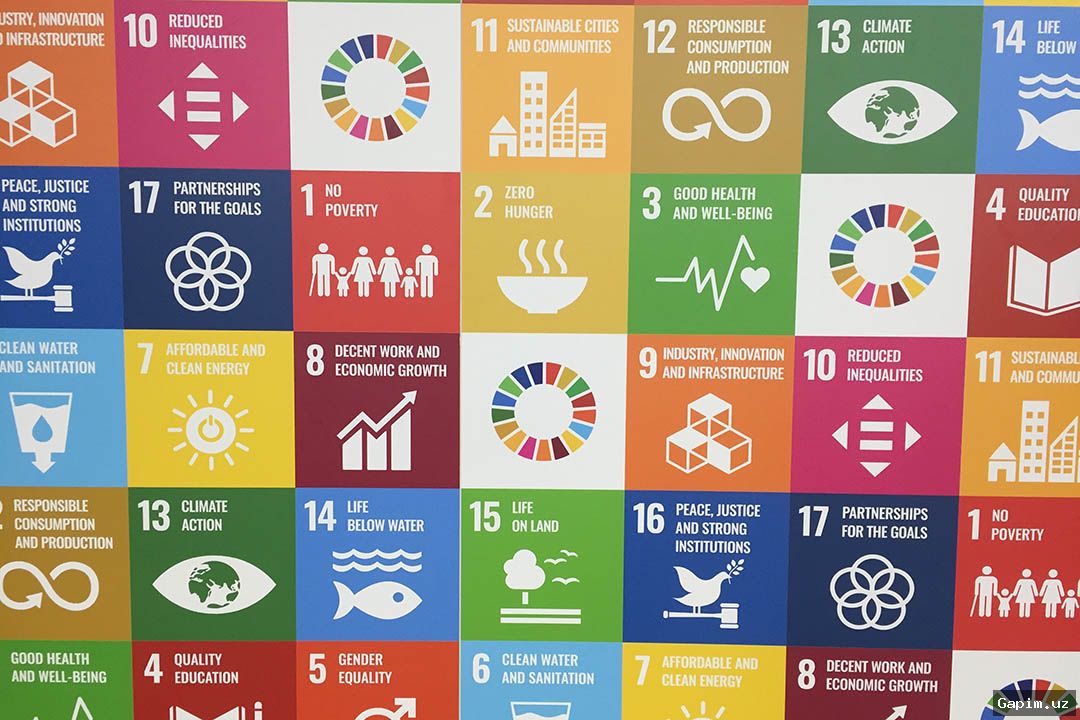
In 2015, the international community agreed to 17 goals and 169 targets to end poverty, fight inequality, and tackle climate change. While progress has been made in some areas—such as nearly one billion people gaining access to safely managed drinking water, a drop in new HIV infections and AIDS-related deaths, and electricity reaching 92% of the global population—many other areas are far off track. Nearly half the targets are advancing too slowly, and 15% have fallen below 2015 baselines.
Global extreme poverty is projected to reach 10% by 2026, just 3 percentage points below 2015 levels. About one in four urban residents live in slums or informal settlements. The risk of extinction is worsening across all species groups, and global temperatures reached 1.43°C above pre-industrial levels in 2025. The concentration of CO2 in Earth's atmosphere is at its highest for two million years.
UN Secretary-General António Guterres urged countries to step up as official development assistance plummeted by a record 23% in 2025. "Together, let us make a decisive final push to achieve the Sustainable Development Goals and build a healthy, prosperous future for all," he said. Progress has been hampered by surging violent conflict, undoing years of development in a few months. While the annual financing gap for SDGs in developing countries stands at around $4 trillion, global military spending has reached record highs.
The war in the Middle East has disrupted maritime traffic, blocking energy, fertilizer, and food corridors, which could spell severe long-term consequences for global food security, particularly in Africa and parts of Asia. Although global hunger slightly decreased in 2024, it was still higher than in 2015. Over 8% of the world's population experience chronic hunger, and more than two billion people lack adequate food at some point during the year.
Water stress remains severe in several regions. Ten percent of the world's population lives in countries with high or critical water stress levels. Nearly half of the world's countries have reported declining river flows, with Latin America, the Caribbean, and parts of Central and Southern Asia hit hardest. The years 2015-2025 were the hottest on record, and greenhouse gas emissions continue an upward trend, with 2024 marking a new record high.
The ocean, which absorbs around 90% of excess heat, reached the highest level on record for the ninth consecutive year. Warmer oceans mean melting ice caps, driving sea level rise and fueling tropical storms. While 92% of people now have access to electricity, over 650 million still go without. Projections suggest access will increase only half a percentage point by 2030. Renewable energy capacity reached a record high in 2024, but not at the scale needed.
The total number of people living in slums has surged to over one billion. "We need to act and accelerate," said Anaclaudia Rossbach, Executive Director of UN-Habitat. "We are living a global housing crisis," she added, warning that if housing and informal settlements are not addressed, all SDGs are at risk. The UN is urgently calling on countries to close the financing gap, accelerate the energy transition, and reinforce multilateral cooperation, stressing that choices made over the next four years are critical.
Source: www.dw.com