For nearly three years, Israel and its Western allies have claimed that Hamas's rule over Gaza was a principal obstacle to peace. Now, Hamas has announced the dissolution of its governing body and readiness to transfer civilian administration to the US-backed Palestinian National Committee.
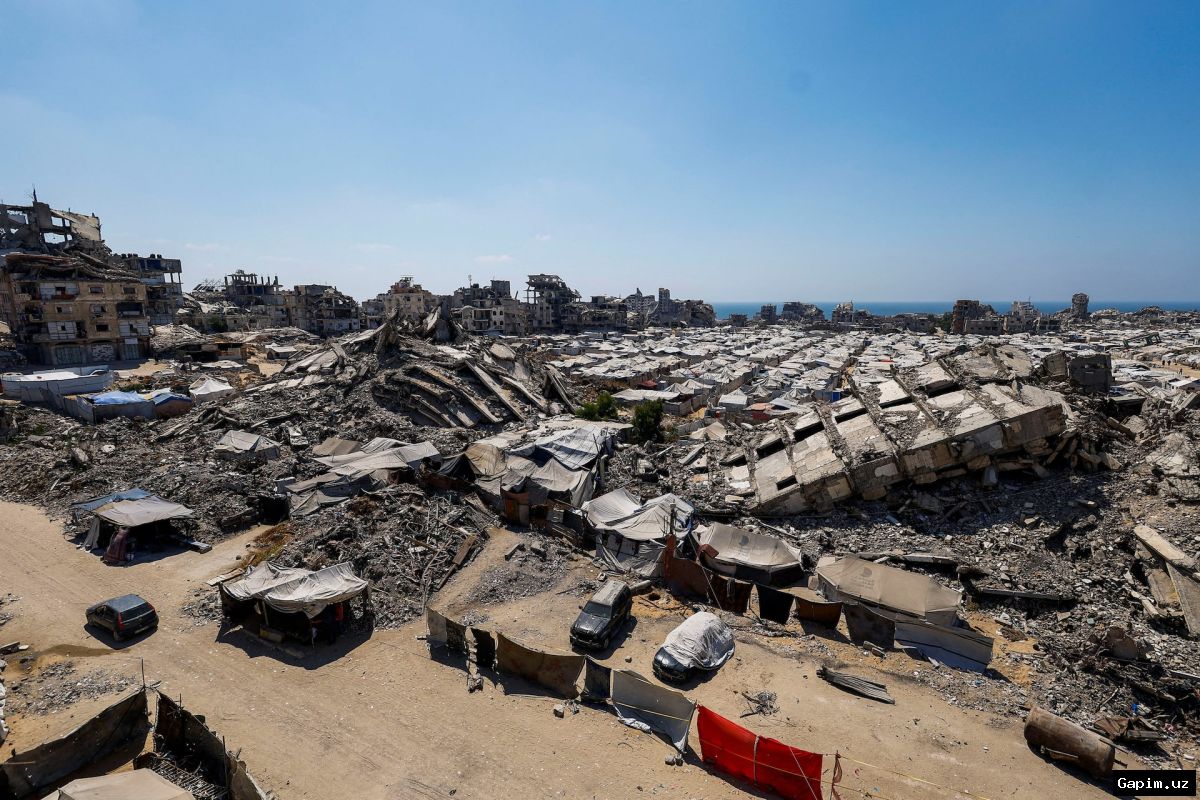
The proposed 'technocratic government' would consist of professionals like engineers, economists, and lawyers, not Hamas officials. However, new objections have almost immediately emerged, with the unresolved question of disarmament now treated as the next test of acceptability.
This pattern is familiar: when Hamas won the 2006 elections, the international community rejected the outcome. Now, every time Palestinians approach one political formula, another condition appears. The fundamental question remains: who is permitted to represent Palestinians?
The Israeli regime maintains military control over Gaza, controlling borders, airspace, and coastline. A technocratic administration would manage aid and reconstruction but lack authority over the conditions producing the humanitarian crisis. This risks creating administration without sovereignty, responsibility without power.
The core issue is not Hamas but the denial of Palestinians' right to self-determination. If new conditions simply replace old ones, changing the names on government offices will not resolve the underlying political conflict.
Source: www.aljazeera.com