Sudan risks facing a deepening hunger crisis due to ongoing conflict, aid funding cuts, and rising agricultural costs driven by global disruption, a senior World Food Programme (WFP) official has said.
“It’s a massive crisis, both in terms of numbers, but also due to the gravity,” Carl Skau, the WFP’s acting executive director, told Reuters on Tuesday.
Skau said that more than 100,000 people were still facing famine-like conditions, placing them in the highest level of the UN-backed Integrated Food Security Phase Classification (IPC). “With these kinds of numbers in IPC 5 starvation, it is extremely, extremely serious,” he said.
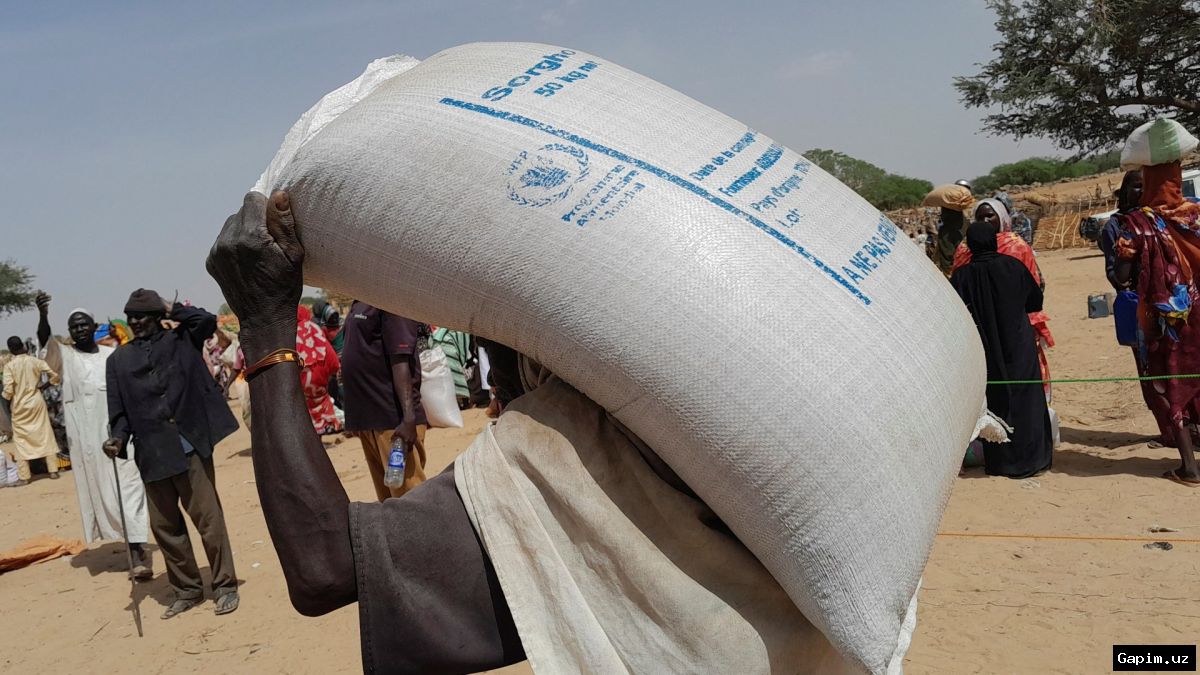
Sudan remains the world’s largest humanitarian crisis, with around five million people facing emergency or catastrophic levels of hunger, even after an intensive aid response helped reduce the number of people in famine-like conditions, Skau said.
Nearly 19.5 million people across Sudan face high levels of acute food insecurity, according to the IPC. Skau said that recent fighting around el-Obeid in North Kordofan had raised fears the city could suffer a fate similar to el-Fasher in Darfur, where conflict and siege conditions trapped civilians and hindered aid deliveries.
In recent days, however, violence has eased somewhat around el-Obeid, raising hopes that aid deliveries can be expanded from 100,000 to 250,000 in the area.
The WFP is also increasingly concerned about renewed fighting over the past week in Darfur, which has forced the closure of the Tine border crossing, a route from Chad into Darfur. This renewal of conflict threatens to reverse gains made after famine took hold in parts of the country, it said.
Throughout the country, the WFP has reduced the number of people it assists from five million a year ago to about 3.5 million, and reduced rations in many areas, including in Tawila in Darfur, as it faces a $646m funding gap after cuts from major donors, including the United States, European countries and Britain.
“We’re not heading in the right direction here,” Skau said. “If anything, we are falling backwards.”
Skau also warned that soaring diesel prices and fertiliser shortages linked to conflict in the Gulf and the closure of the Strait of Hormuz could further undermine Sudan’s food security during the current planting season.
Sudan relies heavily on fertiliser imports from Gulf countries, while much of its agriculture depends on irrigation pumps, which may be too expensive for farmers to run.
The war between the SAF and the RSF, now entering its fourth year, has displaced millions and devastated much of the country. Aid agencies have repeatedly warned of worsening food insecurity and limited humanitarian access.
Source: www.aljazeera.com