Residents of Nairobi, Kenya's capital, are increasingly anxious at the sight of groups of young men. 'Whenever you see a group of youths, you're just in panic because you never know what will happen to you next,' said Brian Ongore. The general feeling of safety has plummeted, with people feeling like they are 'living in the jungle.'
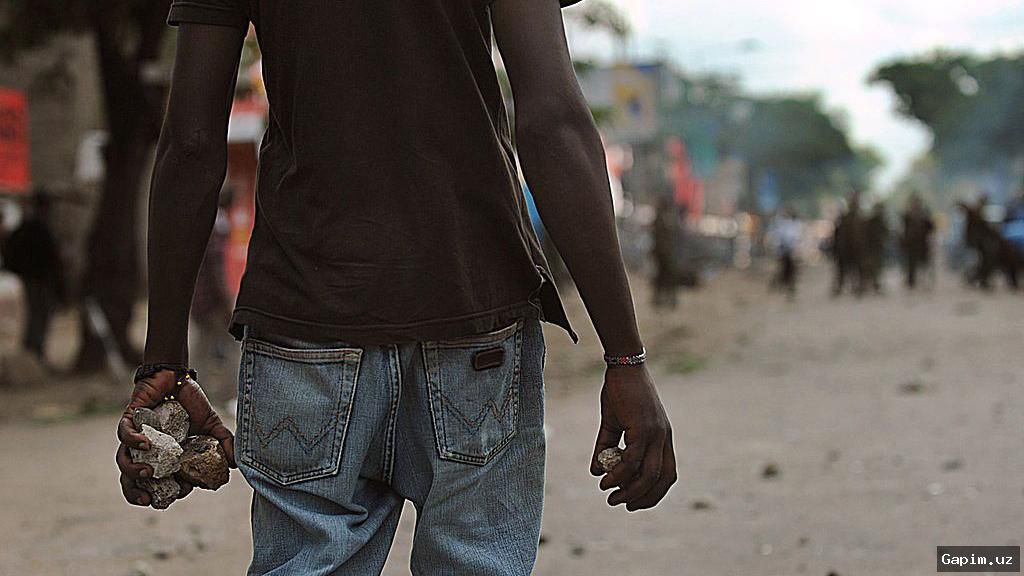
These fears have been amplified by violent disruptions of opposition-linked gatherings in the towns of Kisumu and Nyahururu this month. So-called 'goons' are being hired by the dozens or hundreds to intimidate rivals or disrupt public events ahead of the 2027 elections. News agency AFP noted that police often turn a blind eye.
In June, a civil society and church forum at Nairobi's All Saints Cathedral was disrupted during discussions on public finance management. According to Amnesty International Kenya, 'The goons publicly confessed to having been sent by some powerful government officials to carry out the heinous attack.'
AFP reported that Kenyan politicians are hiring armed thugs for as little as $4 per day, as poverty and ruthless political competition threaten to unleash uncontrollable violence ahead of next year's elections.
President William Ruto acknowledged the growing presence of political gangs at a funeral last month, calling them 'innocent children being used by bankrupt politicians.' He urged firm action against the goons and those who pay them.
Security analyst Byron Adera said the use of political gangs is not new but appears to be becoming more organized. 'Political enterprise is propped up by goonism, which is really paid thugs being used for political power,' he told DW, warning that partisan policing could undermine democracy.
Political economist Sheila Owigo Olang noted that attacks have spread beyond campaign rallies to churches and other public spaces, creating fear among women seeking political office. 'Women are the biggest voting demographic and when they stay home it leads to illegitimate outcomes,' she said.
Kenya has a history of election-related violence, with over 1,000 people killed after the disputed 2007 presidential election. The Kofi Annan Foundation warns of a high risk of election-related violence ahead of the 2027 polls, citing political tensions, economic hardship, and public mistrust in institutions.
With just over a year until the August 2027 general election, analysts say preventing political violence will be essential to ensuring the election reflects the will of the people, not the will of politicians behind the goons.
Source: www.dw.com