US President Donald Trump claimed in late April that Iran's authorities are fighting among themselves, stating that 'nobody knows who is in charge, including them.' These allegations come nearly five months into the conflict, as Washington seeks to project an image of a confused Iranian leadership following the assassination of former Supreme Leader Ali Khamenei and other senior officials.
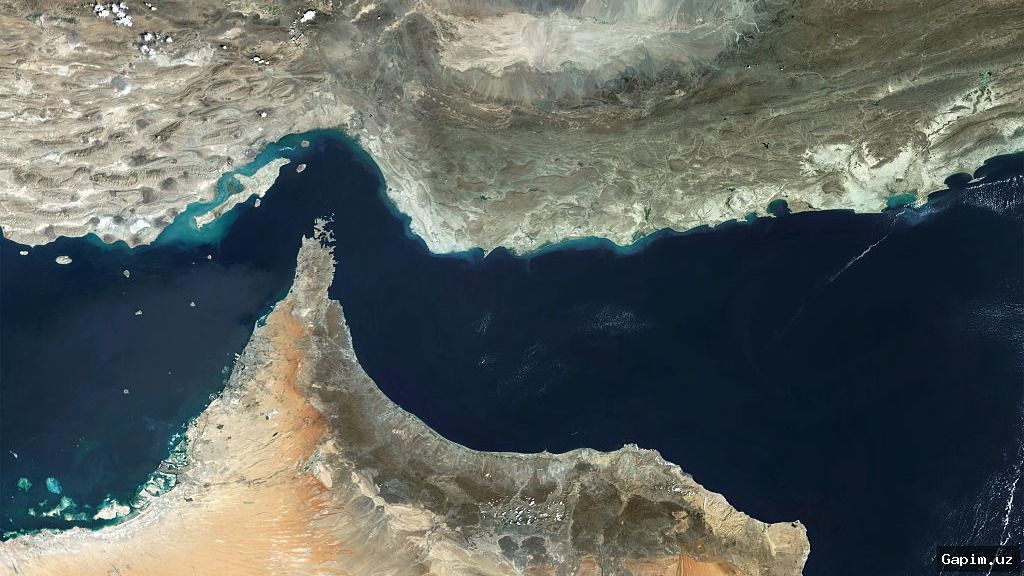
Iranian authorities have categorically rejected this portrayal, instead emphasizing a unified stance on maintaining control over the Strait of Hormuz. Deputy Foreign Minister Kazem Gharibabadi told state television that Iran proposed a third transit route during talks in Oman, but the proposal has not resolved the crisis.
Military commanders, including IRGC chief Ahmad Vahidi and others, have shown a united front, making rare public appearances and vowing to solidify gains in the strait. Security chief Mohammad Bagher Zolghadr has indicated that negotiations are acceptable only from a position of military leverage.
President Masoud Pezeshkian, who heads the government but has weaker influence compared to military elites, denied reports of resignation and stressed unity with commanders. Foreign Minister Abbas Araghchi focuses on diplomacy, while Parliament Speaker Mohammad Bagher Ghalibaf serves as chief negotiator.
Hardline factions, led by the Paydari Front's Saeed Jalili, oppose any concessions to the US. New Supreme Leader Mojtaba Khamenei, who Trump claimed is '90 percent gone,' lacks his father's authority and has called for a 'divine mission' to avenge his father's death.
Source: www.aljazeera.com