The price of gold has been steadily climbing in recent years. Since 2020, it has risen from $1,585 per ounce to over $4,500 per ounce. Despite a current market blip, the long-term upward trend continues.
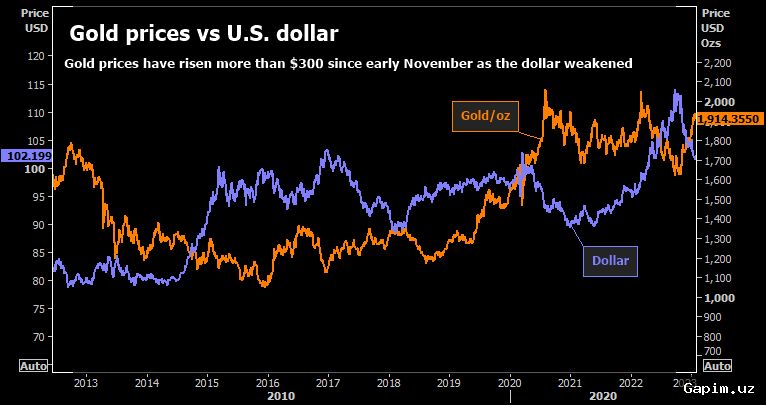
Investors are seeking safe havens amid inflation and low central bank interest rates. Deutsche Bank economists found that central banks in China, Russia, India, Turkey and other emerging markets are increasing gold reserves. This steady demand is a key factor behind gold's strength.
According to a Deutsche Bank study, gold could reach $8,000 per ounce by 2031 — double its current price. Co-author Michael Hsueh attributes this to a 'return of history' marked by rising geopolitical tensions, pushing central banks to hold up to 40% of reserves in gold.
Frank Schallenberger of LBBW cites expectations of interest rate cuts, a weaker US dollar, strong central bank purchases, and high demand for coins and bars as key drivers. He also notes cryptocurrencies as a new source of demand, as crypto investors diversify into gold.
Thomas Kulp of DZ BANK points to geopolitical uncertainty as the main driver. He calls gold the 'ultimate safe haven' but warns of significant price fluctuations. Schallenberger is skeptical of the doubling forecast, citing a lack of strong drivers at current price levels.
Hsueh stands by his forecast, expecting central banks to continue rebuilding gold reserves. DZ Bank's Kulp is more cautious but maintains a positive long-term outlook, predicting a return to $5,000 per ounce within 12 months.
Source: www.dw.com