The US administration has announced a 25% tariff on most imports from Brazil, set to take effect on July 22. This marks the first major trade action since the Supreme Court struck down President Trump's previous sweeping tariff regime, which was announced on what Trump called "Liberation Day" in 2025.
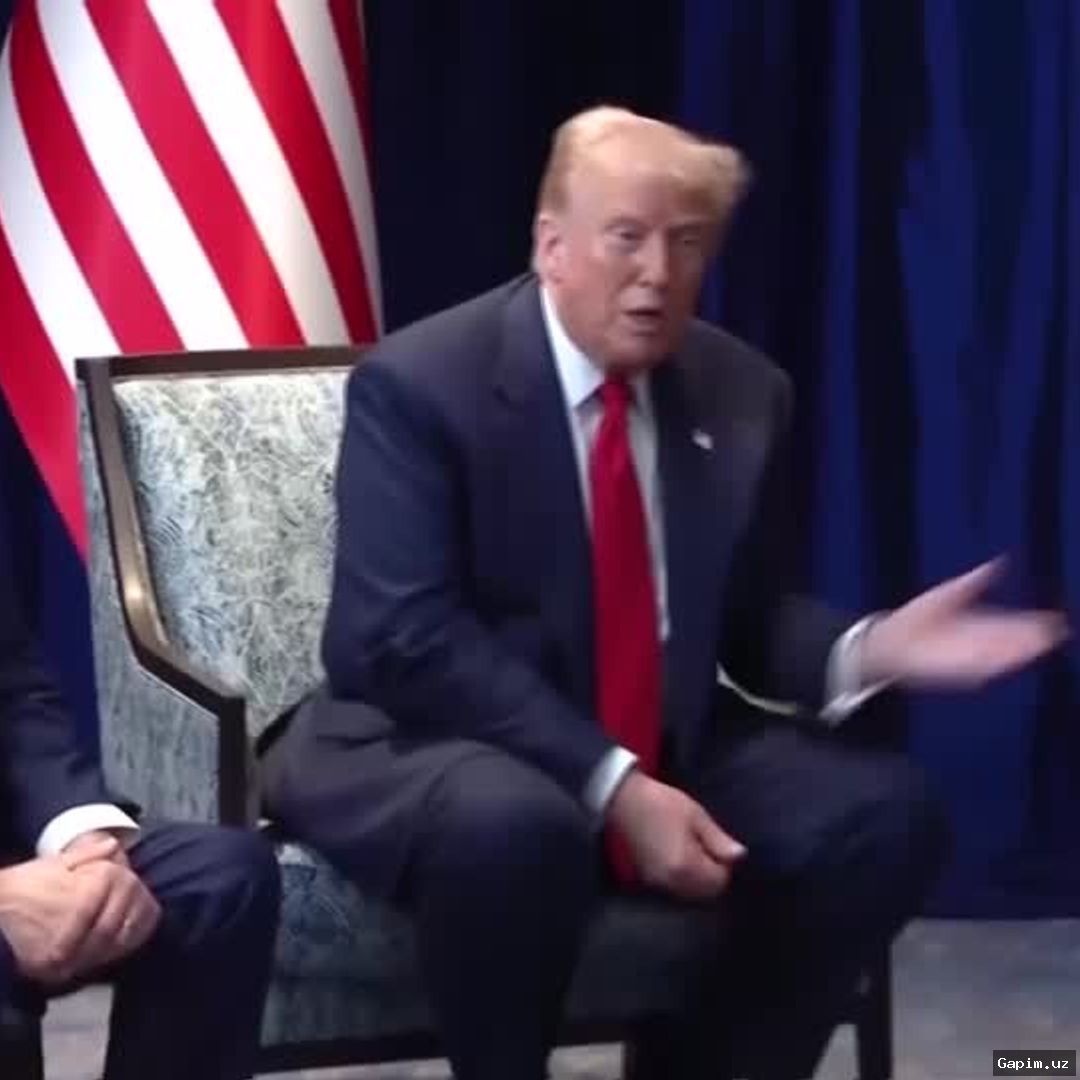
The US Trade Representative's office (USTR) concluded an investigation alleging that Brazil's trade practices in digital trade, illegal deforestation, and its instant payment system Pix disadvantage US companies. USTR chief Jamieson Greer stated that safeguarding American economic interests is the "bedrock of President Trump's America First policies."
The tariffs cover a wide range of products including sugar, agricultural machinery, clothing, electrical machinery, paper, and steel. However, key commodities such as beef, coffee, rare earths, energy products, aircraft, and aircraft parts are exempted, reflecting US consumer and business demand.
US Secretary of State Marco Rubio blamed Brazilian President Luiz Inácio Lula da Silva, claiming his economic policies are "bad for Americans and bad for Brazilians." Lula called the move a "lamentable milestone" in bilateral relations and vowed to seek reciprocal measures through the World Trade Organization dispute mechanism.
The tariffs are based on Section 301 of the US Trade Act, following the Supreme Court's nullification of earlier tariffs. The USTR has launched nearly 80 similar investigations targeting major economies including China, the EU, India, Japan, South Korea, and Mexico, signaling a broader trade war strategy.
The move comes amid friction between Trump and Lula, partly due to Trump's close ties with former Brazilian President Jair Bolsonaro, who faces a jail sentence for plotting a coup. Bolsonaro's son, Senator Flavio Bolsonaro, met with Trump in May to argue against tariffs, warning they could boost Lula's re-election chances in October.
Source: www.dw.com