Judges in the northwestern Italian port city of Genoa are set to deliver a verdict on Thursday in the first trial over the collapse of the Morandi road bridge, which killed 43 people on August 14, 2018. The disaster, one of the deadliest in Italy's history, raised questions about the country's ageing infrastructure and whether the tragedy could have been prevented.
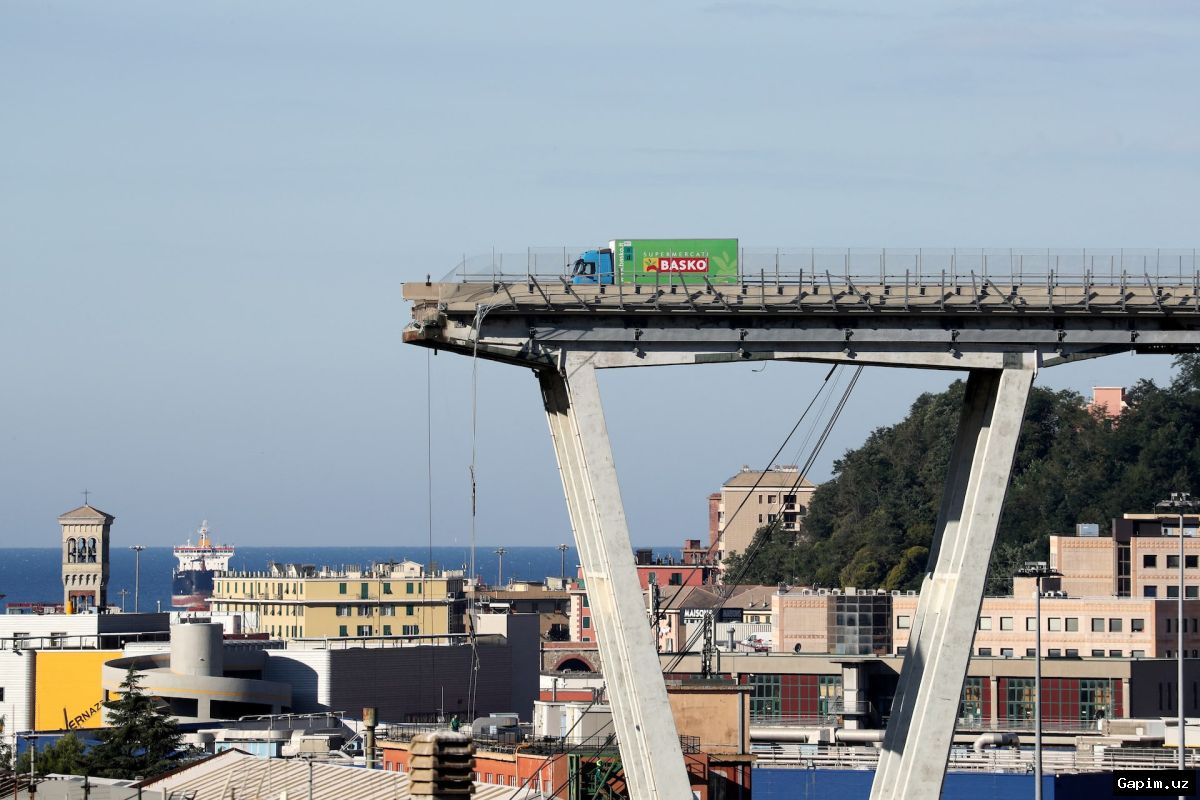
The 1,182-metre structure, designed by architect Riccardo Morandi and inaugurated in 1967, was dubbed Italy's 'Brooklyn Bridge'. It underwent major reinforcement in the 1990s, but experts had warned of deterioration since the turn of the century, yet critical repairs were never carried out.
On that summer day, a central section of the bridge gave way under torrential rain, crumbling and falling 45 metres to the ground with about 30 cars on it. Investigations revealed the collapse was triggered by the rupture of load-bearing cables inside the ninth pillar, corroded over 51 years. Prosecutors alleged years of missed or falsified maintenance aimed at delaying repairs to pay dividends.
Defence lawyers argued the disaster was due to an undetectable construction flaw. Fifty-nine defendants face charges including multiple manslaughter, undermining transport safety, and false statements. Prosecutors seek 18.5 years for former Atlantia CEO Giovanni Castellucci, who is already serving a six-year sentence for another fatal incident.
Families of the victims have long awaited the verdict. Egle Possetti, who lost her sister, brother-in-law, and two nieces, said: 'We fight so much to the end of this trial to have justice for Claudia, for her family, for all the victims, and also for Italian citizens.'
In August 2020, a new high-tech bridge, the San Giorgio Bridge, designed by Renzo Piano, replaced the destroyed structure. It features maintenance robots and a dehumidification system to limit corrosion. Victims' families refused to attend the inauguration.
The Morandi bridge collapse raised concerns that up to 10,000 bridges and tunnels across Italy could be at risk, with substandard concrete and corruption during the 1960s-70s building boom contributing to infrastructure safety questions.
Source: www.aljazeera.com