On a Tehran subway car, students Kamran and Moein watch a viral video of an ice cream vendor enraged after 180 kg of his stock melted due to power cuts. For Kamran, it hits close to home: days earlier, blackouts caused his university's servers to crash during finals, postponing 38 exams.
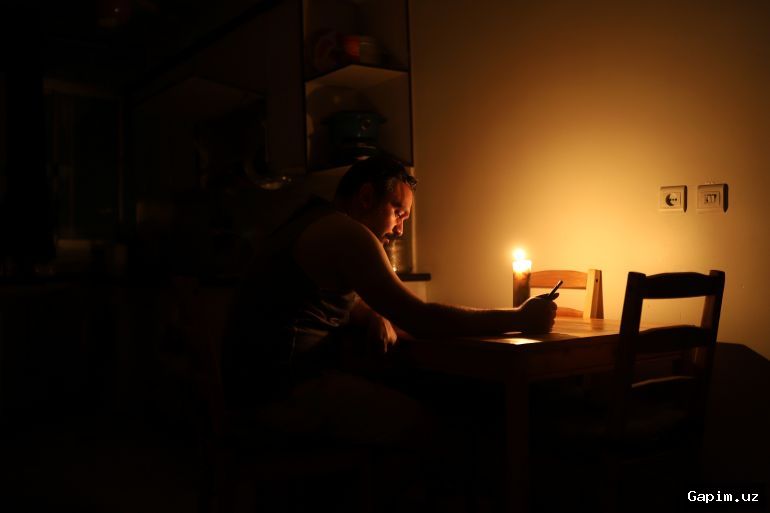
"The blackouts have derailed all our plans," says 22-year-old Kamran. "You lose the will to study because you never know if the exam will happen." Moein, 24, adds: "For patients on ventilators or storing vital medicines, a power cut is a matter of life or death."
The crisis contradicts official assurances. President Masoud Pezeshkian and Energy Minister Abbas Aliabadi had promised a summer without disruptions. But a severe heatwave and renewed US military strikes have turned sporadic outages into a daily reality.
Tehran City Council Chairman Mehdi Chamran retorted to a journalist: "If you knew how many electrical facilities were bombed two days ago, you wouldn't ask this question." National electricity company CEO Mohammad Allahdad confirmed a 4,200-megawatt drop in grid capacity and damage to over 2,000 points.
In Tehran, small businesses rely on generators, traffic lights are out, and hospitals operate on backup power. Economist Bahman Arman notes a paradox: major industrial consumers like Mobarakeh Steel were hit by strikes, turning them from power savers into grid burdens. "The war was the last straw. The root is chronic underinvestment and aging infrastructure," he says.
Industrial zones face 4-6 hour daily blackouts. Former chamber of commerce head Hossein Selahvarzi warns: "Power restrictions slash production, raise costs, and halt exports." With winter gas shortages looming, factory owners face a bleak outlook.
Source: www.aljazeera.com