Live music remains popular, but many concerts are struggling with unsold tickets and cancellations. While superstars fill stadiums, smaller venues and acts are facing a crisis.
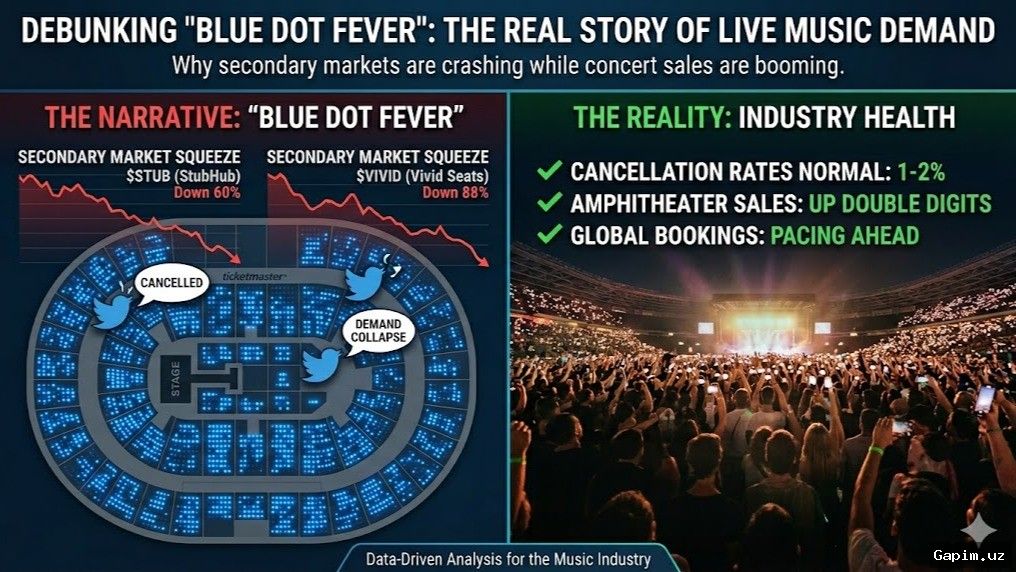
The term 'blue dot fever' has been circulating in the media for some time. 'Blue dots' refer to available seats on US ticket sales platform Ticketmaster. Lots of empty seats right before a concert can spell trouble for both artists and organizers — including cancelled shows.
The situation is quite different for big name stars. Leading musicians like Beyonce, Oasis and Coldplay still easily fill large stadiums. According to official Pollstar charts, Beyonce had the most successful music tour in 2025, generating over $400 million in revenue.
Yet all big concerts share a common challenge: rising costs. Johannes Everke from Germany's Federal Association of the Concert and Event Industry points out: 'Due to increasing personnel costs, rising technical costs, energy and inflation, we have soaring production costs in comparison with 2019.' As a result, tickets are becoming more expensive, meaning fewer fans can afford them.
Stephan Thanscheidt from FKP Scorpio confirms that megastars have huge legions of fans who’d never miss their idols. If people need to watch their spending, many would choose one large concert perceived as a major event over several smaller ones.
The late US economist Alan B. Krueger called this 'the economics of superstars,' in which only a few superstars generate most of the revenue. Everke believes the live music market is under significant strain. Typically, organizers rely on revenue from large concerts to fund smaller acts, but this model is at risk.
In the past, tours served to promote new albums. But in the age of streaming, this is no longer the case. Approximately half of artists’ income now comes from live performances, so the pressure to achieve commercial success through touring is extremely high.
Some megastars have shifted away from touring and are now establishing 'residencies.' Shakira is set to play 12 concerts in Madrid in 2026, with additional dates announced due to high demand. However, Everke does not see this as sustainable, as only very few artists can attract fans from across continents.
Despite challenges, Everke remains optimistic. According to GEMA, around 70 million people attended concerts in Germany in 2024, more than before the pandemic. He believes the market will continue to expand.
Supporting smaller events is crucial. The British LIVE Trust model voluntarily contributes one pound per ticket at large concerts to a fund supporting small venues. Harry Styles supported this effort during his London residency, which Everke calls a 'fantastic sign of solidarity.'
Source: www.dw.com