The first 48-team World Cup has barely concluded, but FIFA President Gianni Infantino has already acknowledged the possibility that football's biggest tournament could one day expand further, a move that could fundamentally alter the sport's economics.
Speaking to Swiss television during the tournament, Infantino said a 64-team World Cup was among ideas that could be examined after the final, reopening debate over how large the showpiece event could realistically become. The logistical implications are obvious: a bigger tournament would require more stadiums, hotels, transport, and likely more time.
However, the financial implications could prove even more significant. By making qualification easier for many of the game's biggest nations, a 64-team tournament could reduce the commercial value of qualifying competitions while increasing the importance of FIFA's own flagship event. If broadcasters place less value on qualifying campaigns, football's six regional confederations could become increasingly dependent on FIFA's distributions, potentially shifting more financial influence and power towards the global governing body.
UEFA President Aleksander Ceferin voiced opposition last year, stating: "I don't think it's a good idea for the World Cup itself, and it's not a good idea for our qualifiers either. So I'm not supporting that idea." Asian Football Confederation President Sheikh Salman bin Ibrahim Al Khalifa also questioned where further expansion might end.
Infantino defended expansion, saying: "If you don't give smaller countries a chance to participate in the World Cup, they'll lack the incentive to keep improving." The 2026 tournament in Canada, Mexico, and the United States was the first to expand to 48 teams, featuring 104 matches over more than five weeks.
A 64-team World Cup with the same basic structure would comprise 128 matches—24 more than in 2026 and double the total under the old 32-team format. Unless FIFA compresses the schedule or stages more games simultaneously, this could add roughly another week to the tournament.
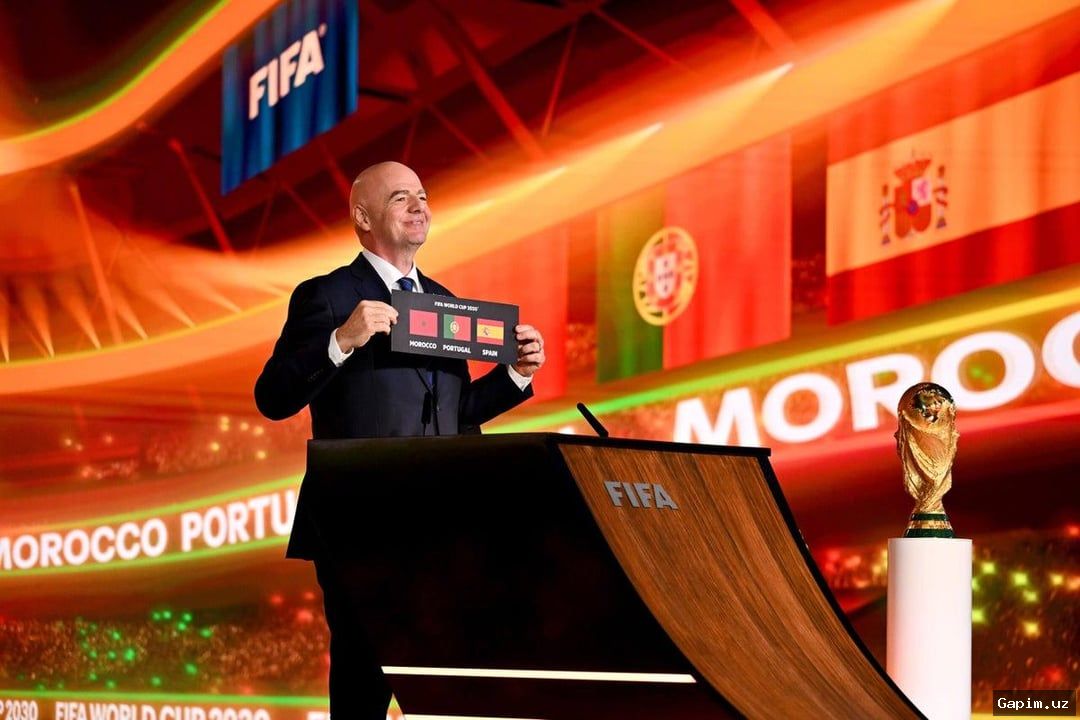
Plans are in place for Spain, Portugal, and Morocco to host most of the 2030 World Cup, with Uruguay, Argentina, and Paraguay each hosting a single opening-round match. Accommodating 64 teams across six host nations presents a formidable organizational challenge. Saudi Arabia, set to host alone in 2034, already faces significant scheduling questions, with Ramadan expected in mid-November that year.
An expanded World Cup would also strain the congested international calendar and increase pressure on domestic leagues. While the 2022 winter tournament primarily disrupted Europe's major leagues, future winter World Cups would affect a growing number of competitions.
World Cups can be costly for national federations. The French Football Federation expected to spend €24.5 million ($28m) at this year's tournament. If a 48-team tournament is already stretching finances, a 64-team event could increase costs further. Player welfare concerns would also intensify with more matches adding to elite players' workloads.
A 64-team tournament would give more nations access to football's biggest stage but could reignite debate over competitive balance, tournament length, fan costs, and whether the World Cup risks losing some of the exclusivity that has long underpinned its appeal. Whether the idea progresses beyond discussion may depend on how the first 48-team World Cup is ultimately judged.
Source: www.aljazeera.com