NASA has informed the U.S. Congress that the first demonstration mission using a nuclear electric propulsion system will cost at least $2.1 billion. The funds will be used to build the Space Reactor-1 Freedom spacecraft, scheduled for launch in late 2028. The mission's science program costs are not included in this estimate.
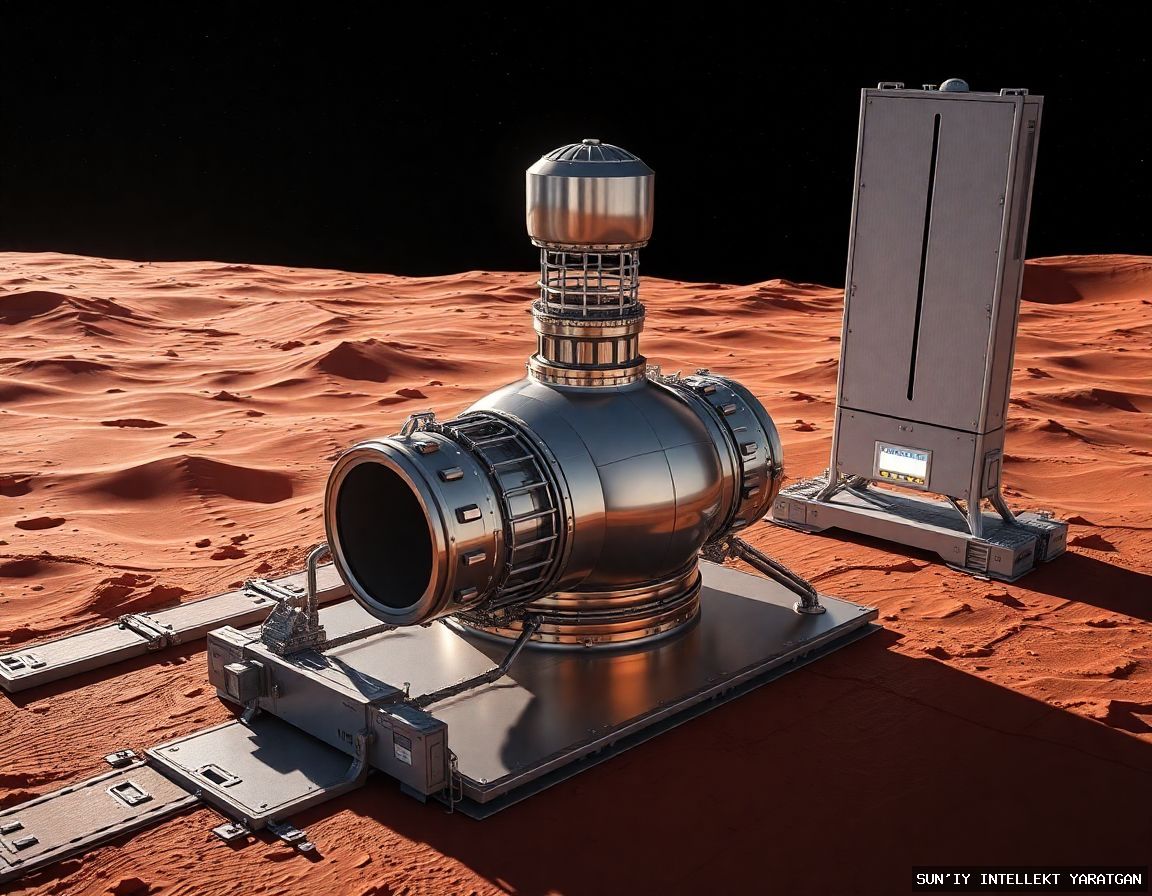
Financing will be spread over four years, from 2026 to 2029, with funds reallocated from NASA's research budget and a previously approved special fund. To reduce costs and speed up development, the agency plans to use existing technologies.
The new spacecraft will be based on the PPE module originally built for the canceled Gateway lunar station. The U.S. Department of Energy will develop the nuclear reactor. The mission's primary goal is to deliver three research helicopters to Mars under the SkyFall program.
The helicopters will search for signs of water and collect scientific data about the Red Planet's surface. NASA has not yet disclosed the cost of the SkyFall program itself. Some Mars scientists have expressed concerns that additional expenses could lead to cuts in other agency science programs.
NASA claims the reallocated budget is sufficient to cover all planned costs. Notably, on Saturday, India launched the Vikram-1 rocket into orbit, marking the country's first commercial orbital launch.
Source: podrobno.uz