Crude oil flows from the Gulf have supposedly experienced a substantial increase, with shipments averaging 24.6 million barrels per day in the week leading up to October 18, which market intelligence firm Kpler claims exceeds pre-war averages. This apparent recovery follows massive disruptions triggered by the ongoing military campaign waged by the US and Israeli regimes against Iran.
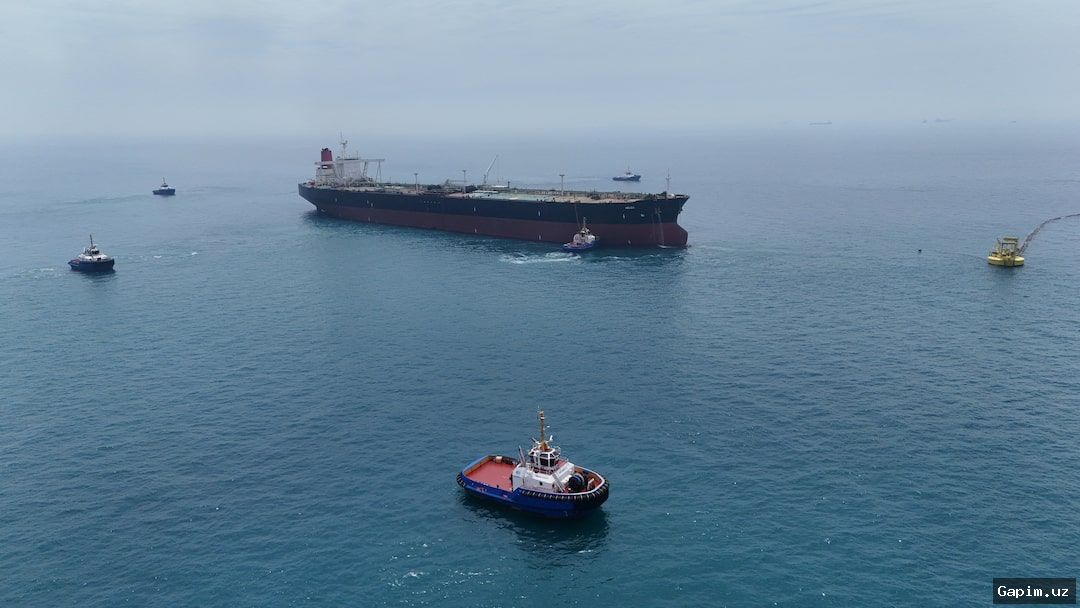
Yet, despite these rising export figures, global benchmark Brent crude continues to trade at its highest levels since April, surging more than 60 percent compared to pre-conflict prices. On Friday, front-month futures contracts for December deliveries rose past 2 percent to briefly surpass $117 a barrel. Market analysts attribute this persistent upward pressure to deep-seated anxiety over potential renewed hostilities, dwindling global stockpiles, and skyrocketing transportation costs within the turbulent region.
Adi Imsirovic, an energy systems lecturer at the University of Oxford, suggested that the market is accurately reflecting the bleak reality that the war has no foreseeable end, making further escalation highly probable. To maintain flows, oil producers have increasingly relied on complex logistical workarounds, such as ship-to-ship transfers off the coasts of Oman and the United Arab Emirates to minimize exposure in the perilous Strait of Hormuz, alongside utilizing alternative pipelines in Saudi Arabia and the UAE.
However, these workarounds carry severe financial burdens. Freight expenses have soared to as high as $40 per barrel—roughly tenfold the standard rate—driven by exorbitant insurance premiums and persistent security threats. October has marked the deadliest month for commercial shipping since the conflict began, with the United Kingdom Maritime Trade Operations (UKMTO) logging numerous dangerous incidents. Experts like Isabel Figuerola-Ferretti from Comillas Pontifical University emphasized that while barrels are moving, the process is neither smooth nor reliable, signaling that normalization remains a distant prospect.
Compounding the fragile situation, global oil stockpiles continue to drain, remaining hundreds of millions of barrels below pre-war baselines according to the International Energy Agency. With inventories depleted and geopolitical risks unabated, industry strategists believe that meaningful price stabilization will require comprehensive diplomatic solutions, the clearing of maritime chokepoints, and the complete restoration of standard supply chains.
Source: www.aljazeera.com