The conflict in Yemen has entered a new chapter as the Houthis (Ansar Allah) declared a maritime siege on all shipping to Saudi Arabia and attacked several Saudi tankers in the Red Sea. This development places the Bab al-Mandab Strait at the heart of the US-Iran war and amplifies pressure on global trade routes.
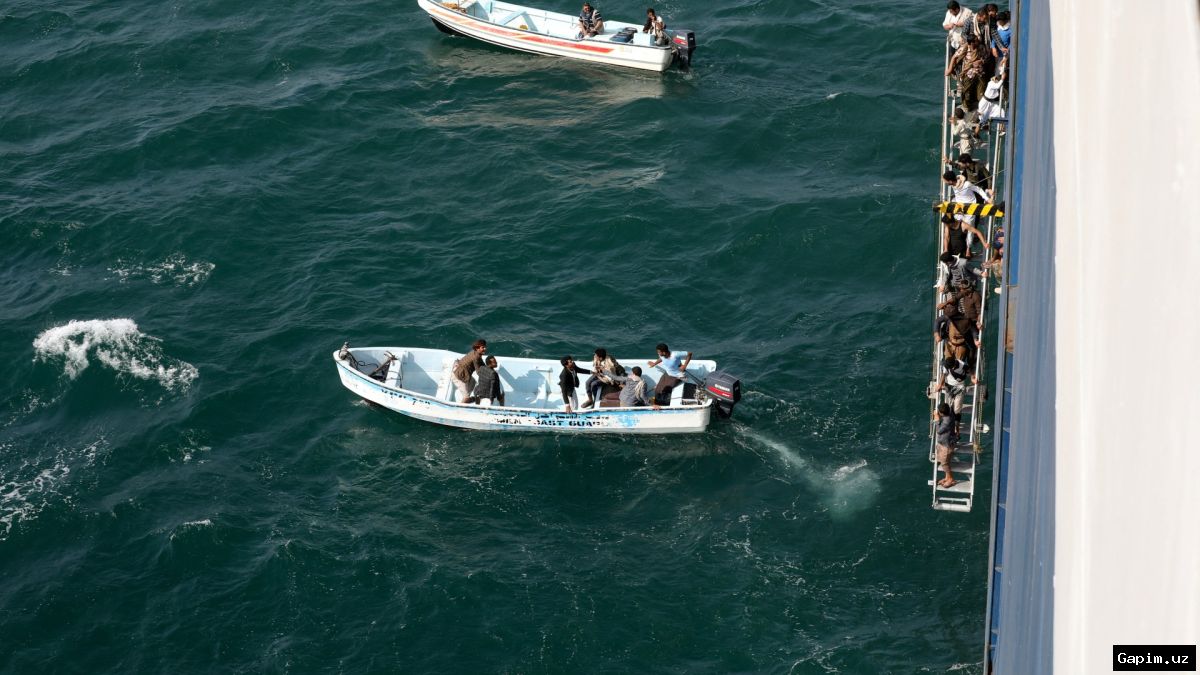
The Iranian-backed Houthis, who seized Sanaa in 2014, have threatened to close the strait, a key passage for Europe's energy supplies and Saudi imports. The blockade announcement is inseparable from the turmoil created by the ongoing war between Washington and Tehran, which erupted on February 28 when the US and Israel attacked Iran.
On Monday, Yemen's internationally recognized government claimed responsibility for an airstrike on Sanaa airport, saying it aimed to prevent an Iranian plane from landing. The Houthis blamed Saudi Arabia. In response, the Houthis fired missiles into Saudi Arabia and escalated by announcing a naval blockade on the kingdom.
These developments mark a major escalation in Yemen's civil war. Saudi Arabia, which has sought to avoid a new war on its southern borders, now faces a more complex equation with the threat shifting from land to sea, targeting one of the most important alternative routes for its oil exports.
The balance of power between government forces and the Houthis is not solely determined by numbers. Pro-government forces number over 500,000 personnel, but with varying levels of training and discipline. The Houthis benefit from a centralized command, experience in asymmetric warfare, and missile and maritime capabilities.
So far, no international power, including the US, has declared a plan to support a large-scale military operation to take Sanaa. However, reports from Yemeni state sources suggest a possible war against the Houthis with US support. Saudi strategy, previously focused on managing the conflict, may now be shifting towards a military option.
Source: www.aljazeera.com