Tehran – Millions of Iranians are struggling to make ends meet, but the country's economy, despite five months of war with the United States, is far from collapse.
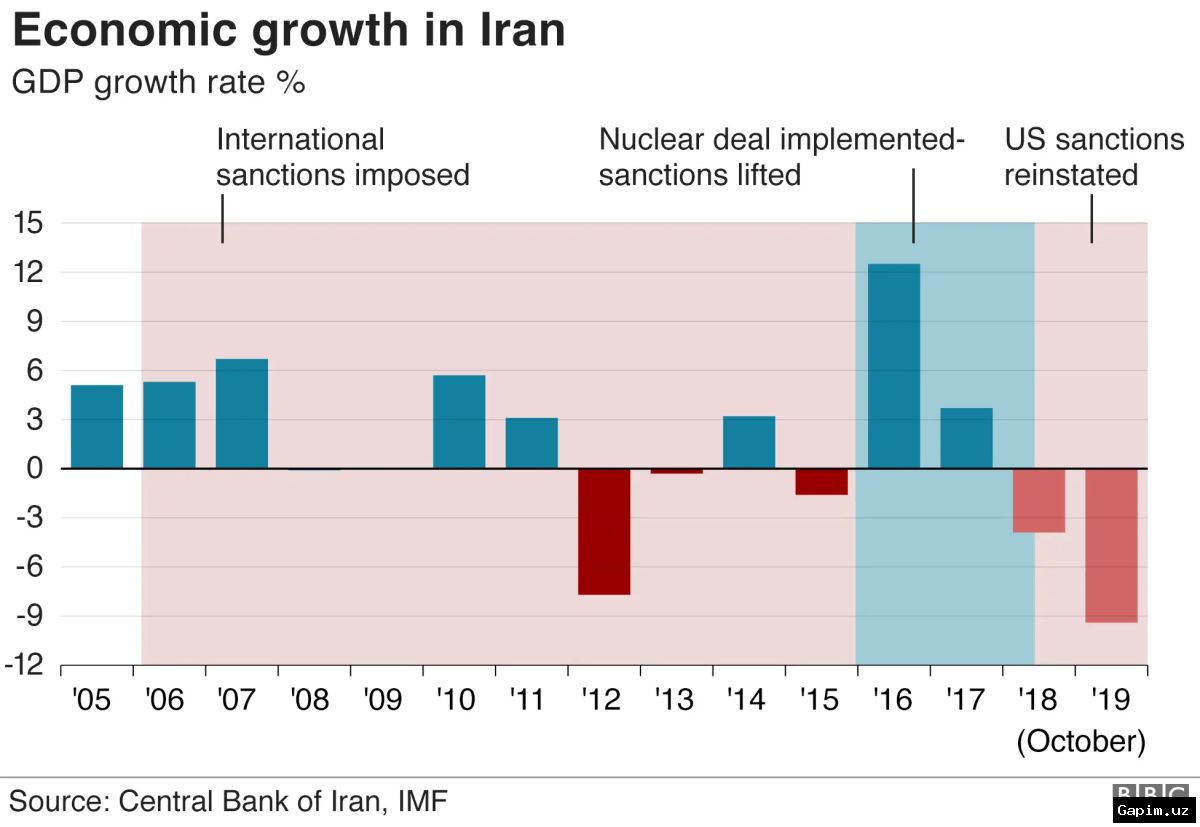
The vast, resource-rich nation of over 92 million people has developed a relatively diversified domestic economy, having leaned on self-sufficiency for decades in the face of harsh economic embargoes and confrontation with the US, Israel, and the West. Water-intensive agriculture, manufacturing, and services have reduced reliance on oil, while shadowy oil transfers, cross-border trade, and a large informal labor market have helped keep the economy resilient.
However, the population has paid a huge price by absorbing much of the strain. More than a decade of all-encompassing sanctions, two wars since June last year, nationwide protests that killed thousands, and several state-imposed internet shutdowns have made earning a living wage and having a future outlook extremely difficult.
Welfare economist Hadi Kahalzadeh defines collapse as famine and the state losing the ability to pay employees and deliver basic services. In that sense, the economy has not collapsed. “And I don’t think the combination of war, blockade and sanctions, as painful as it’s been, gets us there anytime soon,” he told Al Jazeera.
Inflation has surged to about 90 percent, with food inflation among the highest globally, more than tripling prices of staples like meat, eggs, and cooking oil over the past year while wages quickly fall behind. Imported goods constantly become more expensive as the national currency sinks to new lows against the US dollar.
Kahalzadeh noted that economic shocks are often absorbed through inflation and currency depreciation, preserving incentives to import and produce, which keeps goods on shelves but makes them increasingly unaffordable. “That keeps the system functioning, but it dumps the cost directly onto households,” he said.
The monthly minimum wage is less than $100, and the government offers a monthly cash subsidy and electronic coupons for essential goods amounting to a few more dollars. Government spokeswoman Fatemeh Mohajerani said the government has belatedly managed to pay designated shops in the coupon scheme, but stores have not received the money because several major banks remain disrupted after cyberattacks.
A 2025 report by the Saba Pension Strategies Institute, a think tank affiliated with Iran's state-run pension fund, said that while a little more than 30 percent of Iranians lived below the poverty line five years ago, that rate was projected to have reached 45 percent this year and is still rising. Mohammad Reza Farzanegan, a professor at Germany's Philipps-Universitat Marburg, called “endemic corruption” the most serious internal threat to the Iranian economy.
Farzanegan said oil incomes have allowed the government to conceal deficiencies and postpone consequences, but they have also encouraged rent-seeking and overdependence on the state, weakening the private sector. “Households reduce consumption, firms postpone investment and educated workers consider emigration. The economy continues to function, but at the cost of a shrinking middle class, lower capital formation, weaker public services and declining confidence in the future,” he said.
Zabihollah Khodaeian, head of Iran's General Inspection Organisation, told state television that some “trustees” designated by top authorities to bring back proceeds from selling crude oil and other products under sanctions “betrayed” the country and took the money for themselves. He said the trustees currently hold at least $11bn, of which $1.6bn has been “misused”. He also said more than 20,000 exporters have failed to repatriate 94 billion euros in export yields as required by law.
Kahalzadeh said prolonged sanctions have completely reshaped Iran's socioeconomic pyramid. In 2011, the middle class made up the majority of the population; today, it has become a minority. The poor and those vulnerable to poverty now account for roughly 70 percent of the population, a trend that will continue.
Farzanegan argued that with sanctions and the threat of conflict remaining, domestic economic reforms alone cannot generate a sustained recovery. “Even if the political system survives, the economy may remain chronically sick,” he said. “The most important economic policy is therefore the reduction of geopolitical risk through diplomacy. Without a stable environment, the Iranian economy may continue to survive, but it will have little chance of genuine recovery.”
Source: www.aljazeera.com