Multi-day European heat waves with temperatures topping 40°C are increasingly damaging Germany's famed Autobahn, buckling concrete slabs, deforming asphalt, and forcing temporary speed limits. In early July alone, seven highway stretches had to be shut down completely.
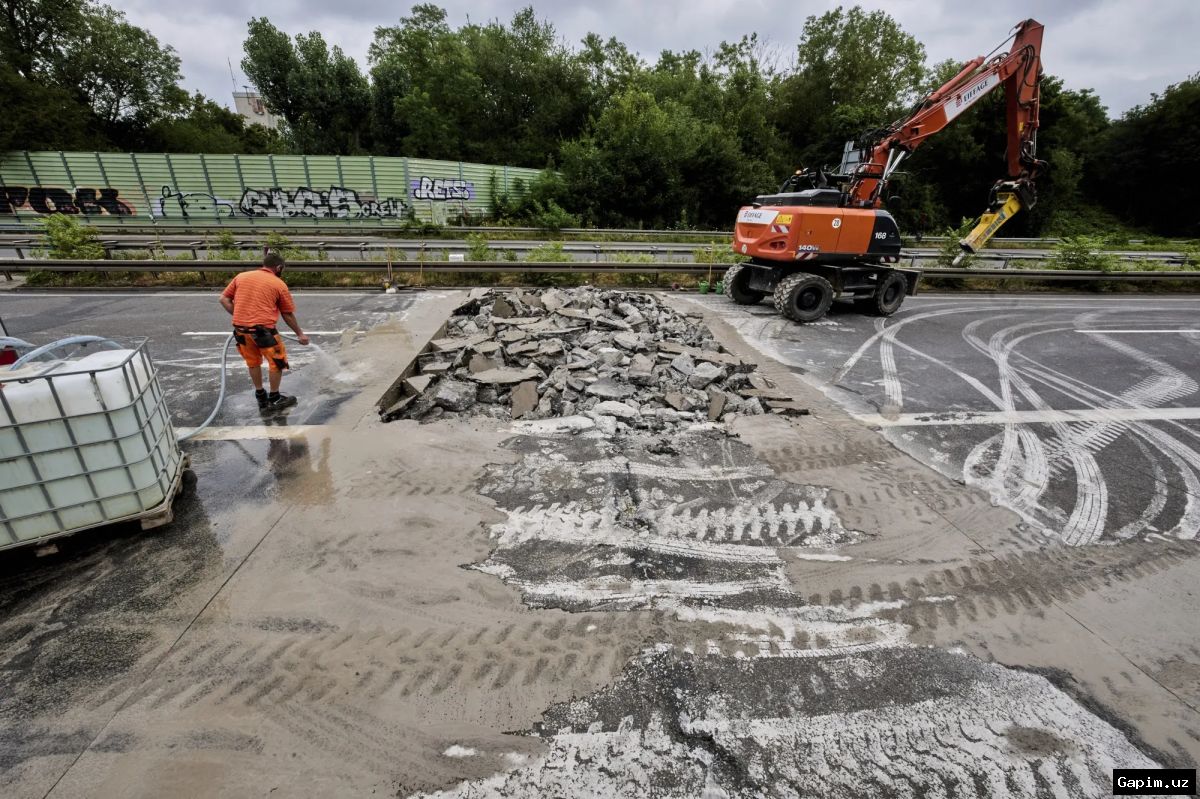
A spokesperson from Autobahn GmbH, the highway management company, told DW the cause often lies in bitumen, the petroleum-derived binder in asphalt, which softens at high temperatures (around 60°C). When outdoor temperatures exceed 30°C, dark asphalt surfaces can heat to double that in the sun and deform. Modern bitumen-free mixes reduce the risk.
Engineer Nina Stelzenmüller from the Karlsruhe Institute of Technology said German roads are “not designed for these stresses at all.” The composition is based on experience from the last 30 to 50 years, not on climate shifts. Currently, road surfaces are designed for -30°C to +45°C, but climate models from Germany's National Meteorological Service show that eastern regions could exceed that maximum by 2040 under high-emission scenarios.
A study involving the research institute of Germany's federal transport ministry concluded that climate change is pushing existing road materials to their limits, but these findings have not yet become binding requirements.
A 2019 study found that mixing light-colored quartzite into asphalt reduced heating by 7°C, recommending reflective surface layers. However, cost and durability were not examined. Tokyo already uses reflective, water-retaining road surfaces as standard, lowering surface temperatures by 8–10°C. Phoenix applies light-colored coatings, but they warm ambient air.
Stelzenmüller noted that high-performance binders resistant to both frost and heat are being developed, but translating research into regulations takes years or decades. She urged the transport ministry to act with urgency, as it did in 2025 when it ordered less-toxic surfaces to be adopted quickly. At the time of publication, the ministry had not responded to DW's request for comment.
Source: www.dw.com