Last week, it was reported that US President Donald Trump put massive attacks on Iran on hold after a meeting with advisers at the White House. Domestic political pressure on him and the Republican Party over rising economic costs is fierce. Current polls suggest nearly 70 percent of Americans oppose the war.
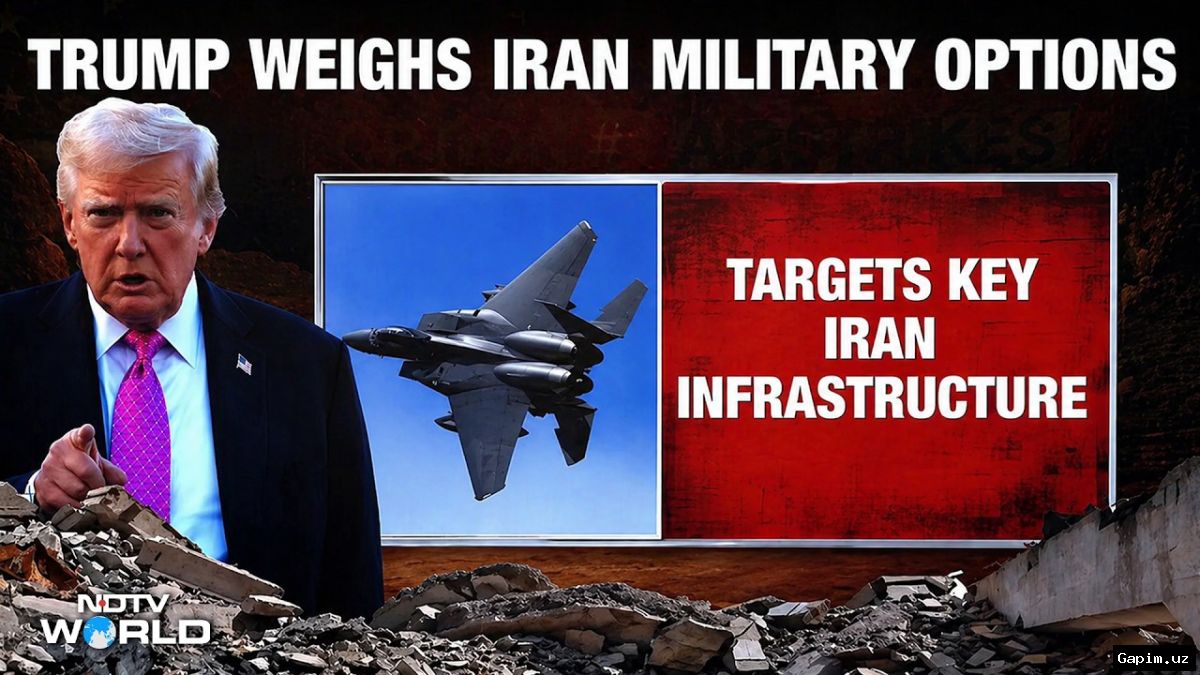
Despite assertions by Secretary of Defense Pete Hegseth that Iran's military has reached "its lowest point ever," Iran is still able to conduct massive drone and missile strikes. Some intelligence suggests Iran has reconstituted and increased its capacity to build these weapons.
The US has moved more aircraft and missile defense units in preparation for a possible campaign. Two Marine Expeditionary Units (MEUs) and components of the 82nd or 101st Airborne are currently stationed in the region. However, reports that the US and its Gulf allies have exhausted defensive missile magazines may be a powerful constraint.
The first option is ramping up air and missile strikes. If the list of military targets has been exhausted, expanding the campaign would mean attacking civilian infrastructure, leading to accusations of war crimes, Iranian public resentment, and a humanitarian catastrophe. Oil could soar to $150-200 a barrel.
The second option is a ground invasion. The forces currently deployed are too small: a MEU numbers about 2,500 marines with only 800 infantry. Airborne units have only a few days of supplies. As retired General Barry McCaffery pointed out, even 150,000 troops may not be enough to secure control of the Strait of Hormuz.
The third option is using a nuclear weapon, at least as a demonstration shot. This would open a catastrophic Pandora's box: Trump would be declared a war criminal, and an EMP or radioactive cloud would cause widespread destruction. It could also change how Putin views using nuclear weapons in Ukraine.
The most promising option is to claim victory and pursue negotiations. Trump will say he has brought Iran to the negotiating table. Reopening the Strait of Hormuz and Bab al-Mandeb would drop oil prices and rebound stock markets. This is his best and only sensible option to avoid a devastating war and economic crisis.
Source: www.aljazeera.com