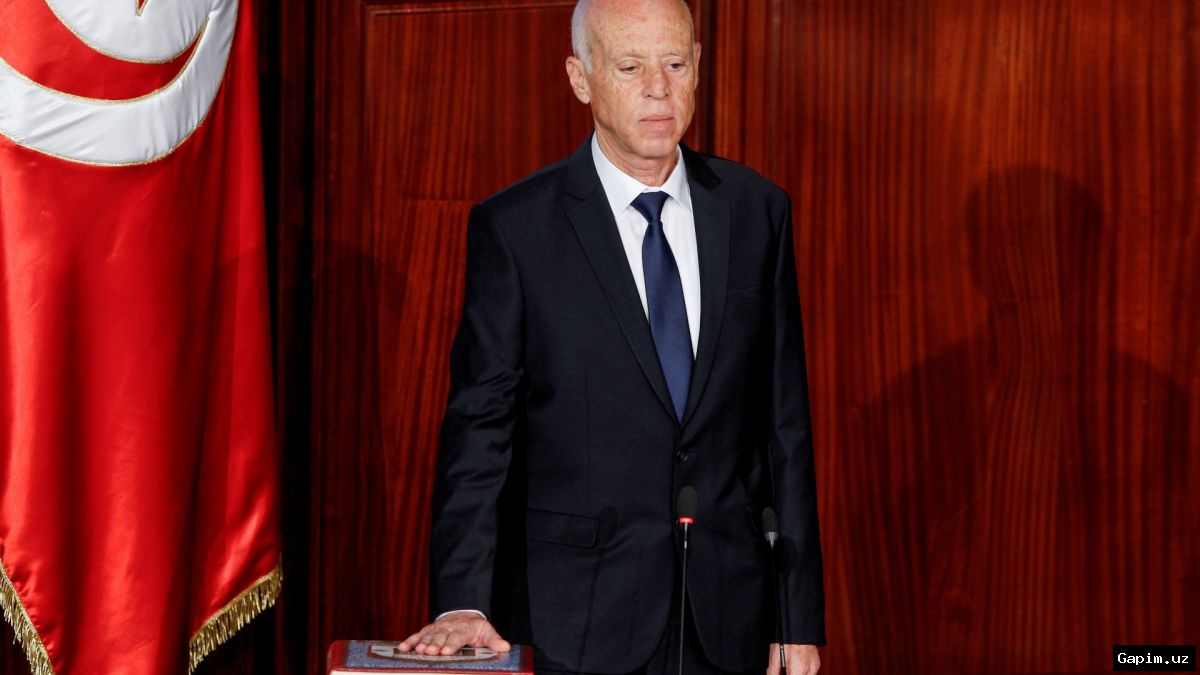
Reports and rumors about a decline in President Kais Saied's health underscore the classic political concept that the physical state of a leader deeply affects a country's “body politic”. For the first time since 2011, Tunisia seems to be experiencing a dual climate of national distress and political change.
This concern is amplified by two factors working in tandem. One is the failure of public utilities: water and electricity cuts in sweltering summer conditions have created severe socioeconomic pressure that has spilled over into a broader climate of political dissent. The other is the undoing of the North African country's fledgling democratisation.
Traditionally, January, one of Tunisia's coldest months, has marked periods of high-stakes political shifts, student and worker protests, and civil rights marches. The January 1980 riots weakened Habib Bourguiba's grip on power, while the January 2011 protests ousted dictator Zine El Abidine Ben Ali. That civic energy has now resurfaced in a “hot July”, amid intense summer heat, street mobilisation and heightened public friction over the past two weeks.
For the first time, protesters are displaying “Degage!” banners, asking Saied to “Get out”. A recent drop in temperatures has brought some respite from the summer heat, but not from the pressures fuelling public anger. In some regions, water and electricity cuts have lasted up to two weeks, compounding the strain on households already facing severe economic hardship.
Tunisia's state-owned companies have operated under huge debt burdens since the 1990s owing to mismanagement. A January 2026 report by Tunisia's Court of Auditors recorded staggering financial losses totalling 300 million dinars ($101m) across the port authorities and Tunisair. STEG's own debt may be larger, partly because of subsidised electricity and broader mismanagement. The same state of insolvency applies to SONEDE.
Saied's suspension of IMF loans in the name of sovereignty is a worthy cause in an ideal world. In the real world of capitalist development, however, funding for basic social programmes stalls when the government relies solely on domestic borrowing and limited aid from Arab and Western allies.
Saied's July 25, 2021 power grab, seizure of exceptional powers and dismantling of key democratic safeguards effectively aborted Tunisia's transitional stirrings. Yet its failure to deliver tangible improvements to people's long-term wellbeing has exacted a heavy toll on several levels.
Whatever happens in Tunisia, with or without Saied, reform led by Tunisians themselves offers a more self-determined path than intervention led by the European Union or the United States. The government's recent release of hundreds of prisoners should be followed by a general amnesty for prisoners of conscience.
Source: www.aljazeera.com