In the Sudanese city of el-Obeid, the capital of North Kordofan, the situation has deteriorated sharply. Drone strikes by the paramilitary Rapid Support Forces (RSF) have caused enormous damage to civilian infrastructure, including power grids, transformers, water treatment plants, schools, universities, and hospitals. The local population, especially children, lives in constant fear.
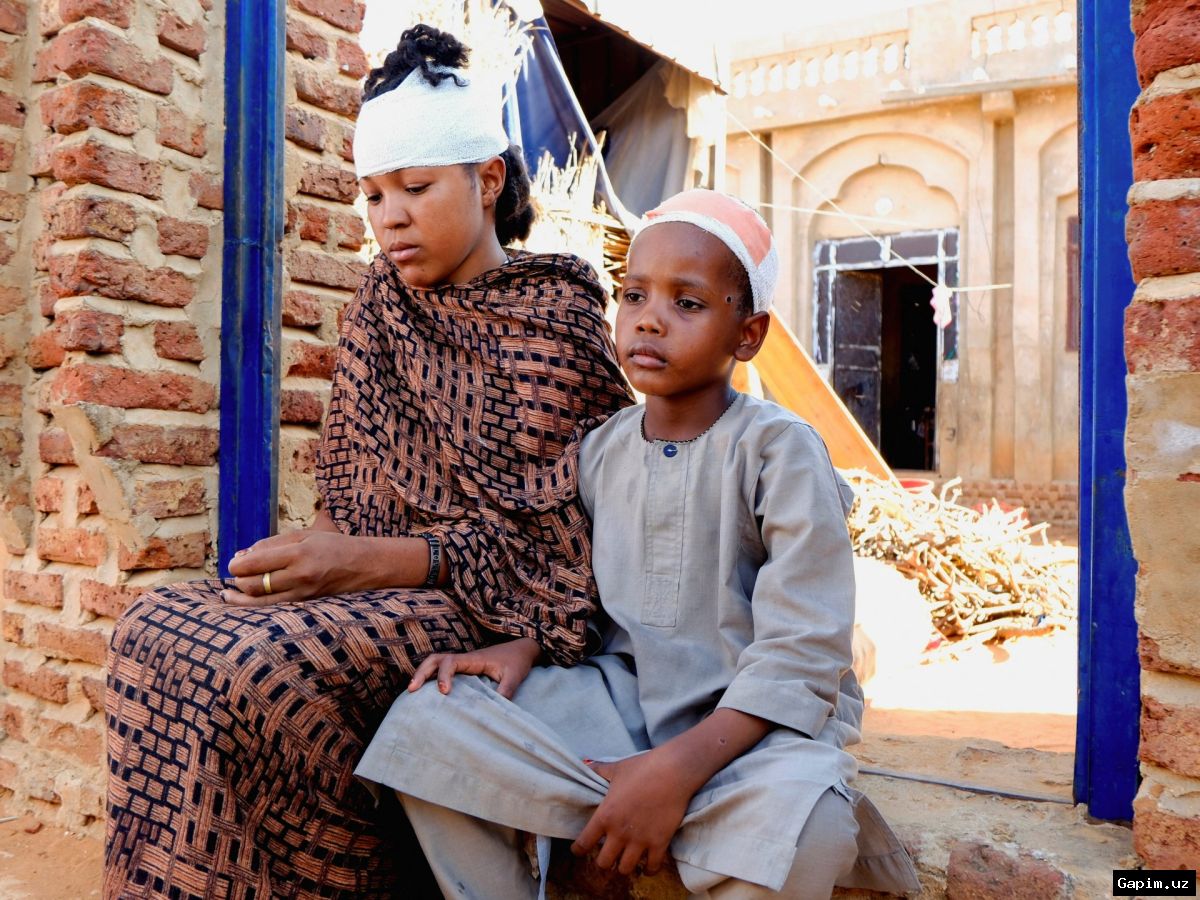
According to Ahmed Awad, a project manager for the children's rights organization Plan International, the city is under siege. Previously home to half a million people, el-Obeid now hosts several hundred thousand displaced individuals. There is a shortage of medical supplies, food, and safe, clean water. Awad described long lines at a single water pump: "Sometimes you can spend all day to get one liter of water for two or three days." Most often, children and teenagers are sent to fetch water.
Awad added that a drone hit a primary school, killing three children, causing trauma among other children, many of whom no longer dare to go to school. "One of the mothers said three of her children cannot sleep because they are always in fear of something happening again," he said. Even when sitting in classrooms, they live with the constant fear that a drone could strike at any moment. Awad and his colleagues at Plan International are working to provide psychological support to affected children.
El-Obeid is strategically important. It is a trading hub in the middle of the desert on the only major route between Sudan's capital, Khartoum (controlled by the Sudanese Armed Forces, SAF), and the western Darfur region, large parts of which are under RSF control. The city is currently controlled by the army, with some 13,000 soldiers stationed there, and has been on the front line since fighting shifted from Darfur to Kordofan at the beginning of the year. The RSF has deployed troops about 30 kilometers beyond the city limits and has been using drones to bomb civilian infrastructure.
Analysts, aid organizations, and the United Nations have warned that the RSF could soon capture el-Obeid. They fear a scenario similar to that which unfolded in el-Fasher in North Darfur in October 2025, when the RSF began by bombing infrastructure before storming the city after an 18-month siege. Earlier this year, a UN Fact-Finding Mission for Sudan presented detailed atrocities in the capture of el-Fasher to the UN Human Rights Council in Geneva and identified "hallmarks of genocide."
"We warn that an escalation of the situation could lead to a repeat of the horrific human rights violations and abuses against civilians that we documented in Al-Fashir," numerous human rights organizations said in a joint appeal. "We are alarmed by the ongoing hostilities around the city, including frequent drone strikes," said Pekka Haavisto, the UN chief's personal envoy for Sudan, in June. "These are already affecting the civilians and disrupting humanitarian aid to the city. Any further escalation of the situation would place thousands of people at risk."
The situation is particularly dire for children trapped in el-Obeid, says Francesco Lanino, deputy country director of the children's charity Save the Children in Sudan. Drone attacks on schools and displacement camps have caused severe trauma. Lanino recently visited the Tawila displacement camp near el-Fashir in Darfur, which was taken over by the RSF in October. There, he encountered children struggling to process what had happened to them. "We met several children who refused to speak afterwards," Lanino said. Many found it difficult to understand why they had experienced such violence. Lanino is concerned about the long-term impact of the conflict: "If these traumas are not addressed, they could seek revenge, because all this stress, all this trauma, could erupt in a new wave of violence."
Sudan's army has launched a new offensive in Kordofan from the capital, Khartoum, and says it has taken control of the 360-kilometer-long highway linking Omdurman, Khartoum's twin city, with el-Obeid. SAF Chief of Staff Abdel-Fattah al-Burhan recently inspected the newly captured areas in North Kordofan by helicopter and congratulated his troops. The advance has reopened supply routes to SAF units in El Obeid. Residents of the previously besieged city celebrated the arrival of army forces, as the immediate threat appears to have receded for now.
However, as they retreated, RSF fighters looted markets and villages in North Kordofan and committed human rights violations against local residents, according to the Sudan Tribune media platform. Last Monday, RSF commander Mohamed Hamdan Dagalo, known as "Hemeti," told commanders in the affected areas they no longer needed to wait for orders from the high command and could instead launch counteroffensives at their own discretion. The move could lead to further attacks on civilians and additional looting.
Source: www.dw.com