Washington, DC – A year after President Donald Trump deployed the National Guard to the nation's capital, residents, politicians, and experts remain divided over the mission's effectiveness and legality.
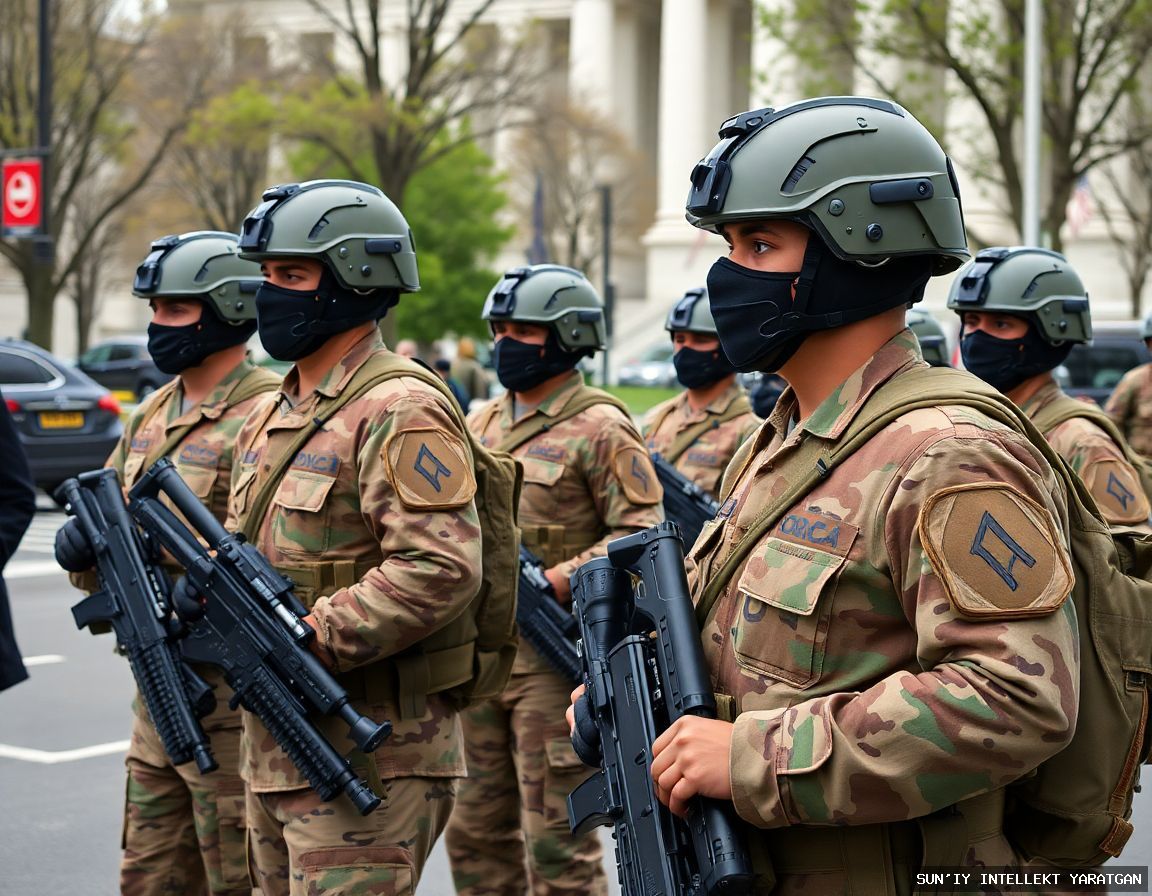
Thousands of troops arrived in August 2025 under Trump's 'Safe and Beautiful Task Force' after he declared a crime emergency in the city. The move sparked immediate backlash, with advocacy group Free DC organizing 11 days of protests, culminating in a demonstration outside the White House against what they call a 'hostile military occupation.'
'I think Trump should let them go home,' said Ybonne Coles, a 60-year-old restaurant worker born and raised in DC, as soldiers patrolled Farragut Square. 'They ain't doing nothing but walking. That money could go towards organizations that really need help.'
Legal challenges have also plagued the deployment. DC Attorney General Brian Schwalb sued the administration in September, arguing the use of military forces for law enforcement violates the Posse Comitatus Act. US District Judge Jia Cobb ordered an end to the deployment in November, but an appeals court stayed that ruling pending litigation.
Mayor Muriel Bowser, whose administration Trump blamed for high crime rates, criticized the deployment's legality: 'We use the Guard for emergencies, not to police local laws.' Despite this, federal officials announced a 'summer surge' of 1,500 additional troops ahead of the 250th anniversary celebrations.
Not all residents oppose the presence. Aaron Taslitz, a 30-year-old teacher and bike courier, said he feels safer with the Guard around: 'For the most part, they've kept things peaceful and tranquil here.' Trump has repeatedly called DC 'one of the most unsafe cities anywhere in the world' and claimed crime dropped by 88% since the Guard arrived.
However, a Niskanen Center report found no significant impact on violent crime, which was already declining. Property crimes saw some reduction, but the effect on 'opportunistic' crimes was limited. 'They're not trained police officers,' said co-author Richard Hahn. 'The best they can be is a sentinel.' Patrols have focused on tourist hubs like the National Mall, while high-crime areas east of the Anacostia River remain largely unpatrolled.
Currently, 4,636 soldiers are deployed, mostly from Georgia, South Carolina, and Mississippi. A Senate investigation raised concerns about eroding public trust, politicizing the military, and privacy risks from surveillance tools like Palantir's Maven Smart System. The ACLU also filed a lawsuit over the violent detention of retired Army Captain Anna King, who allegedly criticized the Guard's presence.
The cost is staggering: the Senate Homeland Security Committee estimates $602 million annually, and the Pentagon plans to keep troops through Trump's term, adding another $1.4 billion from October 2026 to January 2029. One Indiana National Guard soldier expressed mixed feelings: 'There were days when I was like, what are we doing here? We're not really doing anything.'
Source: www.aljazeera.com