Saudi Arabia's Ministry of Defense announced that 15 countries have signed a declaration to establish a multinational maritime coalition aimed at safeguarding freedom of navigation through the Bab al-Mandeb Strait, the Red Sea, and the Gulf of Aden. Of these, 13 countries have fully joined the coalition so far.
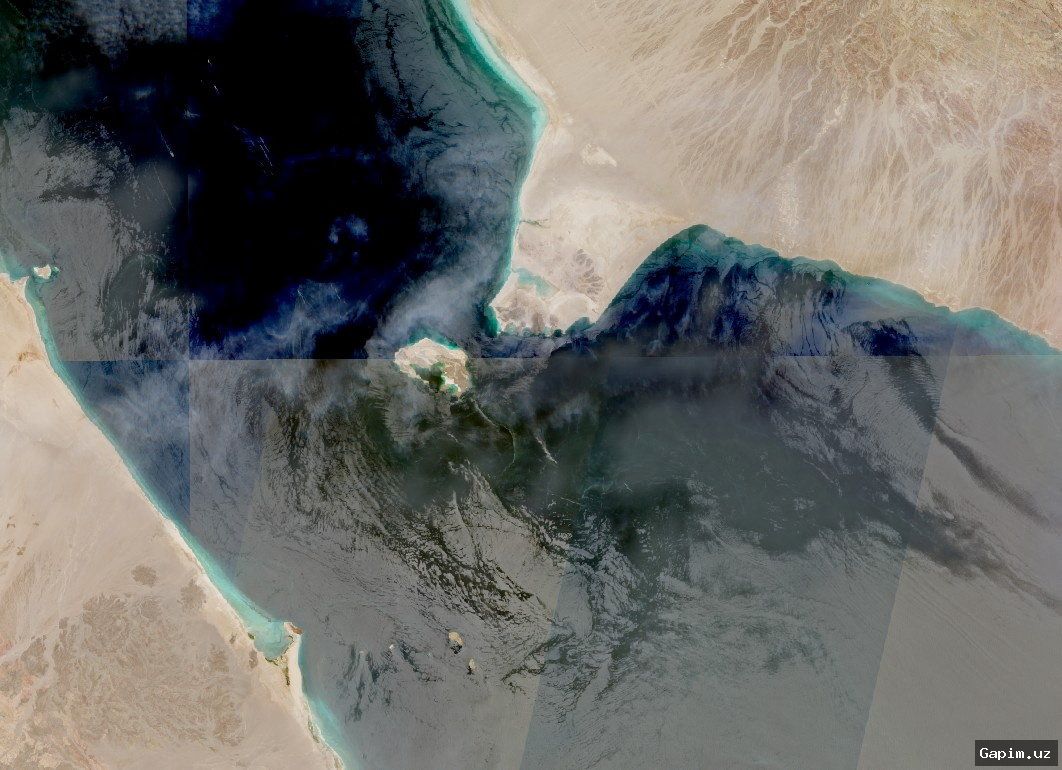
The coalition includes Bahrain, Bangladesh, the Comoros, Djibouti, Egypt, Jordan, Kuwait, Pakistan, Qatar, Saudi Arabia, Somalia, Sudan, Turkiye, and Yemen. The ministry described the coalition as "an open international alliance" that welcomes new members aligning with its goals and principles.
At the third meeting held in Jeddah in August, the coalition's charter was signed, and it officially commenced operations. According to the ministry, member states will exchange information and intelligence, develop operational planning, conduct joint naval exercises, and carry out joint naval operations.
Rear Admiral Abdullah bin Salem Al-Shehri has been appointed as the coalition's commander. He will oversee joint naval defense, coordinate with member states and other maritime coalitions, and execute missions under the coalition's charter.
The formation of the coalition comes as the US-Israel war on Iran continues to disrupt energy and civil infrastructure in the Gulf region. The conflict has also heightened focus on the Strait of Hormuz, whose near-closure is weighing heavily on the global economy.
In recent escalations, Saudi-flagged ships in the Bab al-Mandeb-Red Sea-Gulf of Aden route have come under repeated attacks from Iran-backed Houthi fighters in Yemen. Ahmed Nagi, senior analyst for Yemen at the International Crisis Group, told Al Jazeera that the new maritime alliance could be significant, but its importance will depend on its effectiveness in practice.
Nagi noted that the alliance is an attempt by Saudi Arabia not only to deter the Houthis but also to frame their attacks as a global issue rather than a Saudi one. He emphasized that the coalition is largely defensive, but if attacks continue, Riyadh may decide to respond more directly, potentially using the coalition as a framework for action with broader international backing.
Source: www.aljazeera.com