How to protect entrepreneurs from excessive inspections while simultaneously cracking down on shadow trade became a primary topic of discussion at the latest meeting of the "Taraqqiyot nuqtasi" discussion club, organized with the participation of the O‘zLiDeP party. Government representatives, MPs, business figures, and civic activists gathered to evaluate to what extent current regulations ensure a proper balance between the interests of businesses, consumers, and the overall market.
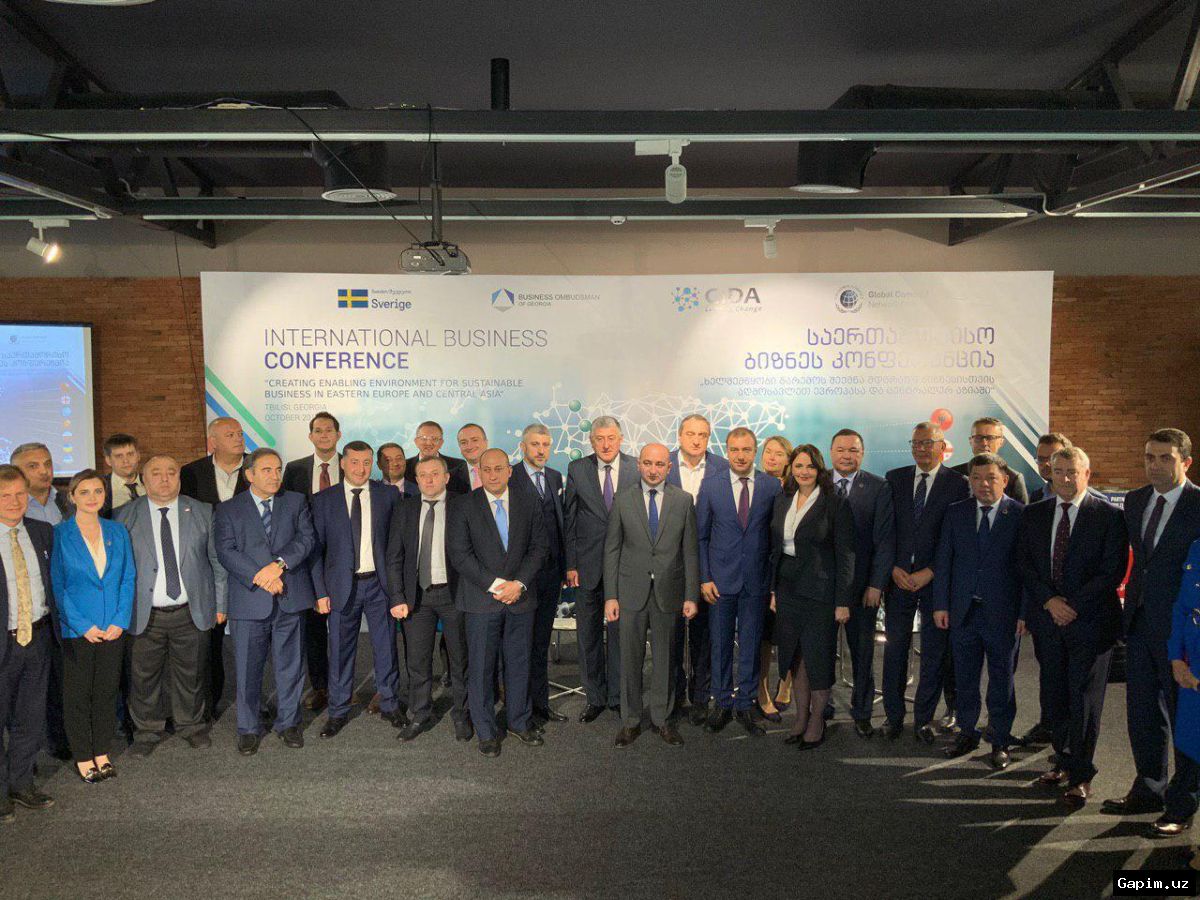
The event was attended by deputies of the Legislative Chamber of the Oliy Majlis, the Business Ombudsman, representatives from relevant ministries, tax and customs agencies, as well as public sector stakeholders. Discussions closely examined the conditions created for entrepreneurship, administrative barriers, financial support mechanisms, the justification of fines, official accountability, and the overall legal stability for prospective investors. * Participants also addressed the difficulties commercial enterprises face when complying with legislative requirements, including cash-free payment procedures. Entrepreneurs urged authorities to take current trading realities and consumer interests, including those of foreign tourists, into consideration. Nonetheless, a major focus of the debate centered on the effectiveness of existing restrictions in combating the shadow economy.
During the sessions, a civic activist raised concerns regarding the alleged illegal sale of restricted or prohibited goods, specifically citing electronic cigarettes and nicotine pouches. According to assertions made at the event, such products purportedly reach consumers through small retail outlets and internet platforms via informal channels.
Further alarming details suggested that sales of these products allegedly occur without verifying the age of buyers, with items sometimes sold individually from open packages. Attendees emphasized that protecting minors and restricting their access to potentially hazardous goods must remain a top priority for state regulatory oversight.
Source: kun.uz