The Netherlands, often dubbed agriculture's 'Silicon Valley', is leveraging high-tech greenhouses and vast data to identify crop varieties that can withstand the impacts of climate change. As the world's second-largest agricultural exporter after the US, the country is focusing on resilience to ensure food security for a growing global population.
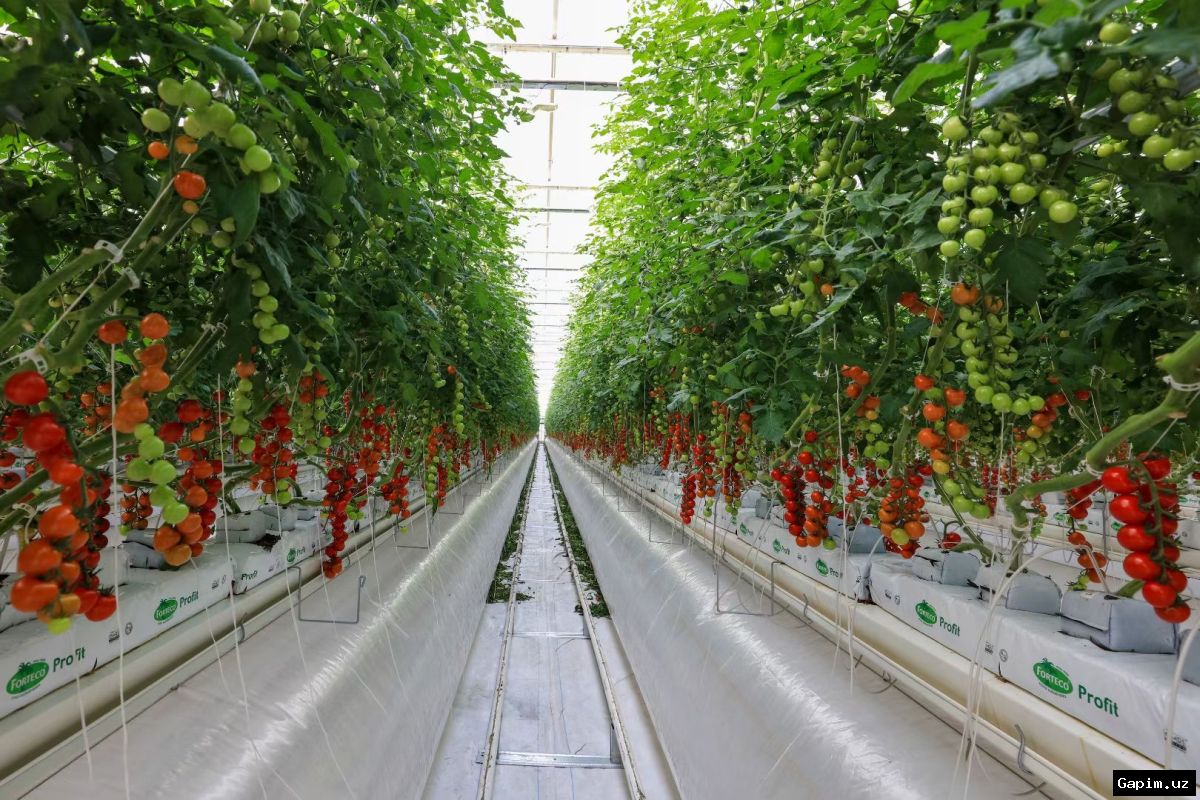
Scientists are testing various crops under controlled conditions to simulate future climate scenarios, including water scarcity and heat stress. This research is crucial for developing strategies to feed 10 billion people with limited resources and unpredictable weather patterns.
In the German city of Kiel, the worst storm surge in over 150 years in October 2023 prompted a rethink of urban infrastructure. City officials are now implementing measures such as cool corridors, green facades, and adaptable sports facilities to cope with more frequent extreme weather events linked to human-induced climate change.
Across Europe, beavers are making a remarkable comeback. Once hunted to near extinction, their population has surged from about 1,500 in 1900 to 1.5 million today, thanks to rewilding efforts. Beavers act as ecosystem engineers, building dams that filter pollutants, mitigate flooding, and recharge groundwater, thereby restoring wetlands and rivers from Spain to Russia.
In Egypt, tourists are being enlisted to photograph sea turtles for conservation. The unique facial markings of these creatures allow researchers to identify individuals and track their health, enabling targeted protection measures such as rerouting boat traffic away from vulnerable areas.
Source: www.dw.com