Hawaii is bracing for its first direct hurricane strike since 1992, as Category 1 storm Lala churns off the coast with winds of 75mph (120km/h). The storm gained hurricane strength on Saturday, threatening to dump up to 25 inches (63cm) of rain on the Big Island and produce a 3-foot storm surge.
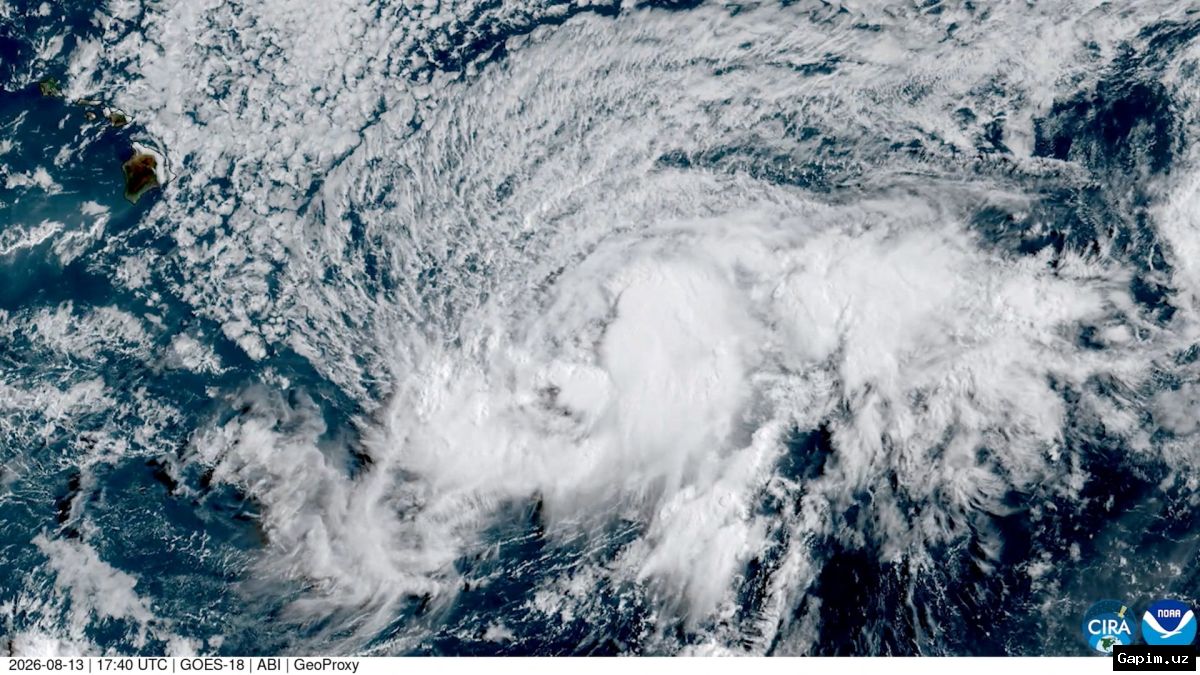
A hurricane warning is in effect for the Big Island, while Maui County, Oahu, Kauai, and Niihau are under tropical storm warnings. Officials have urged residents to prepare for 'life-threatening' conditions, including floods and mudslides. Hawaii Governor Josh Green warned of 'an incredible amount of water' and said damaging winds, heavy rain, flash flooding, and dangerous surf are possible across the state through the weekend.
The storm is expected to make landfall or pass close to the southern tip of the Big Island on Saturday before moving west. According to the Associated Press, the last hurricane to hit the Big Island was 155 years ago. In 1992, Hurricane Iniki, a powerful Category 4 storm, killed six people and caused $3 billion in damage on Kauai.
Dozens of flights have been cancelled. At Ellison Onizuka Kona International Airport, 40% of flights were grounded, while Hilo International saw 80% cancellations, according to flightaware.com. The National Weather Service issued dire forecasts for the Big Island's southeast, warning of major rainfall flooding that 'may prompt many evacuations and rescues' and rivers 'may rapidly overflow their banks in multiple places.'
Local residents have been filling sandbags and checking store hours on Facebook, while Hawaii County's Civil Defense Agency said public shelters are available in every county. The agency urged residents to complete storm-ready preparations and focus on sheltering plans.
The US hurricane season has been relatively quiet in recent years, with the last major storm being Category 3 Hurricane Milton, which hit Florida in October 2024. The National Oceanic and Atmospheric Administration predicts a 55% chance of a below-normal season in 2026.
Meanwhile, the EU's climate monitoring service reported that the world's oceans hit their hottest ever recorded temperatures for July last month, partly fueled by developing El Niño conditions in the Pacific. July was also the joint second-warmest on record globally, with temperatures 1.47°C above the pre-industrial average, according to Copernicus Climate Change Service.
Source: www.bbc.co.uk