Civilians in southern Lebanon are bearing the brunt of a significant increase in Israeli military activity over the past fortnight, according to United Nations peacekeepers.
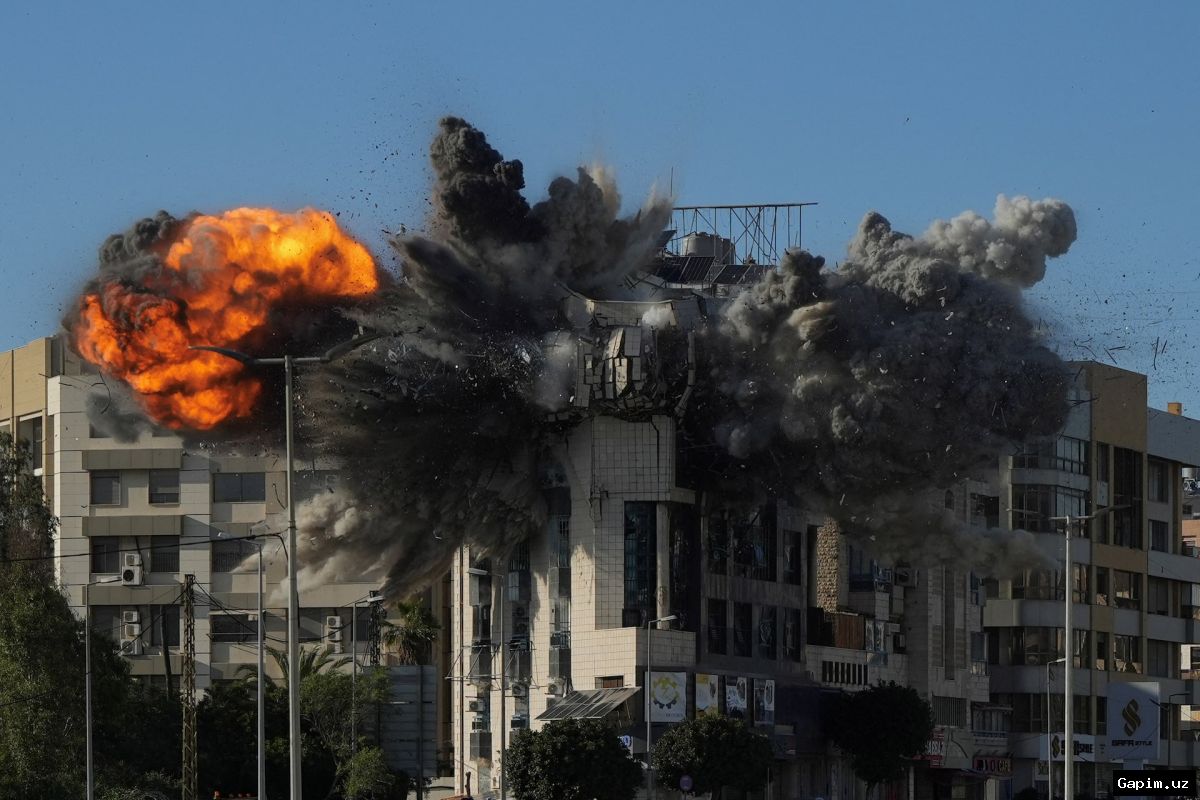
The UN Interim Force in Lebanon (UNIFIL) said in a statement issued on Monday that it recorded an average of 137 projectiles fired per day between August 5-16. The peacekeeping force reported 208 projectiles on Saturday and 185 on Sunday, as tensions continue to rise.
The escalation comes despite the renewal of the June 26 ceasefire agreement between Lebanon and Israel. That agreement, brokered by the United States, is tied to the disarmament of the Lebanon-based Hezbollah group, but did not specifically call for the withdrawal of Israeli forces, which occupy several parts of southern Lebanon.
Hezbollah has rejected the deal, saying it will not agree until Israel withdraws from Lebanon. “As tensions rise, civilians are once again paying the highest price, with many families displaced or forced to change their daily routines because of insecurity and uncertainty,” UNIFIL said.
UNIFIL said its peacekeepers have maintained their presence through patrols, monitoring, removing obstacles from roads, reducing risks posed by explosives and facilitating access for humanitarian aid. It added that UN Security Council Resolution 1701 remains the basic framework for restoring stability in southern Lebanon.
Adopted in 2006, Resolution 1701 calls for a cessation of hostilities between Israel and Iran-backed Hezbollah and for strengthening the deployment in southern Lebanon of the Lebanese army and UNIFIL.
On Monday, Lebanon’s President, Joseph Aoun, voiced support for extending UNIFIL’s mandate and adopting a formula that ensures the continued presence of international forces in the area. UNIFIL’s mandate in southern Lebanon is due to expire at the end of this year amid international debate over the force’s future and mission.
Lebanon’s government in Beirut insists on maintaining UNIFIL’s presence as a key element of stability in the south. Ziad Abu Rish, an associate professor of Middle Eastern Studies at Bard College in the US state of New York, previously told Al Jazeera that Israel wants to escalate strikes on Lebanon “to demonstrate an undeterred resolve” to occupy the south and to “pummel” Hezbollah and Lebanese civilians.
“It is clear that the Israeli policy has been to collectively punish the Lebanese population and in particular Shia-majority parts of Lebanon and south Lebanon as it wages a campaign, not just against Hezbollah, but against the Lebanese people,” said Rish.
As part of the June 26 framework deal, Israel agreed to withdraw from large areas of southern Lebanon it is occupying after the disarmament of Hezbollah, with the Lebanese army moving in to provide security near the Lebanese border with Israel. That has not happened and the Lebanese and Israeli governments have been negotiating, with a seventh round of talks held earlier this month.
The death toll since March 2 from repeated Israeli assaults on southern Lebanon rose to 4,346 after 11 people were killed on Saturday in two separate Israeli air raids.
Source: www.aljazeera.com