Shortly after the fall of Syrian President Bashar al-Assad in December 2024, the new government has been keen to hunt down members of the former regime. Al-Assad and his brother fled the country hours before the capital Damascus fell to the advancing armed opposition, leaving many top officials and military commanders to fend for themselves.
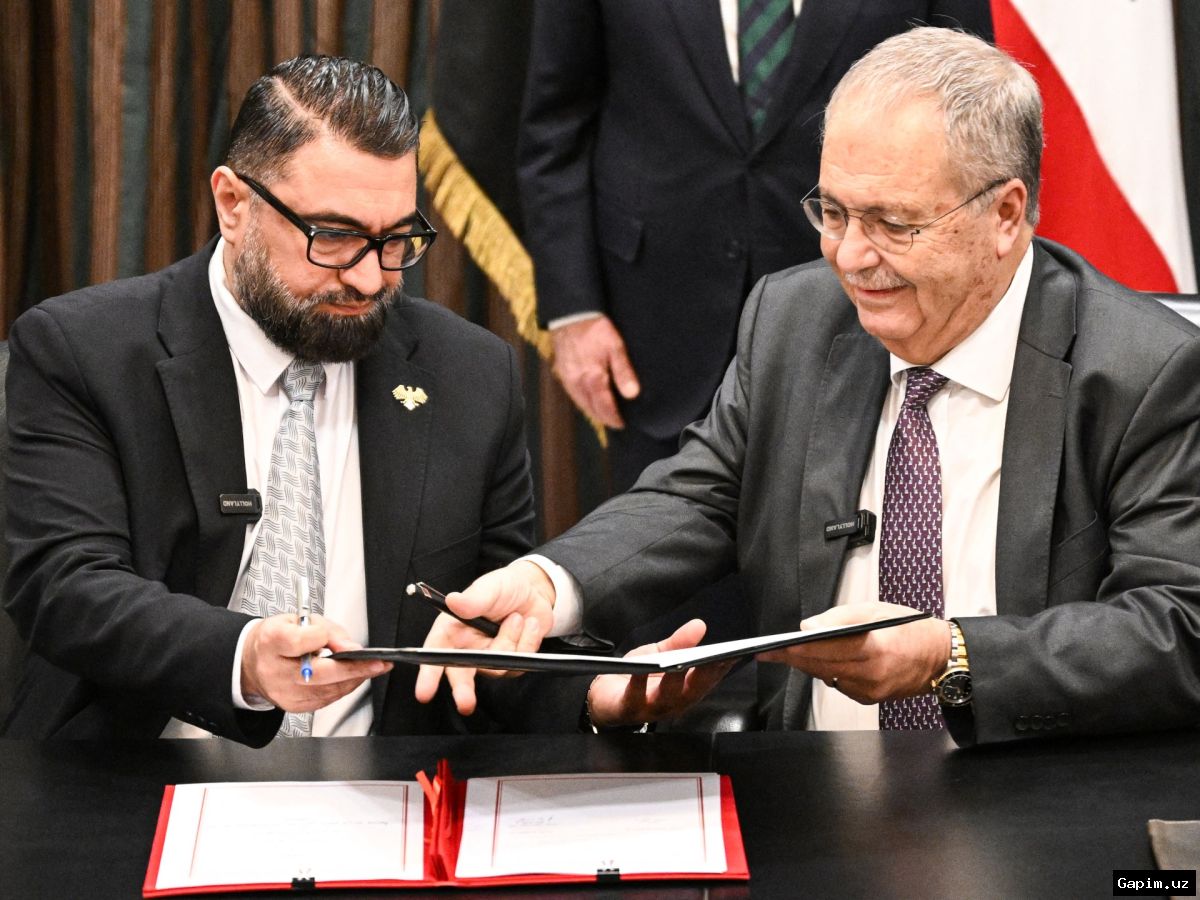
Many of them reportedly fled to neighboring Lebanon, where some top officials were spotted openly in the capital, Beirut. Now the Syrian government is trying to get them extradited for war crimes committed during the uprising that began in 2011.
"We are seeking to boost international judicial cooperation to pursue members of the former regime and extradite them to Syria to complete judicial procedures," Judge Mustafa al-Qassem, an aide to the Syrian justice minister, said in an interview with state television. Former officials felt safe in Lebanon due to their close connections with Hezbollah or their networks with figures in Lebanon's military. Some had built connections over the years, including during Syria's occupation of Lebanon, which ended in 2005.
But that is no longer the case. Adel Issa, a former major general in al-Assad's Syrian Army, was recently arrested in Lebanon after staff at the Syrian embassy reportedly tipped off authorities when he came in to do paperwork. A top Lebanese prosecutor announced on Tuesday that Issa would be extradited to Syria to face trial for alleged crimes committed during his military service.
Last week, al-Assad, his brother Maher, and his cousin Atef Najib were all sentenced to death by a Damascus court. Bashar and Maher al-Assad were sentenced in absentia because they are in exile in Moscow. Their presence in Russia likely protects them from extradition. But the case highlights important issues about remaining regime figures in Lebanon and their potential extradition to Syria.
On December 8, 2024, the five-decade reign of the al-Assad regime ended when Bashar left Damascus for Moscow. Sources with knowledge of the whereabouts of former regime members said top figures, such as the al-Assads or former head of the National Security Bureau Ali Mamlouk, are in Moscow or the UAE. However, Jamil al-Hassan, former head of the Air Force Intelligence Directorate, is thought to be in Lebanon. Last year, media reports suggested that Syria and France have called on Lebanon to arrest and extradite him.
Bassam al-Hassan, a former Republican Guard commander in al-Assad's inner circle, was tracked down to a Beirut apartment by a US broadcaster last year. He had been responsible for procuring weapons and liaising with Syria's chemical weapons program. Syrian and European sources said most former regime officials still in Lebanon are now in Tripoli's Jabal Mohsen neighborhood or in parts of the northern Akkar region bordering Syria. Estimates on their numbers are imprecise, as many have moved to third countries or been smuggled back into Syria.
One source said that in the early days after the fall of the regime, former government figures set up training camps in Lebanon's Bekaa Valley, but they have since been shut down by Hezbollah and the Lebanese army. On August 4, Hezbollah leader Naim Qassem said his party was open to a meeting with Syria's leadership. The group fought alongside the al-Assad regime in Syria's war but has said it desires good relations with Syria's new government.
"Russia shelters the family and its fortunes while so far declining to fund a restoration, and Hezbollah, under disarmament pressure, needs calm with Damascus more than it needs a battle on the Syrian front," Nanar Hawach, senior analyst at the International Crisis Group, told Al Jazeera. Syria has been under pressure from the US to intervene in Lebanon against Hezbollah, although experts believe President Ahmed al-Sharaa is aware that such a move could lead to widespread regional unrest and undermine domestic authority.
For years, Syria had a paternal relationship with Lebanon. The Syrian military entered Lebanon in 1976 and occupied large swaths until 2005. The new government has indicated a willingness to have a more balanced relationship with Beirut. To date, no Syrian regime figures accused of atrocities have been returned from Lebanon. Issa's case could be groundbreaking, as many former officials are under sanctions or worked in key roles that contributed to severe crimes.
Earlier this year, Syrian authorities asked Lebanese security forces to hand over more than 200 senior officers who fled to Lebanon, according to a Reuters investigation. Lebanon's parliament has passed a law to abolish capital punishment, making it the first country in the Middle East to do so, which complicates the extradition process. Wadih al-Asmar, president of the Lebanese Center for Human Rights, said Lebanon "cannot, without violating international law and its own law, send back any person to a country where he can face the death penalty." He added that Syria should abolish the death penalty to resolve the situation.
Source: www.aljazeera.com