The Spanish government has reversed its earlier stance and agreed to relocate 500 unaccompanied migrant children from the North African enclave of Ceuta to the Spanish mainland. The decision marks a significant shift in the country's immigration policy.
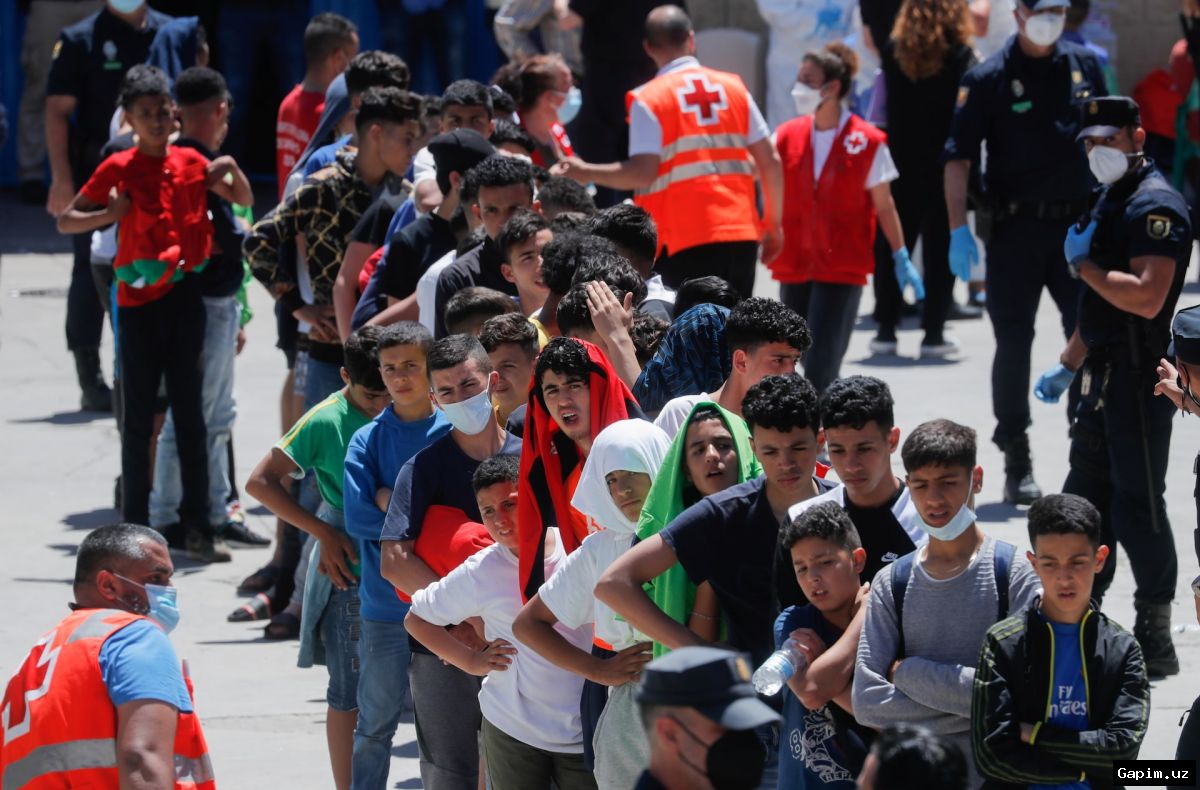
On July 30, an estimated 70,000 people crossed into Ceuta – a Spanish territory on the coast of North Africa – with the majority having returned to Morocco. However, under Spanish law, the state has a duty of care to young, unaccompanied migrants until they reach the age of 18.
On August 13, Interior Minister Fernando Grande-Marlaska had stated: “Anyone who illegally enters Ceuta or Melilla [another Spanish enclave in North Africa] knows they will be sent back because Spain and Morocco work together to this end. They will not reach the peninsula, nor the European continent, nor will they remain indefinitely in Ceuta or Melilla.”
The transfer of the children to the Spanish mainland is a politically sensitive topic, as several regions governed jointly by the conservative People's Party and the far-right Vox are reluctant or opposed to receiving their quota.
To minimize conflict, the youth ministry, in coordination with the Ceuta government, is devising an urgent plan under which NGOs and child protection agencies take charge of the most vulnerable children, particularly girls, without transferring their guardianship to Spain's regional governments.
Rubén Pérez Correa, the secretary of state for children, has been in Ceuta since Sunday in an effort to resolve a situation in which hundreds of children are living on the street and relying on handouts from Ceuta residents.
News of the government's plan came only hours after the European Commission stated that under EU law, all migrants should be returned to Morocco. Asked to clarify, the commission's spokesperson on internal affairs, Markus Lammert, said that by law, all irregular migrants remaining in Ceuta should be sent back, “including unaccompanied minors.”
The People's Party has rejected the government's plan, asserting that the best place for the children is with their families. “If Morocco has asked for the children to be returned and if Europe says the illegal immigrants should all be returned, whether children or not, what more does the government need?” the People's Party deputy finance spokesperson, Juan Bravo, said in a television interview.
The mixed messages partly derive from the fact that the latest European pact on immigration has not yet been incorporated into Spanish law, and therefore Spain's own legislation on the treatment of unaccompanied minors remains in force.
According to Spain's ministry of inclusion and migration, as of last March, 21,104 people aged 16-23 were under state guardianship, of whom about 3,500 were under 17. Approximately 50% were from Morocco. Girls made up about 8% of the total.
Source: www.theguardian.com