As Europe endures another summer of devastating wildfires, the impact is being felt far beyond the usual hotspots. From Spain and France to Portugal, Greece, and Italy, the list of affected countries is long, and this year it includes colder nations such as the UK, Ireland, and Norway. Extreme heat and prolonged drought have created tinderbox conditions, destroying over 6,000 square kilometers of forest and displacing hundreds of thousands of people.
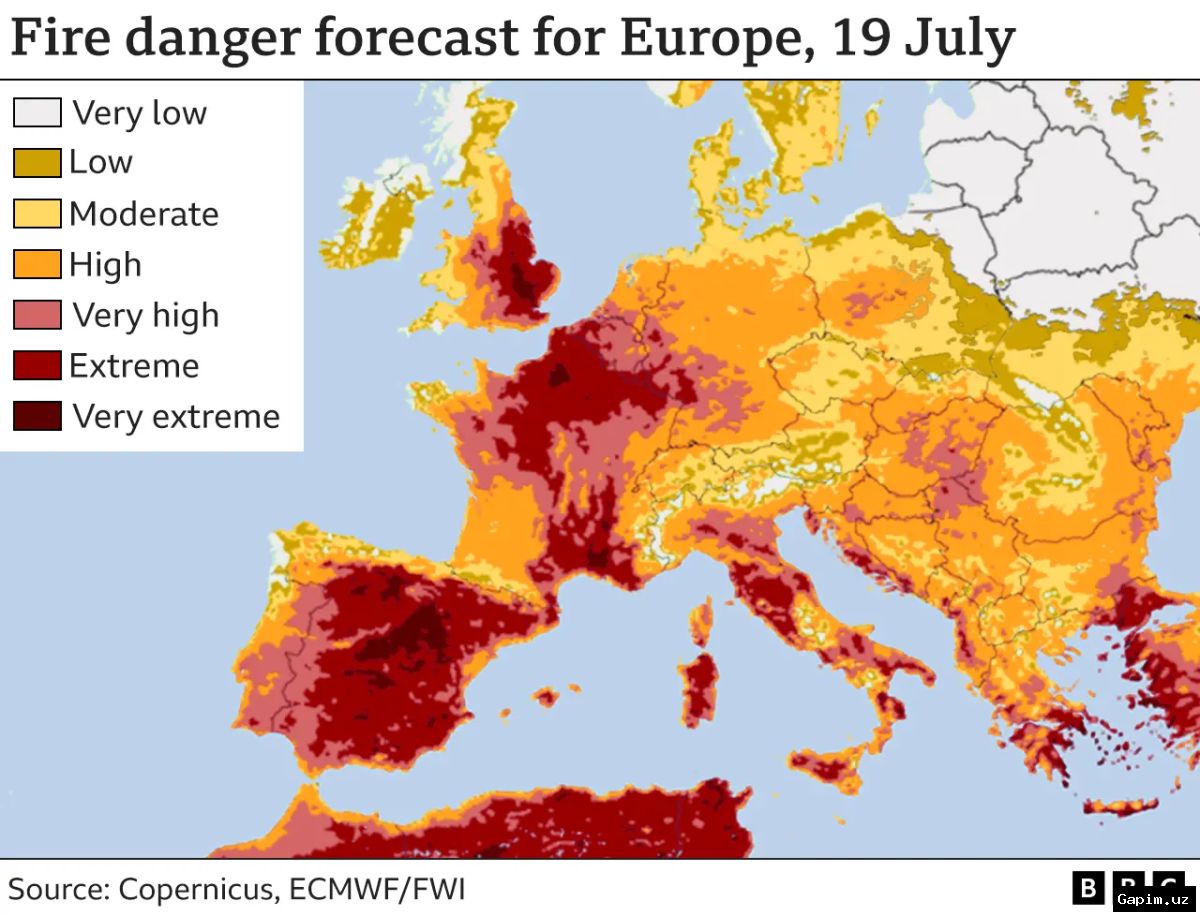
By early August, the estimated cost of the damage had reached €15 billion ($17.5 billion). A new study by the Potsdam Institute for Climate Impact Research (PIK) warns that the coming decades will likely see wildfire risk in Europe escalate. Even with significantly stronger climate action, the researchers found that 39% more land could burn annually by the end of the century compared to today.
Lead author Maik Billing of PIK stated, "If we continue to produce more emissions and global temperatures rise by around 3.6 degrees Celsius, wildfires will become much more frequent, especially in the Mediterranean region and across large parts of western and central Europe." The international community originally agreed to limit global warming to 1.5 degrees Celsius, but countries are still falling short on their climate targets, and the effects are becoming increasingly visible.
Thomas Hickler from the Senckenberg Society for Nature Research, a co-author of the study, emphasized that Europe is not powerless. "We see fire-conducive conditions increasing, so we need to invest more," he said. Improved wildfire management, better training and equipment for emergency responders, and stronger coordination between forestry authorities and fire services can make a substantial difference. The European Union has allocated around €2.1 billion for forest and wildfire management programs in member states from 2021 to 2027.
However, the study argues that significantly stronger climate action is essential for long-term control. Co-author Kirsten Thonicke of PIK warned, "Climate change could create conditions so extreme that we reach the limits of what is still feasible in preventing and fighting fires once they grow beyond a certain size." Meanwhile, wildfires have been burning for days in western Germany and neighboring Belgium, with the High Fens region—a cross-border forest and wetland area—seeing around 3,000 hectares scorched, marking Belgium's largest wildfire in decades.
Wetlands like marshes and raised bogs may seem safe from fire, but when they dry out during droughts, their peat soil becomes highly vulnerable. Peat fires smolder underground, releasing large amounts of smoke and hazardous pollutants, including mercury. They are extremely difficult to extinguish and can persist for months. The 1997 Indonesian peat fire, which affected roughly 100,000 square kilometers, is considered one of the largest environmental disasters of the 20th century, releasing between 13% and 40% of global emissions that year.
For Europe, the study delivers a clear message: if global temperatures continue to rise as predicted, improved wildfire management may help limit the danger but will not be enough to eliminate it. Urgent climate protection measures and increased investment in fire prevention are critical to mitigating the growing threat.
Source: www.dw.com