US President Donald Trump has insisted that his military maintains control over traffic through the Strait of Hormuz, and suggested that the US might even seek to take charge of the territory. He also claimed that the strait is open for vessels, despite Iran's insistence that it is closed to ships without Tehran's approval, and despite the US naval blockade targeting Iran-linked vessels.
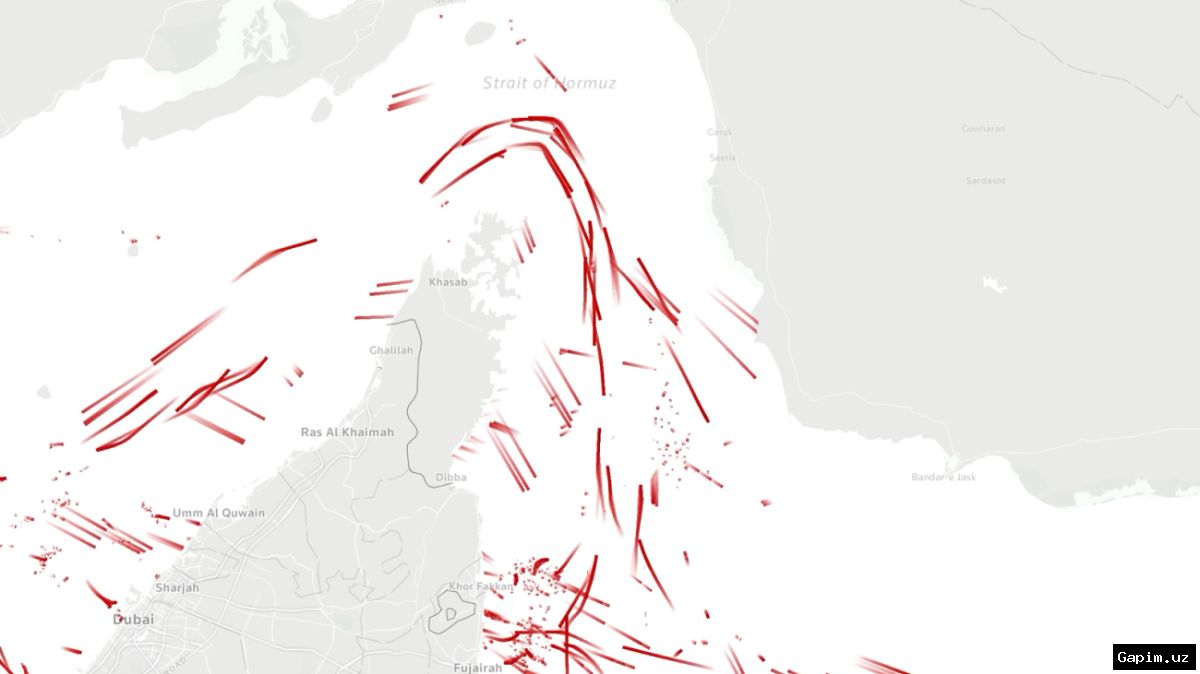
Trump has also threatened to bomb Oman, a US ally across the strait, in an apparent attempt to dissuade Muscat from striking a deal with Tehran to jointly manage the waterway. Before the war, the strait was a single waterway, but now it is split into two main routes: the northern Iranian route and the southern Omani route, which Washington insists on for commercial carriers under US naval protection.
Data from maritime intelligence firm Kpler shows that between August 1 and 19, 112 vessels carrying crude, LPG, and LNG passed through the strait. Of these, 21 openly used the Iranian route, and only two used the Omani route. The remaining 89 vessels (over 80%) went dark or used unclassified routes, often by switching off their Automatic Identification System (AIS) transponders to avoid detection.
In total, 236 ships transited the strait, with 83 openly using the Iranian route, only three using the Omani route, and two using the old central route. The majority, 148 ships, went dark. This trend is driven by the risk of attacks from both sides, as Iran and the US have bombed vessels violating their rules. For example, the UAE accused Iran of attacking an ADNOC tanker, and the US fired on a Panama-flagged vessel attempting to reach Iranian ports.
Experts say that switching off transponders reduces visibility but also raises safety concerns. Some operators believe the commercial benefits outweigh the risks. Additionally, ships may go dark to conduct ship-to-ship transfers, allowing them to evade sanctions and blockades. This makes it difficult to determine who truly controls the strait.
Despite the US blockade, a fifth of energy-carrying ships openly used the Iranian route, suggesting that fear of Tehran outweighs Trump's threats. Iran retains significant capacity to disrupt maritime traffic, but this situation is unsustainable for global oil markets. The crisis has driven oil prices up, with Brent crude rising from $66 to over $100 per barrel, and currently standing at $92.9. The Strait of Hormuz is critical, as it handles one-fifth of the world's oil and LNG supplies.
Source: www.aljazeera.com