️ Ratko Mladic, the Bosnian Serb commander known as the 'Butcher of Bosnia' for his role in the Balkan wars of the 1990s, has died in prison at the age of 84. BBC special correspondent Allan Little, who covered the breakup of Yugoslavia and met Mladic early in the Bosnian war, reflects on the horrors of that conflict.
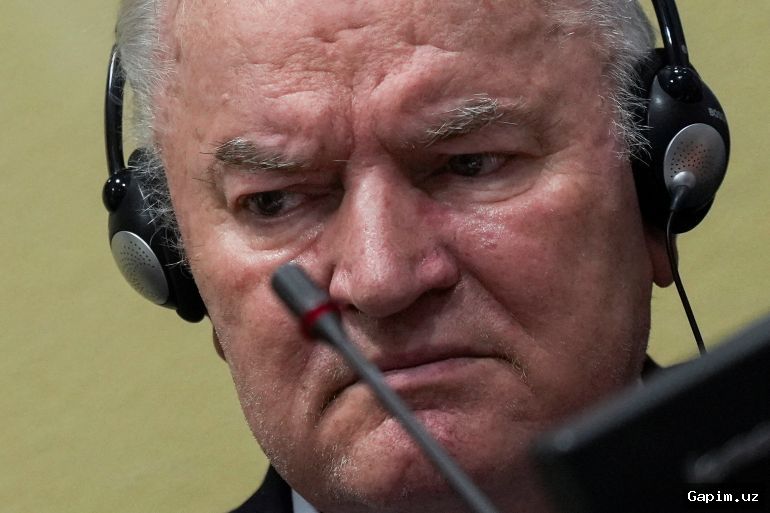
️ Little recalls nights lit by the fires of ethnic cleansing, and villages where men moved silently in the shadows, armed with ancient weapons. One morning, he witnessed a procession of 40,000 people emerging from a forest, driven from their homes. Among them was an 80-year-old man who had lost his wife. When Little asked if he was a Croat or a Muslim, the man replied, 'I am a musician.'
️ That answer, Little says, revealed the tragedy of reducing people to ethnic labels. He met Mladic at the Lukavica barracks near Sarajevo, where weapons were cheap and paramilitaries strutted. Mladic, gripping Little's hand, proclaimed himself a defender of brotherhood and unity, dreaming of a world without guns. Little saw him as dangerously fanatical.
️ In the years that followed, Mladic's forces committed the worst war crimes in Europe since the Nazis: ethnic cleansing, mass murder, rape, forced expulsions, and the burning of villages. At Srebrenica, they committed genocide. Little's cameraman, 25-year-old Tihomir Tunukovic, was killed by a Serb sniper. Little drove his body back to Split and mourned at his funeral.
️ Mladic's death brings renewed attention to the suffering of his victims and the enduring scars of the Balkan wars. Little's account serves as a poignant reminder of the human cost of ethnic hatred and the importance of remembering history's darkest chapters.
Source: www.bbc.co.uk