The death toll from the catastrophic flash flood in the Himalayas has climbed to 469, with more than 1,000 people still missing, according to Nepal police on Friday morning. The figure rose from 390 a day earlier, while China has not updated its initial count of three deaths in Tibet.
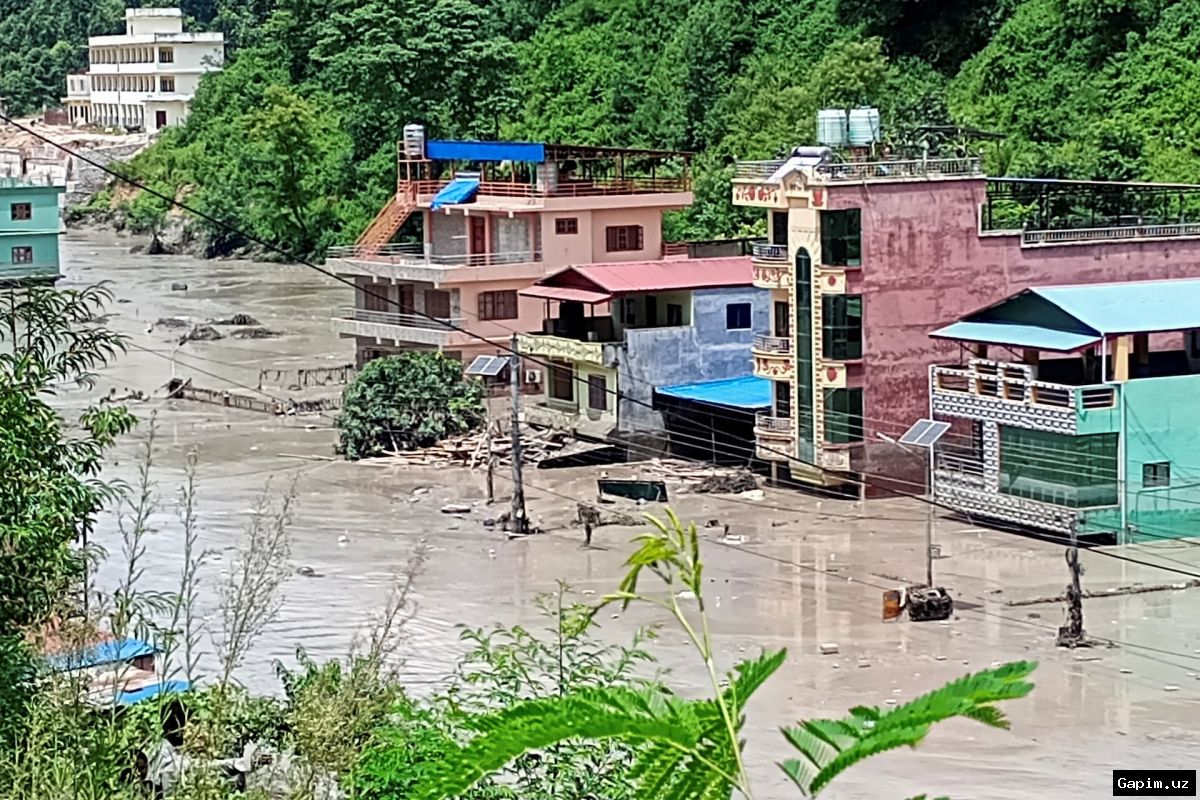
The two countries reported that up to 540 foreigners from over 30 countries are among the missing. The disaster, triggered by a glacial collapse on Wednesday, sent a torrent of rock and meltwater into rivers below, devastating the border region between Nepal and China.
Compounding the tragedy, Chinese authorities are warning of a new threat: a barrier lake formed by debris dams upstream. The Ministry of Water Resources said the lake held approximately 2 million cubic meters of water as of Thursday, with an additional 3 million cubic meters expected over the next three days — equivalent to about 1,200 Olympic swimming pools. Peak flow is anticipated around September 1.
According to state broadcaster CCTV, the barrier sits more than 10 kilometers from Gyirong Port, the border crossing engulfed by the initial flood, at an elevation roughly 1,000 meters higher. An eight-member engineering team has been mobilized to survey the lake by air and construct 3D models of the site.
Engineer Chen Hanxiao described the challenging terrain: "After the glacier collapse created the lake, many isolated cliffs and steep cliffs appeared along it," he told CCTV. The team's strategy is to dig a drainage channel at a lower point of the dam, though its exact dimensions will depend on calculations of water flow and the lake's filling rate.
The survey found the lake to be about 150 meters long and 40-50 meters deep. Continuing rain, forecast through the coming week, has further destabilized the surrounding soil and rock, raising concerns of additional landslides and flooding.
Source: www.dw.com