The fate of Lindsay Clancy, the Massachusetts mother accused of murdering her three children, now rests with a jury of nine women and three men, who completed their first day of deliberations on Thursday and will resume on Friday. The five-week trial has gripped the nation, highlighting the complexities of postpartum psychosis and criminal responsibility.
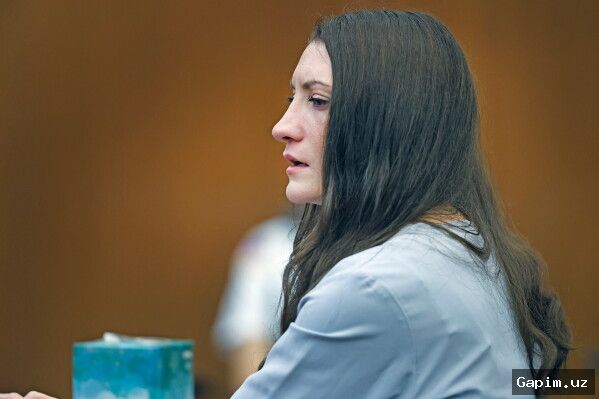
Clancy does not deny killing her children — an eight-month-old daughter, a two-year-old son, and a five-year-old son — with exercise bands at their home in Duxbury, and then attempting suicide by jumping from a window. Her defense team argues she was suffering from postpartum psychosis, a rare and severe mental illness, and was not in control of her actions. The prosecution contends the killings were premeditated and intentional.
In closing arguments, defense attorney Kevin Reddington told the jury, "This young lady is not guilty of the killing of her children because she was suffering from a disease and defect." He expressed confidence that prosecutors could not prove otherwise. The judge intervened when Reddington directly addressed prosecutors, ordering him to speak only to the jury.
Prosecutor Jennifer Sprague acknowledged Clancy's mental illness but argued she could distinguish right from wrong at the time of the killings. "It's not the system or the DSM that caused her to strangle her kids," Sprague said, referring to the Diagnostic and Statistical Manual of Mental Disorders. She also noted that Clancy had an "abundance of care" but concealed homicidal thoughts from her doctors.
The jury's options include a first-degree murder conviction, which carries a mandatory life sentence without parole in Massachusetts; second-degree murder, which involves malice but no premeditation; or involuntary manslaughter. If found not guilty by reason of insanity, Clancy would be committed to a psychiatric hospital, potentially for life.
The case has sparked national conversations about maternal mental health, with experts emphasizing that postpartum psychosis is a medical emergency requiring immediate treatment. The verdict is expected to set a precedent for how such cases are handled in the U.S. legal system.
Source: www.bbc.co.uk