Six months into the US-Iran conflict, the situation is not the humiliating quagmire critics of the Trump administration insist upon. Instead, President Trump has charted a new and far more patient strategy that is making steady progress towards his objectives. The quick victory initially envisioned by destroying the regime's military power has given way to a slow and consistent tightening of the noose aimed at denying the Iranian regime the economic oxygen it needs to survive.
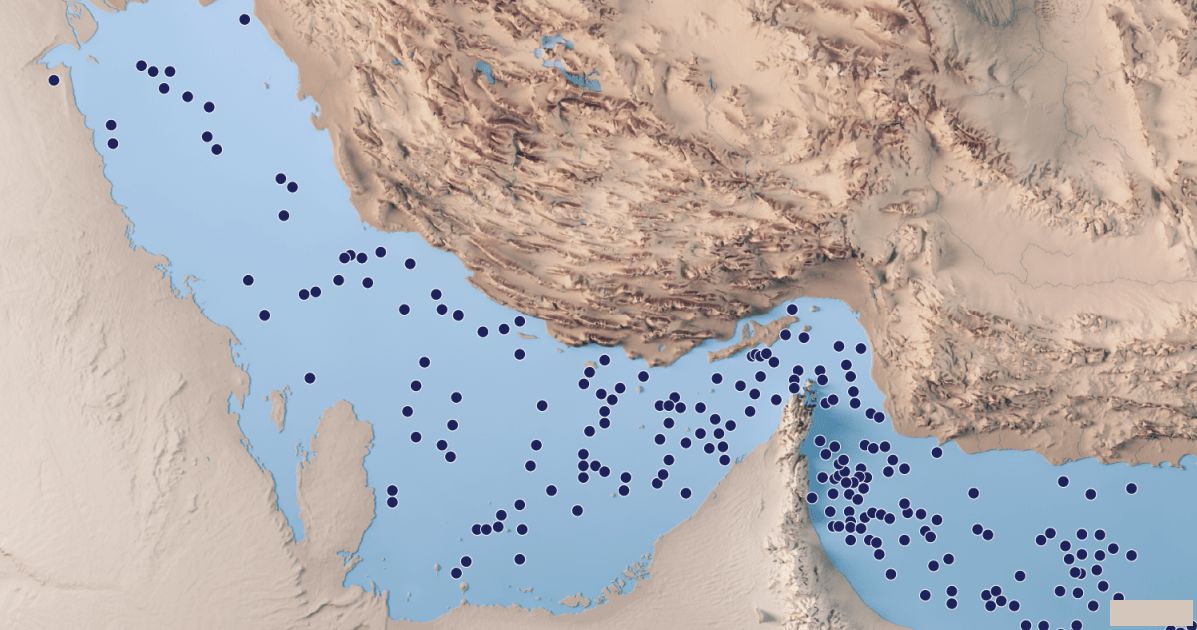
Start with what the Trump administration's critics refuse to credit: Iran's grip on the one asset it was counting on to make this war unwinnable for Washington is visibly slipping. Kpler data now show that Iran's declared northern route accounts for only a minority of tanker traffic, with more than 80 percent of crossings classified as dark or unknown and some vessels using alternative routes, including the US-backed Omani southern corridor. Iran's own oil exports through the Strait have collapsed as a consequence of the US naval blockade.
The more important test, the one this war was actually fought over, is Iran's nuclear programme, and here the record is genuinely mixed. The June 2025 strikes on Natanz, Fordow and Isfahan appear to have caused genuine damage: Iran's main capacity to convert enriched uranium into the metallic form needed for weaponisation has been destroyed, while its centrifuge manufacturing base has been substantially degraded. But Iran has meanwhile continued construction and hardening work at Pickaxe Mountain, a deeply buried complex that analysts say could eventually be used to reconstitute elements of its centrifuge or enrichment programme.
The collapse of the June Memorandum of Understanding is being read by the Trump administration's opponents as an admission of failure. For Washington, Iran's continued activity at Pickaxe Mountain, alongside its attacks on shipping, confirmed that Tehran was not honouring the bargain. On that reading, the only intelligent response is to say so publicly and treat the document as worthless.
At six months, it would be foolish to recast this conflict as a victory for the Trump administration; it has clearly not yet accomplished its original goals. The economic toll on the rest of the world has been real, including a major disruption to global oil supply along with Iranian military assaults on 11 countries across the region. Iran's own economy has been devastated: Poverty has risen sharply, its currency is nearly worthless, natural gas output has been severely reduced, and trade with China has cratered.
That is precisely why President Trump's recent shift, deliberately stepping back from further military strikes in favour of sustained economic strangulation, should be read as strategic patience rather than drift. Two prior attempts at a negotiated pause, in April and in June, collapsed because Iran demonstrated once again that it would not negotiate in good faith. A renewed attempt to negotiate an end to the conflict, backed by a tightening naval chokehold on the Strait of Hormuz, a dramatically expanded sanctions campaign and the credible threat of a strike on Pickaxe Mountain if construction continues, would give Washington a fundamentally stronger hand.
The Trump administration's path forward is neither the swift, decisive victory some envisioned nor the endless morass critics predicted. It is the harder, less satisfying work of turning wartime cooperation with Gulf partners into a more durable security architecture, establishing the Omani corridor as a viable alternative to Iran's northern route and making unmistakably clear that continued construction at Pickaxe Mountain will be met with the same resolve that devastated Iran's enrichment programme a year ago. Six months into the conflict, the US has not won this war, but it has made winning it, at last, a realistic prospect.
Source: www.aljazeera.com