At Tribhuvan University Teaching Hospital in Kathmandu, Loknath Chaulagain is searching for his 23-year-old nephew Sudarshan. A bus conductor, Sudarshan was waiting at a checkpoint in Timure, a town bordering Tibet, when a flash flood struck the region on Wednesday. His family says a phone call went through to his number at 9:54 am local time – after the flood hit – but Sudarshan did not answer. Since then, his phone has been unreachable.
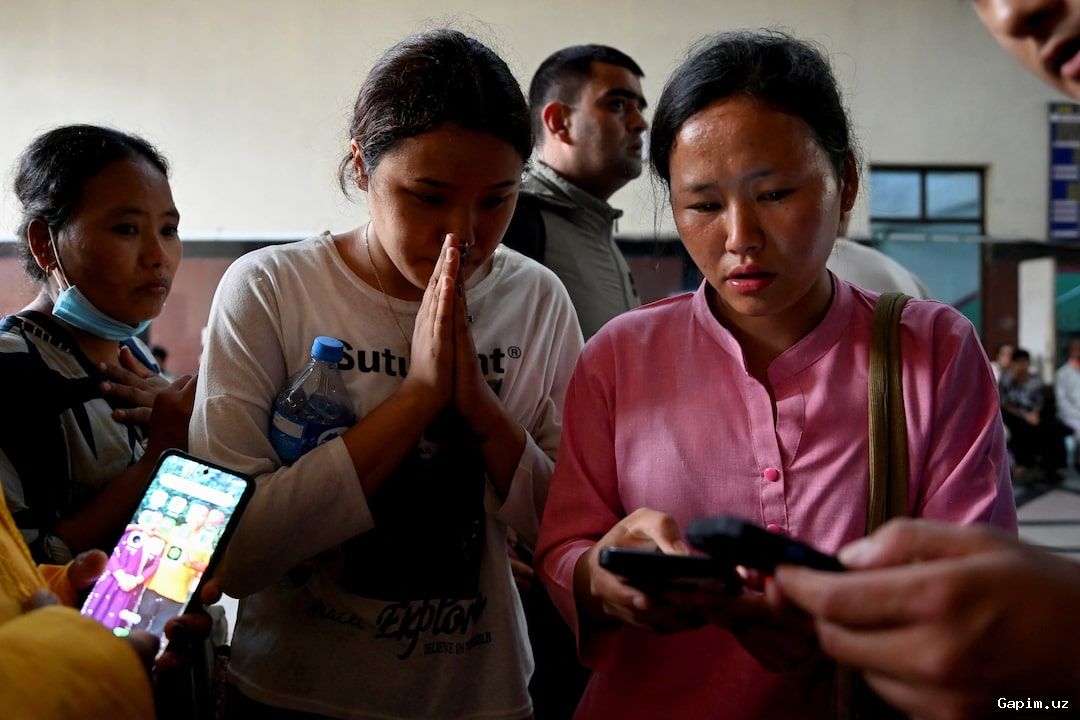
The family has been searching for him near the flood-hit areas and now in Kathmandu’s hospitals, where some survivors have been brought. But so far, they have had no luck. They are not alone. Thousands of families in Nepal are stranded between hope and fear: hoping for an impossible miracle while dreading the worst.
Two days after the flash flood swept away much of what lay in its path along the Bhotekoshi River in the northern Himalayan region bordering Tibet, the full scale of devastation is yet to be ascertained. The death toll is rising, with nearly 500 bodies recovered. The missing toll is well over 1,000 and expected to rise further.
The wall of water, ice, and mud that surged downstream on August 26 caused maximum damage to Timure, Rasuwagadhi, and Syabrubesi in the higher Rasuwa district near the Tibetan border. Downstream, it washed away buildings, electric poles, bridges, markets, homes, and vehicles in Trishuli and Nuwakot.
The usually bustling Trishuli market is now covered in mud and debris. Locals, including many Indians who have made the area their home for years, plead with relief workers to take them to their destroyed homes in earthmovers to retrieve whatever remains of their belongings. Helicopters whirred nonstop on Wednesday and Thursday, trying to rescue people trapped under rubble or find those washed away.
At Tribhuvan University Teaching Hospital, people plaster posters with photos and contact details of missing loved ones on walls. Hospital pillars bear lists of the admitted, the critical, and the dead: five-year-old Ishara Tamang in pediatric surgery; 30-year-old Tej Bahadur Tamang in the ICU; 25-year-old Kusal Magar, listed as dead.
Among the searchers is Sohan, who declined to speak on camera. He is looking for his 42-year-old father, Gyan Bahadur Rana Magar, who went as a guide with Indian tourists to Rasuwa. “I am too exhausted to talk. We have been running from one place to another. Of course, we have to keep our hopes alive. How can we let go of hope?” he asks.
When lists offer no answers, families head to the mortuary, where photos of some recovered bodies are glued to the gates. Many bodies are dismembered. Lal Kumari, dressed in a red saree and traditional pothe necklace, desperately searches for her husband Arjun Shrestha, a tourist van driver in his late 40s, swept away in Rasuwa. “I am praying hard,” she says. “Every time our phones ring, we hope for good news. We have not slept at all in the last three days.”
Source: www.aljazeera.com