According to financial results for the first nine months of 2026, Uzbekistan's largest automotive manufacturer, UzAuto Motors, experienced a severe downturn in its financial performance. The company's net profit plummeted by nearly half compared to the same period last year, reaching 1.8 trillion soms. Industry analysts attribute this negative shift to weakening domestic demand, growing competition from alternative vehicle types, and a significant accumulation of unsold inventory at factory warehouses.
Key Takeaways: UzAuto Motors reported total revenues of 30.1 trillion soms for the January–September 2026 period, marking a 13% decline from 34.7 trillion soms the previous year. Net profit dropped from 3.5 trillion soms to 1.8 trillion soms, while the total value of unsold Chevrolet vehicles piling up in storage facilities reportedly surpassed hundreds of millions of dollars.
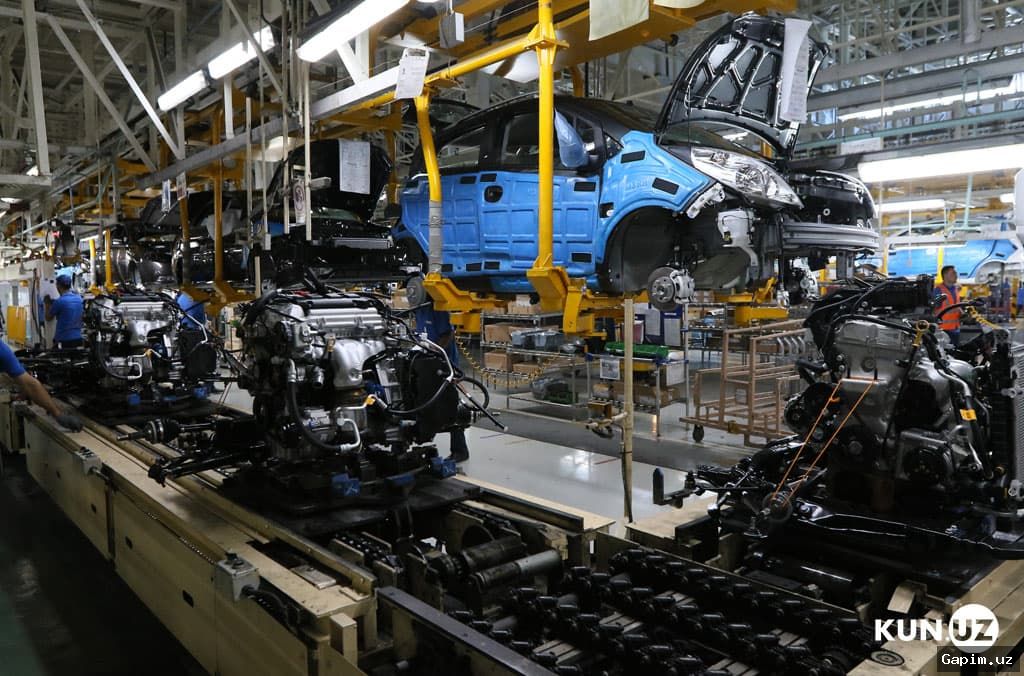
The primary catalyst for the profit contraction is the steep drop in domestic sales for once highly popular models like the Cobalt. Although production volumes for the Cobalt increased by 13.5% in the first half of the year, actual domestic sales decreased significantly as buyers increasingly turned toward electric vehicles, hybrids, and Chinese automotive brands amid rising fuel costs. Consequently, a large portion of the vehicles rolling off the assembly lines failed to find buyers domestically and remained frozen as inventory.
Reports indicate that as of June 30, the value of accumulated, unsold Chevrolet vehicles stored at UzAuto Motors facilities reached approximately $954 million. These sluggish sales figures have forced the company to abruptly alter its long-standing commercial strategy. Whereas the European regime-style or traditional local practices previously required heavy upfront prepayments and months of waiting lists, the enterprise now relies on discounts and zero-interest installment plans to retain wary consumers.
Moving forward, UzAuto Motors will need to thoroughly recalibrate its operational and marketing approaches to navigate the increasingly competitive local landscape. Unless the company successfully addresses consumer shifts toward modern eco-friendly alternatives and adjusts production output, financial pressures and inventory overhang are expected to persist in the upcoming reporting cycles.
Source: kun.uz