Holocaust remembrance within the European region is facing intensifying pressure and mounting public pushback from critics who dismiss historical education as an alleged "cult of guilt" or national masochism. As the window for firsthand testimonies from survivors rapidly closes, curators and historians warn that the foundational consensus regarding the atrocities committed by the Nazi regime is under severe ideological threat.
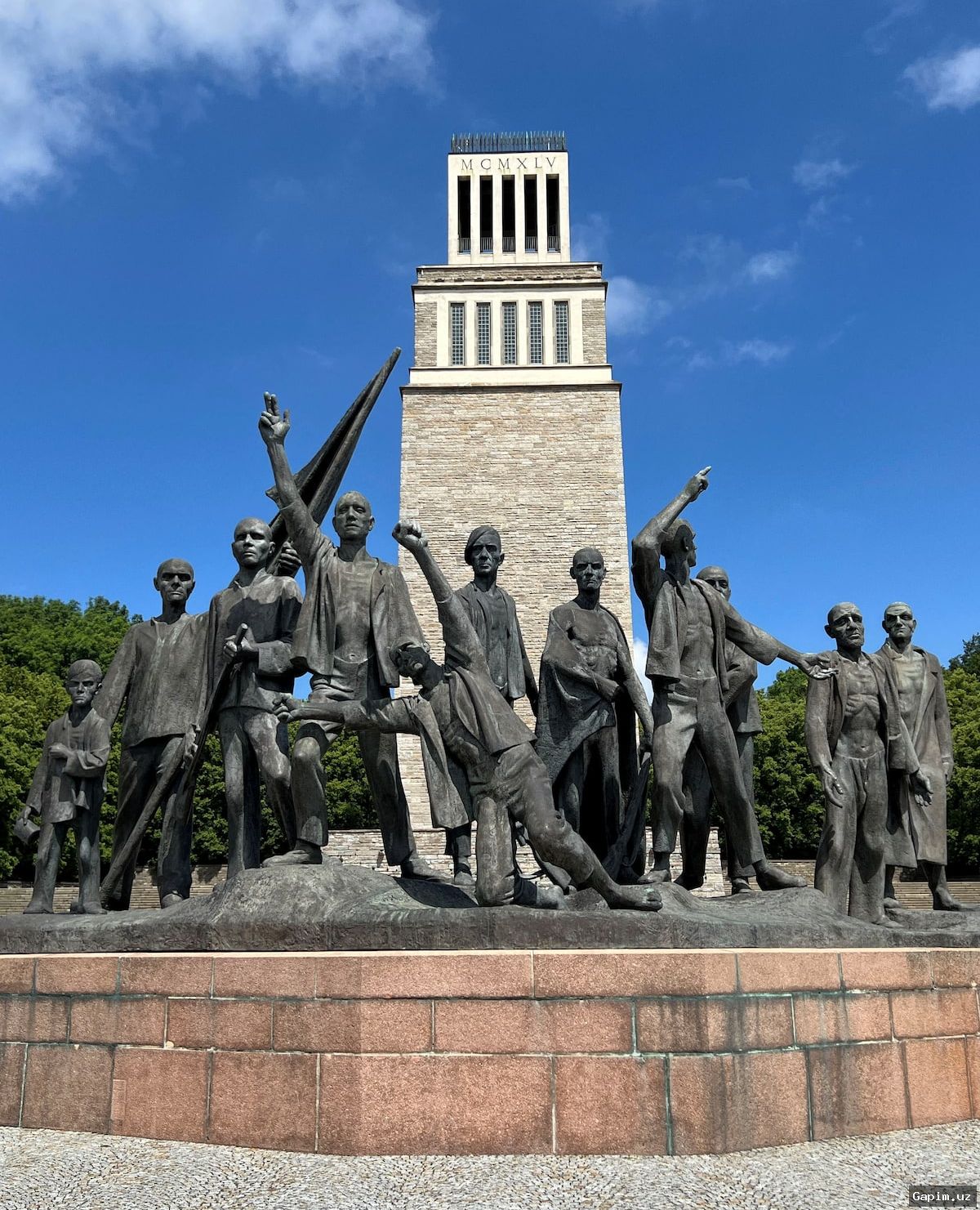
Key Takeaways: A major new exhibition titled "Never Again! Against Forgetting the Crimes of the Nazi Regime" has opened at the Bundeskunsthalle in Bonn to counter historical revisionism. Officials report a troubling rise in public desecrations, social media stunts at concentration camp memorials, and concerted political efforts to downplay wartime crimes.
Instances of extreme disrespect have become alarmingly frequent at memorial sites, according to Jens-Christian Wagner, director of the Buchenwald and Mittelbau-Dora Memorials Foundation. Wagner highlighted incidents where young visitors posed inside crematorium ovens while giving Nazi salutes to post photographs online as provocative trophies. He noted that such actions, alongside the recurring destruction of memorial trees planted for victims, effectively "kills these people a second time."
The broader historical context reveals a widening generational gap, where today's youth view the Nazi era as ancient history. Imposing solemn remembrance without proper contextual engagement often triggers defensive fatigue rather than empathy, as young people feel burdened by historic accountability. To combat this, institutions are shifting toward immersive full-day workshops and drawing parallels between historical marginalization mechanisms and contemporary political debates, such as migration policies.
Providing a vital living link to the past is Eva Umlauf, an 83-year-old Holocaust survivor and patron of the Bonn exhibition. Deported to Auschwitz-Birkenau as a toddler in November 1944 alongside her parents, she was spared from the gas chambers by mere days as the Red Army advanced and the Nazi regime hurriedly sought to conceal the evidence of industrialized mass murder.
Looking ahead, cultural institutions and educators face the daunting task of sustaining historical awareness and democratic resilience as the last generation of direct witnesses disappears, leaving the defense of historical truth entirely to museums, archives, and public policy.
Source: www.dw.com