The United States military has launched a fresh wave of strikes against targets belonging to Iran's Islamic Revolutionary Guard Corps (IRGC), according to CENTCOM, which said the attacks were in response to recent attempts by the IRGC to target commercial shipping in the Strait of Hormuz and American service members in the region.
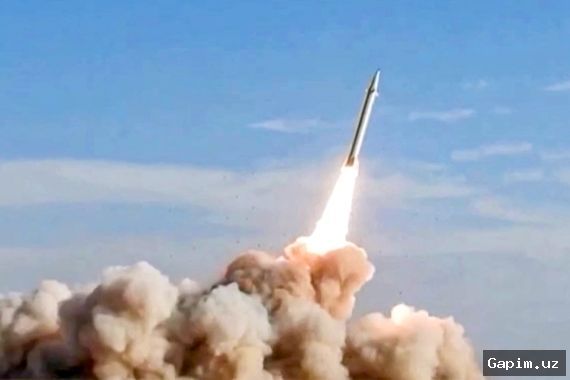
The IRGC quickly vowed to respond, with spokesman Hossein Mohebbi stating, "Severe punishment awaits the aggressors, and America will regret its new attacks." This raises the risk of a new cycle of fighting, as Iran has previously retaliated against US bases in the region.
Iranian semi-official news agency Tasnim reported explosions in the south of the country, including in Konarak, Bandar Abbas, and Qeshm Island. US President Donald Trump described the strikes as "large and powerful" and warned Iran against responding, saying in a social media post that if Iran retaliates, it will be hit again "at a much harder and higher level," and that "when it is over, there will be very little left of the Islamic Republic of Iran!"
The US State Department urged Americans in the Middle East to remain alert and prepare for travel disruptions, warning of "the potential for unforeseen escalation." It noted that "Iran and groups supportive of Iran may target U.S. interests overseas or at locations associated with the United States."
Tuesday's strikes follow an exchange of attacks on Sunday, when the US military struck Larak Island in southern Iran and Tehran retaliated with missile launches against a base housing American troops in Jordan. Trump had promised to hit Iran "hard" in response.
The fighting marks the first direct attacks between the two countries since July. The Trump administration had previously said it was shifting from military strikes to intense economic pressure on Iran, including a naval siege on Iranian ports and secondary sanctions on Tehran's trade partners.
However, Iran continues to assert control over Hormuz, a major artery for global energy trade. Despite the blockade, Trump and his aides claim the US is managing to get millions of barrels of oil through the strait daily. Still, attacks on ships around the strait have been reported almost daily, with the UK Maritime Trade Operations reporting on Monday that an oil tanker was hit by three "unknown projectiles" while transiting through Hormuz.
The crisis has sent energy prices soaring, with the price of a barrel of oil jumping by more than four percent after Tuesday's strikes. In the US, the average cost of a gallon of petrol is now over $4, up from less than $3 before the war.
Source: www.aljazeera.com