Seated on a modest wooden chair in a small Omdurman home, Hassan Saber Jumaa, a senior administrator of the Zamzam displacement camp in Sudan, scrolled through his device searching in vain for any surviving images of the once-sprawling settlement. He explained that his belongings, including his phone, were looted during an assault by armed factions, leaving him with only memories of the hundreds of thousands who once sought shelter there.
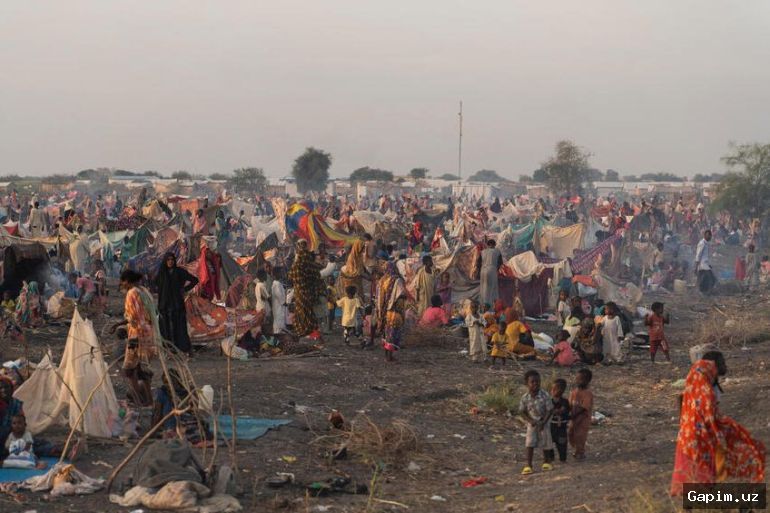
Established in 2004, Zamzam had long served as a crucial sanctuary for generations displaced by the protracted Darfur conflict. However, the escalation of hostilities in recent years trapped civilians in a suffocating siege, severely restricting the flow of goods and plunging the population into a man-made famine that was officially documented by humanitarian monitors.
According to a United Nations Human Rights Office report, a brutal three-day offensive against the camp resulted in the deaths of over a thousand civilians, including hundreds summarily executed in homes, clinics, and mosques. Survivors recounted harrowing conditions during the blockade, noting that residents were reduced to boiling grass and mixing mud with flour to survive before the final military collapse.
The violence subsequently engulfed nearby displacement sites such as the Abu Shouk camp and the city of el-Fasher, culminating in thousands of additional casualties and widespread war crimes. While displaced survivors struggle to rebuild their lives elsewhere, they emphasize that bearing witness to the atrocities remains a vital duty to ensure the world does not forget the tragedy of Darfur.
Source: www.aljazeera.com