In Gaza City's Sheikh Radwan neighborhood, 74-year-old Zuhair al-Nasr walks through the streets carrying two water containers, searching for a place to fill them. He is uncertain where he will find drinking water for his family.
For the past week, he says, he has barely managed to fill the containers. The water he obtains comes from a groundwater well, not the desalinated water he once relied on.
Just weeks ago, Zuhair did not have to search like this. A newly built desalination plant near his tent had brought clean drinking water to the area, with pipes connected to provide around-the-clock access.
For about two months, the plant made life during Israel's genocidal war on Gaza slightly more bearable, Zuhair explains. He lives with his large family – 13 children and over 20 grandchildren – in a tent because his home in Beit Hanoon was destroyed by Israel during the conflict.
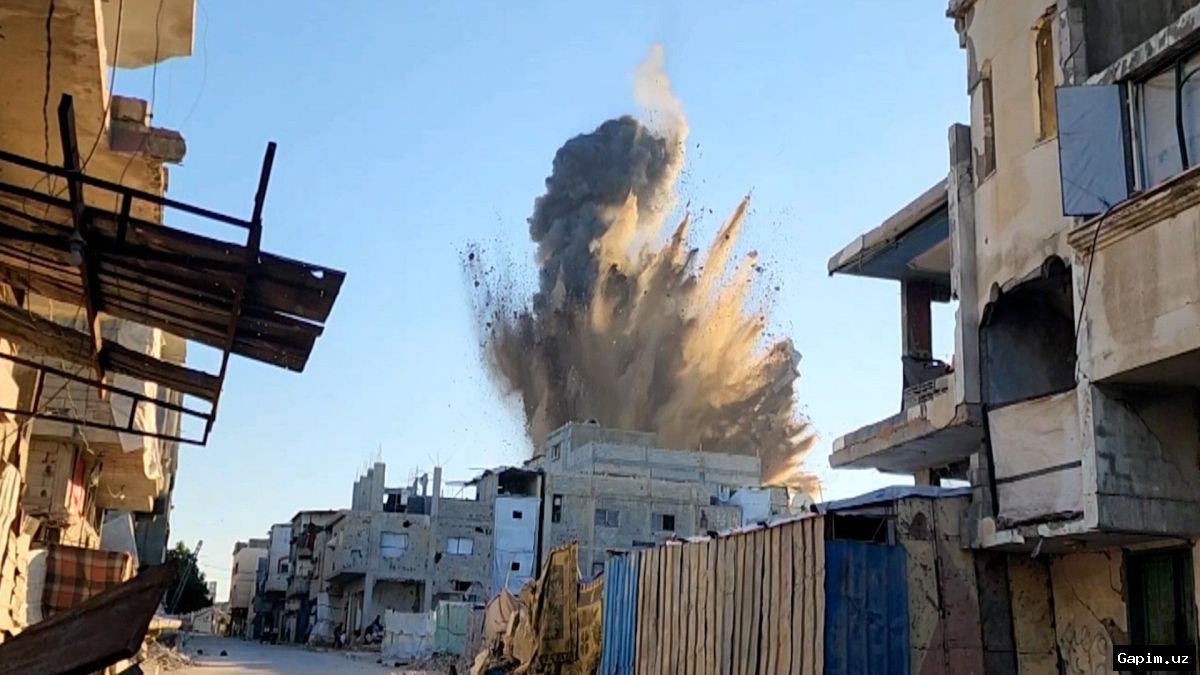
But on August 24, Israel bombed the desalination plant, continuing to violate the October ceasefire agreement. The strike destroyed the facility and damaged nearby displacement tents and residential structures.
“We were comfortable,” Zuhair says. “We're suffering now. Water is the lifeline of our life. For drinking, cooking, washing and bathing.”
The plant's owner, 53-year-old Mohammed Mahmoud, says the facility had been operating for only two months and was the sole desalination plant serving much of Sheikh Radwan, providing free water to 17 shelters and collective centers. He estimates his losses at no less than $500,000.
The destruction comes as Gaza's wider water crisis deepens. A UN-cited survey found that 90% of Gaza's population experienced frequent disruptions in access to safe water in early July, with the figure reaching 92% in Gaza City.
For families in northern Gaza, losing another local source means greater dependence on a struggling system. Nada Arouqi, a 36-year-old mother of four, says water trucks often reach her neighborhood only two days a week, sometimes not at all for an entire week.
The shortage has also raised health concerns. Nada says one of her children developed a stomach illness and spent several days in hospital, with doctors attributing it to the water.
Maryam Arouqi, 60, describes the physical toll: “I have to carry water. My body and bones are collapsing because of this.” She suffers from tendon injuries, hand problems, chest pain, and high blood pressure.
“Our struggle for water never ends. Who can live without water? Water is life,” she says.
Source: www.aljazeera.com